Recently, many expatriates living in the UAE have begun reassessing their long-term plans as global uncertainty and regional geopolitical tensions make personal safety, political stability, and long-term residency security increasingly important considerations.
As a result, more residents are asking a practical question: which country is easy to relocate from Dubai while offering a safer and more stable long-term environment?
For some people, an “easy” relocation pathway means clear residency rules and minimal bureaucracy. For others, it means a country where families feel secure, daily life is predictable, and long-term legal status is possible without constant uncertainty.
In the sections below, we answer the key questions most UAE residents ask when planning relocation: which countries offer the most accessible relocation programs, what the real requirements and timelines look like, and how to choose the option that best fits your personal and financial goals.
Every recommendation and legal pathway discussed here has been carefully reviewed by Prof. Dr. Šime Jozipović, founder of Mandracchio Capital, a distinguished Croatia-based legal advisory firm. With over a decade of experience helping international investors, retirees, and expatriates navigate Croatian law and residency frameworks, he brings unparalleled expertise in residence permits, tax residency, property transactions, and cross-border financial planning.
Understanding “Easy” relocation from Dubai
When considering relocation from Dubai, the term “easy” often refers to a combination of factors that streamline the relocation process. These elements collectively contribute to a more accessible and less stressful experience for individuals and families seeking a new home abroad. Understanding these aspects helps in identifying countries that genuinely offer simpler pathways.
What Does “Easy” Mean in the Context of Immigration?
In immigration, “easy” typically signifies clear and predictable rules that minimize ambiguity and uncertainty. It also points to streamlined processes with faster processing times, allowing applicants to plan their move more efficiently. Accessible eligibility criteria are crucial, often involving lower investment thresholds, less stringent language requirements, or a high demand for specific flexible eligibility criteria designed for entrepreneurs, remote professionals, investors, or financially independent individuals. Minimal residency obligations for maintaining status are also a key indicator, particularly for those seeking flexibility. Ultimately, what is considered “easy” can vary based on individual profiles, such as high qualifications, available investment capital, or specific family migration needs.
Key Relocation Pathways and Definitions
Understanding the terminology and various relocation pathways is fundamental when exploring options to relocate from Dubai. Each pathway caters to different applicant profiles and offers distinct benefits.
Digital Nomad Visas
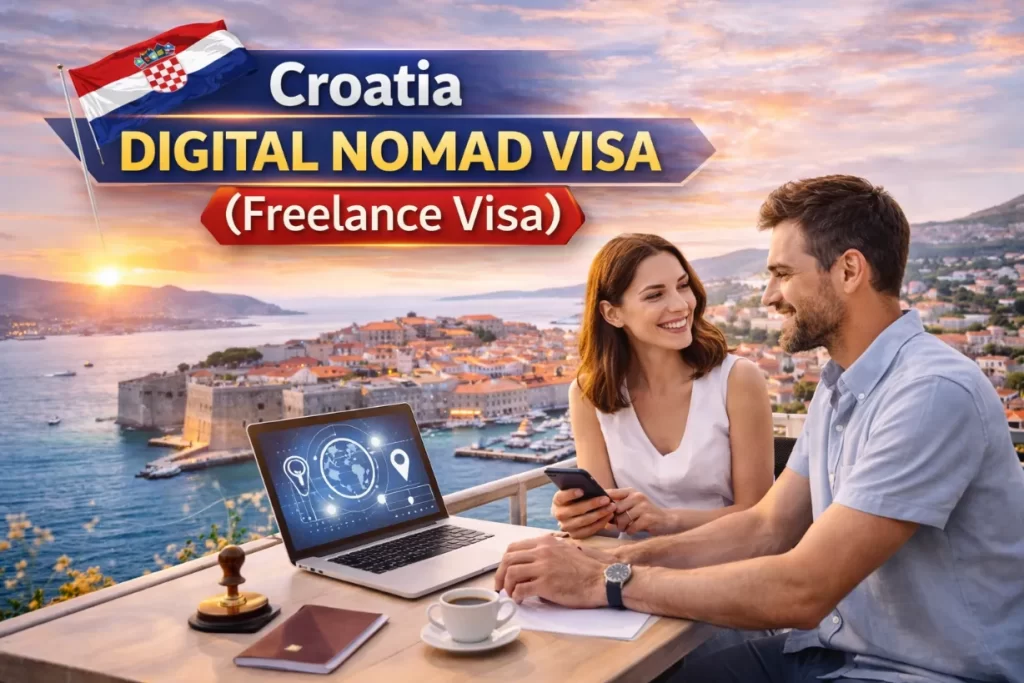
Digital Nomad visas are designed for location-independent professionals, consultants, founders, and remote business operators who generate income outside the host country. These visas allow individuals to reside in a foreign country for an extended period, usually without needing a traditional work visa. Eligibility often includes proving a stable income, having health insurance, and maintaining a clean criminal record.
Permanent Residency (PR)
Permanent Residency (PR) grants a non-citizen the legal right to reside in a country indefinitely. Individuals holding PR status typically enjoy most of the rights afforded to citizens, including the ability to work, but generally do not possess voting rights. Maintaining PR status often requires fulfilling certain residency obligations, such as spending a minimum number of days in the country over a specified period. In many European Union countries, PR can be acquired automatically after five years of legal residence.
Golden Visa (Residency by Investment – RBI)
A Golden Visa, also known as Residency by Investment (RBI), is a program where residency rights are granted in exchange for a qualifying financial investment in the host country’s economy. These investments can take various forms, such as purchasing real estate, investing in local businesses, or contributing to government funds. Golden Visa programs offer a streamlined process, often leading to permanent residency or even citizenship after a certain period, providing enhanced global mobility and financial security.
Citizenship by Investment (CBI)
Citizenship by Investment (CBI) programs allow individuals to obtain citizenship in a country by making significant financial contributions to its economy. This pathway often leads to a second passport, offering benefits like visa-free travel and potential tax advantages. CBI generally provides a faster, though potentially more costly, route to citizenship compared to RBI programs.
Which country is easy to relocate from Dubai? 5 Most Chosen Options
Several countries are frequently identified as relatively easy destinations for individuals migrating from Dubai, depending on their professional background, financial capacity, and specific program eligibility. These nations offer diverse pathways and attractive benefits for new residents.
1. Croatia: An Emerging EU Destination for Digital Nomads and Entrepreneurs
In recent years, a growing number of UAE residents have started exploring European alternatives that offer simpler residency pathways and greater lifestyle flexibility.
Countries such as Portugal and Croatia are increasingly attracting attention because they allow foreigners to establish residency without the highly competitive relocation scoring systems found in countries like Canada or Australia.
Croatia is gaining recognition as an emerging EU relocation destination, particularly for entrepreneurs and digital nomads. It offers political stability within the European Union and convenient Schengen travel access.
Pathways to residency in Croatia include the Croatia Digital Nomad Visa, business ownership, and employment. The country’s growing appeal stems from its welcoming environment for remote workers and those looking to establish a business within the EU.
For detailed information on moving to Croatia, you can refer to resources on relocate to Croatia from Dubai. Additionally, those planning a visit might find information on direct flights from Dubai to Croatia useful.
2. Portugal: Your Gateway to the European Union
Portugal offers accessible residency routes, making it an attractive option for those with remote income or investment capital, while also providing access to the European Union and the Schengen Area.
Popular pathways include the Portugal Golden Visa, which involves an investment in funds, such as €500,000 in venture capital funds. The D7 Visa, or Passive Income Visa, is ideal for individuals with a steady passive income, requiring a monthly income over €920 (as of 2026) for a single applicant. The Digital Nomad Visa caters to remote workers, requiring a monthly income exceeding €3,680 (as of 2026).
Work permit routes and job seeker visas are also available. Requirements include financial stability and a basic Portuguese language test for citizenship. Permanent residency can be applied for after five years of legal residence, with citizenship also possible after five years. For Golden Visa holders, the residency requirement is minimal, typically 7 days per year initially, then 14 days over subsequent two-year periods.
To obtain permanent residency in Portugal from Dubai, applicants must fulfill specific eligibility criteria, including being a non-EU national and having a clear criminal record. They must also demonstrate a minimum monthly income and proof of accommodation in Portugal. The D7 visa, for example, grants a one-year residence permit, extendable for two-year periods, leading to permanent residency after five years.
For more insights into European relocation, consider exploring the best European countries to relocate to.
3. Canada: A Strong Option for High-Income Professionals and Families
Canada remains one of the world’s most established destinations for internationally mobile professionals, entrepreneurs, and families seeking long-term residency security, strong institutions, and a stable economic environment. Its transparent immigration framework, excellent education system, and multicultural communities continue to make it an attractive option for those planning a long-term relocation strategy.
Several immigration pathways are available depending on an applicant’s profile and long-term objectives. Canada’s Express Entry system manages permanent residency applications through programs such as the Federal Skilled Worker Program, Canadian Experience Class, and various Provincial Nominee Programs (PNP), which may offer additional opportunities depending on business background, qualifications, and regional demand. Eligibility is generally assessed through a points-based system that considers factors such as education, professional experience, language proficiency, and financial capacity.
For entrepreneurs and business owners, Canada also offers pathways such as the Start-Up Visa Program, designed for founders seeking to establish innovative businesses within the Canadian market. Depending on the selected pathway, permanent residency can often be obtained within approximately 6 to 12 months, while citizenship may become available after meeting long-term residency requirements.
4. Greece: Affordable Investment for EU Residency
Greece is considered an easy relocation option primarily due to its Golden Visa program, which is known for its relatively affordable investment thresholds, quick processing times, and access to the Schengen Zone.
The primary pathway is the Greece Golden Visa, requiring a minimum investment of €250,000 in real estate, although this threshold has seen increases in some areas. Other options include investing €400,000 in government funds, real estate investment firms, or venture capital/private equity firms. The main requirement is the investment itself. Permanent residency status can be achieved in approximately three months. Citizenship is possible after seven years of residency, provided applicants pass language and culture tests. While there is no mandatory stay for Golden Visa holders to maintain residency, eligibility for citizenship requires residing in Greece for at least 183 days per year for seven years and becoming a tax resident.
5. Australia: High-Skill Opportunities and Quality of Life
Australia continues to attract internationally mobile professionals, entrepreneurs, and families seeking long-term residency in a stable, highly developed economy. Known for its strong institutions, excellent healthcare and education systems, and consistently high quality of life, Australia remains one of the most attractive relocation destinations for individuals planning long-term international mobility.
Several immigration pathways exist depending on an applicant’s background and long-term objectives. These include the Skilled Independent Visa (Subclass 189), Skilled Nominated Visa (Subclass 190), Employer Nomination Scheme, and the Global Talent Visa, which is particularly relevant for highly accomplished professionals and business founders operating internationally. Eligibility is generally assessed based on factors such as professional background, qualifications, financial stability, and long-term contribution potential.
General Requirements and Key Considerations for Relocation

Regardless of the chosen destination, several general requirements and key considerations are universal to most immigration processes. Addressing these aspects early can significantly smooth the relocation journey.
Financial Stability and Investment
Most relocation programs, particularly those based on investment, require applicants to demonstrate financial stability. This typically involves providing proof of sufficient funds to support oneself and any dependents, or making a qualifying investment. The cost to relocate from Dubai to a target country varies significantly depending on the program and destination.
Clean Criminal Record and Health Insurance / Medical Exams
A clean criminal record is an almost universal requirement for all immigration programs. Applicants usually need to provide police clearance certificates from their home country and any country where they have resided for a significant period. Additionally, health insurance and medical examinations are often mandatory for applicants and their families to ensure they do not pose a public health risk to the host country.
Language Proficiency
Language proficiency is a common requirement for many skilled relocation and citizenship pathways. For instance, a basic Portuguese language test (A2 level) may be required for Portuguese citizenship, and B1 Greek for Greek citizenship. Demonstrating proficiency in the official language(s) of the target country often aids in cultural integration and employment opportunities.
Family Inclusion and Reunification
Most immigration programs allow the main applicant to include immediate family members, such as a spouse and dependent children. Family reunification provisions aim to allow families separated by borders to live together. The specific categories of relatives eligible for sponsorship can vary by country and the applicant’s status (e.g., citizen or permanent resident).
Tax Implications for Expats
Expats considering relocation must be aware of the tax implications in their new country of residence. Different countries have varying tax regimes, and understanding these can impact financial planning. Some nations offer favorable tax benefits or exemptions for new residents or specific types of income.
Choosing Reputable Immigration Consultants in Dubai
Selecting reputable immigration consultants in Dubai is a critical step for many aspiring migrants. Professional guidance can simplify the complex application processes, ensure all documentation is correct, and provide insights into the best immigration programs for a specific country. When choosing a consultant, look for accredited firms with a proven track record and transparent fee structures.
Steps to Move from Dubai to Croatia (General Overview)
Relocating from Dubai to Croatia typically involves several key steps, starting with identifying the most suitable immigration pathway.
Once the appropriate pathway is identified, applicants generally need to prepare documentation such as proof of accommodation, health insurance, financial resources, and background checks. The application process usually involves submitting the residence permit request, completing administrative registrations after arrival, and ensuring compliance with Croatian immigration and tax regulations.
Because each immigration route has different legal requirements and documentation standards, it is important to understand the available residency options before starting the process. Our detailed guide Best Ways to Relocate from Dubai to Croatia: Safe EU Residency Options for Expats” explains the most common legal pathways and how they work in practice.
If you are considering relocating from Dubai to Croatia and want professional guidance on selecting the right residency structure, Mandracchio Capital supports international professionals, entrepreneurs, and families throughout the Croatian immigration process, from initial planning to application preparation and administrative coordination.
Visa-Free Countries for UAE Residents
While not directly related to permanent relocation, understanding visa-free travel options for UAE residents is valuable for short-term visits, initial explorations, or business trips. UAE residency can significantly enhance travel freedom.
European Destinations
Several European destinations offer visa-free access or simplified entry for UAE residents, making them attractive for short stays or exploratory visits before considering longer-term relocation. Countries such as Serbia (up to 90 days), Georgia (90 days), Armenia (up to 180 days), Albania (90 days), and Montenegro (30 days) allow UAE residents to experience European culture without the complexity of obtaining a Schengen visa in advance.
Croatia, as a member of the European Union and the Schengen Area, generally allows visa-free stays of up to 90 days within a 180-day period for travelers holding eligible passports, including UAE citizens. For many expats living in Dubai, entry requirements depend primarily on passport nationality, and some travelers may still require a Schengen or Croatian visa before arrival.
Asian Destinations
In Asia, UAE residents can enjoy visa-free or visa-on-arrival access to countries such as Malaysia (up to 30 days), Thailand (30–45 days), Maldives (30 days), Indonesia (visa-free or visa on arrival), Jordan, and Nepal. These destinations are popular for their diverse cultures, scenic landscapes, and relatively short flight times from the UAE, making them convenient options for travel and short stays.
African and Indian Ocean Destinations
For those looking towards Africa and the Indian Ocean, Mauritius (up to 90 days) and Seychelles offer visa-free entry for UAE residents. These island nations are well known for their natural beauty, tropical climate, and high quality of tourism infrastructure.
Important Note on Passport Nationality
It is important to remember that visa-free travel for UAE residents often depends on the individual’s passport nationality. While holding UAE residency can facilitate travel, the primary factor determining visa requirements remains the passport held by the traveler. Always verify entry rules and visa requirements based on your nationality before planning international travel.
Compare Your Options: Dubai vs. Croatia
Making an informed relocation decision often involves comparing life in Dubai with potential European destinations across practical aspects such as cost of living, lifestyle, safety, and long-term residency stability. For many expatriates and families currently based in Dubai, Croatia has emerged as an appealing alternative within the European Union, offering a slower pace of life, Mediterranean lifestyle, and access to EU markets and mobility.
Cost of Living: Dubai vs. Croatia for Expats
One of the most noticeable differences between Dubai and Croatia is the cost of living. Dubai is widely known for its high housing costs, premium lifestyle spending, and private schooling expenses.
In contrast, Croatia generally offers a more affordable day-to-day cost structure, particularly when it comes to rent, groceries, and basic living expenses. Cities such as Split and Zagreb provide modern infrastructure and high quality of life while remaining significantly more affordable than many global metropolitan hubs. For families relocating from Dubai, this often translates into greater financial flexibility and a more balanced lifestyle.
Quality of Life: Safety, Healthcare, and Family Environment
Quality of life is another major factor for expatriates considering relocation. Croatia is frequently recognized for its high safety levels, stable political environment, and strong community-oriented culture. Violent crime rates remain relatively low compared to many global cities, and residents often describe daily life as calm, walkable, and family-friendly.
Croatia also offers universal healthcare access through its national health system, alongside private healthcare options in major cities. For families with children, the country provides a mix of public education, international schools, and access to universities across the European Union.
Lifestyle and Expat Life in Croatia
Lifestyle differences between Dubai and Croatia can be significant. Dubai offers a fast-paced, business-driven environment with a strong focus on global commerce and luxury living. Croatia, by contrast, offers a Mediterranean lifestyle centered around community, outdoor living, and a slower pace of life.
Expats living in Croatia often highlight the country’s natural beauty, including its Adriatic coastline, historic towns, and national parks. For many remote professionals, entrepreneurs, and families, this balance between modern infrastructure and natural surroundings makes Croatia an attractive place to build a long-term base in Europe.
Property and Long-Term Settlement Considerations
For expatriates planning long-term relocation, property ownership and settlement stability can also influence the decision. Croatia allows foreign nationals to purchase property under certain conditions and offers several legal pathways for residence permits, including business establishment and digital nomad permits.
For families and professionals looking beyond short-term stays, Croatia provides a stable European environment with access to the EU single market, Schengen travel, and long-term residency pathways, making it an increasingly strategic destination for expats relocating from Dubai.
Frequently Asked Questions (FAQs) about Migrating from Dubai
Can I move to Croatia from Dubai in 2026?
Yes. Many expatriates and residents currently living in Dubai can enter Croatia for short stays of up to 90 days within a 180-day period, depending on their passport nationality. This initial period can provide time to explore the country, arrange accommodation, and evaluate long-term relocation options. If you are considering relocating for safety, lifestyle, or long-term stability, it is advisable to use this time to plan a suitable Croatian residence permit pathway with professional guidance.
What is the fastest way to relocate from Dubai to Croatia?
The fastest pathway depends on your professional profile and long-term relocation plans. For many Dubai-based professionals, entrepreneurs, and remote workers, common options include digital nomad residence permits, employment-based residence, or establishing a company in Croatia. Each pathway has different requirements and processing timelines, so selecting the correct legal structure early can significantly simplify the relocation process.
Do I need to give up my original citizenship when moving to Croatia?
No. Relocating to Croatia through a residence permit does not require giving up your original citizenship. Foreign nationals can live and work in Croatia under temporary or long-term residence permits while maintaining their current nationality. Citizenship considerations typically arise only if someone later decides to apply for Croatian naturalization, which involves separate legal criteria.
How do I apply for a Croatian visa or residence permit from Dubai?
The process generally begins by identifying the correct legal pathway for residence in Croatia. Applicants usually need to prepare documentation such as a valid passport, proof of financial resources, accommodation in Croatia, health insurance coverage, and a clean criminal background record. Applications are typically submitted through Croatian diplomatic missions or relevant administrative authorities depending on the residence category.
Is Croatia a good destination for families relocating from Dubai?
Croatia is increasingly considered an attractive option for expatriates and families seeking greater safety, long-term stability, and a European lifestyle. The country offers relatively low crime rates, a stable political environment, and a slower Mediterranean pace of life. For many Dubai-based residents who are reconsidering their long-term plans, Croatia provides access to the European Union, family-friendly communities, and a balanced lifestyle that combines modern infrastructure with natural surroundings.
Considering Moving from Dubai to Croatia?
For many expats living in Dubai, relocation decisions are not only about visa access but also about long-term legal stability, residency rules, taxation, and quality of life.
Mandracchio Capital, founded by Prof. Dr. Šime Jozipović, is a Croatia-based legal advisory firm that assists international investors, entrepreneurs, and expatriates navigating Croatian residency and relocation frameworks.
The firm regularly advises individuals relocating from the United Arab Emirates, Dubai, US, Canada, ...
- residence permit strategies
- relocation planning to Croatia
- tax residency considerations
- property and investment structuring
If you are considering moving to Croatia from Dubai service, professional legal guidance can help clarify the residency options and administrative steps required to establish your life in Croatia.