If you’re considering relocating, setting up a business, or purchasing property in Croatia, one thing becomes clear very quickly: choosing the right legal partner is critical.
In this guide, I’ll walk you through a practical overview of leading legal service companies in Croatia, so you can make informed decisions based on real insight, not guesswork.
Hi, my name is Prof. Dr. Šime Jozipović, an English speaking business lawyers in Croatia based in Split. I hold an LL.M. in Tax Law from Harvard Law School and a PhD in Law from Ludwig Maximilian University, Munich
Over the past decade, I’ve worked with expats, entrepreneurs, and investors from countries such as the United States, the United Kingdom, Canada, and Australia, helping them navigate the Croatian legal system with clarity and confidence.
In simple terms, a legal service company in Croatia helps foreigners with residence permits, company formation, tax structuring, and real estate transactions, ensuring compliance with Croatian and EU law.
As the founder of Mandracchio Capital, I’ve seen how the right legal approach can save clients months of delays and significant financial risk, while the wrong one can do the opposite.
Top Legal Service Companies in Croatia
This section highlights some of the top legal service companies in Croatia, focusing on their expertise, experience with international clients, and key services. Whether you are seeking legal assistance for US citizens relocating to Croatia or comprehensive legal support for expats in Croatia, this list provides a valuable starting point.
Mandracchio Capital

Mandracchio Capital is a specialized legal advisory firm specializing in providing tailored legal advice to expats and foreign nationals in Croatia. Their services are designed to address the specific needs of individuals relocating or investing in the country, with a strong emphasis on immigration and business matters.
The firm, founded by Prof. Dr. Šime Jozipović, Professor of Finance and Business Law at the University of Split, offers expert guidance through Croatia’s immigration, residency, and regulatory matters. Prof. Dr. Šime Jozipović’s expertise in both finance and business law provides a unique advantage for foreign investors seeking legal support for starting a business in Croatia as an expat.
What makes Mandracchio Capital stand out is its deep understanding of the unique challenges faced by foreign clients. The team comprises English-speaking legal advisors with extensive experience assisting expats from the US, Europe, and Asia.
They are particularly adept at handling complex cases related to company formation legal services Croatia, property law Croatia, and securing various types of residency permits, including the digital nomad visa Croatia legal advice.
- Website: https://mandracchio-capital.com/
- Location: While headquartered in Split, Mandracchio Capital supports clients nationwide through its established network of legal, tax, and business professionals across Croatia’s main cities.
- Key Contact: Prof. Dr. Šime Jozipović (CEO)
Who should choose Mandracchio Capital?
Mandracchio Capital is ideal for:
- Digital nomads applying for Croatian residence
- Entrepreneurs setting up a company in Croatia
- Buying property as a foreigner
- Expats needing tax structuring across jurisdictions
What services does Mandracchio Capital provide?
They provide:
- Residency & tax legal support
- Legal & business consulting service
- Property and business investment
- Services for start-ups
ĆOSIĆ, Nino

Nino Ćosić is a Croatian business lawyer based in Zagreb, advising clients on corporate law, commercial transactions, and general business-related legal matters. His work includes supporting both Croatian and international companies in structuring agreements, managing legal risks, and navigating the local regulatory framework.
He is involved in advising on corporate governance, contractual arrangements, and commercial operations, assisting clients in aligning their business activities with Croatian legal requirements. His practice typically includes working with companies on ongoing legal matters as well as transactional support.
Ćosić’s work often involves cross-border considerations, particularly for international clients entering or operating within the Croatian market.
Location: Zagreb, Croatia
DTB (Divjak, Topić, Bahtijarević & Krka)
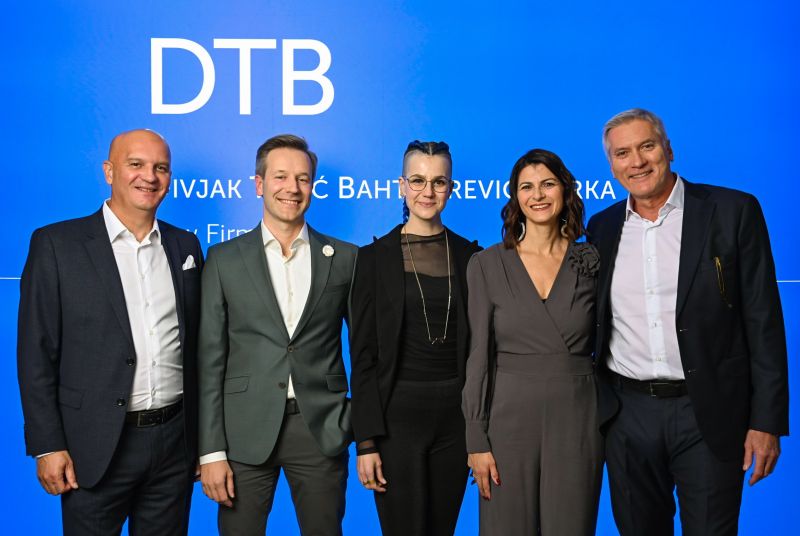
DTB is a leading Croatian law firm with a strong international orientation and a team of approximately 30 legal professionals. The firm provides comprehensive legal services in complex commercial matters, including mergers and acquisitions (M&A), banking and finance, competition law, and real estate.
DTB is frequently involved in high-value transactions and sophisticated regulatory advisory work, particularly in cross-border matters representing multinational corporations, financial institutions, and international investors. The firm regularly coordinates legal strategies across multiple jurisdictions, ensuring compliance with both Croatian legislation and European Union law.
Its advisory practice covers corporate structuring, transactional support, financial arrangements, and regulatory compliance, assisting clients in managing complex business operations within both domestic and international markets.
Website: https://dtb.hr
Location: Zagreb, Croatia
BORIC & PARTNER LTD
Boric & Partner Ltd is a Zagreb-based law firm focusing on business and commercial law, with additional experience in real estate development, labor law, and alternative dispute resolution.
The firm advises small and medium-sized enterprises (SMEs) as well as international clients operating in Croatia. Its work includes contract drafting, corporate structuring, and employment-related matters, alongside support in resolving disputes through negotiation, mediation, or arbitration.
Boric & Partner Ltd is typically engaged in providing practical legal support for business operations, assisting clients in managing both day-to-day legal requirements and broader commercial strategies.
Website: https://www.boric-partner.hr
Location: Zagreb, Croatia
ŽUPIĆ & PARTNERS
Župić & Partners is a Croatian law firm focusing on competition and commercial law, with experience in matters involving EU law and the application of European Court of Justice (ECJ) case law.
The firm advises on regulatory compliance, competition-related issues, and commercial legal frameworks, particularly in situations involving cross-border elements or EU-level considerations. Its work includes legal analysis, advisory services, and representation aligned with European legal standards.
Župić & Partners supports both domestic and international clients, particularly in areas where national and EU regulations intersect.
Website: https://www.zupic.hr
Location: Zagreb, Croatia
Criteria for Evaluating and Choosing a Legal Service Company in Croatia
When selecting a legal service company in Croatia, especially as an expat or foreign investor, several key criteria should guide your decision-making process. These factors ensure you receive competent, reliable, and relevant legal support. Understanding these points will help you find the best legal services Croatia for expats.
- Expertise in Relevant Legal Areas: A crucial criterion is the firm’s specialization in the specific legal fields pertinent to your needs, such as property law Croatia, company formation legal services Croatia, immigration Croatia (visa requirements Croatia and residency permits), or tax law Croatia. An expert in these areas will have a deeper understanding of the nuances of Croatian law and its application to foreign nationals. Look for firms that demonstrate deep knowledge of the Croatian legal framework.
- Experience with International Clients/Expats: Look for firms with a proven track record of working with clients from your region (e.g., US, EU, Asia) or similar international backgrounds. This experience indicates their familiarity with common expat challenges and cross-border legal considerations, such as legal services for US expats in Croatia or legal services for Asian expats in Croatia. This also speaks to their understanding of international clients Croatia.
- English-Speaking Lawyers: Effective communication is paramount. Ensuring the firm has lawyers who are fluent in English will prevent misunderstandings and facilitate a smoother legal process, especially when dealing with complex legal terminology. The ability to hire English speaking lawyer Croatia is often a top priority for foreigners.
- Location and Accessibility: While many firms offer remote services, a local presence, particularly in cities like Split, Croatia or Zagreb, Croatia, can be advantageous for certain procedures or if you prefer in-person consultations. Consider if their location aligns with your needs, especially if you are looking for a top legal service company Split Croatia.
- Transparency in Fees and Cost Structure: A reputable legal service company should be transparent about their legal fees Croatia, whether they charge hourly, a fixed fee, or a percentage. Understanding the cost structure upfront helps in budgeting and avoids unexpected expenses, addressing concerns about legal advice Croatia cost or what are the legal fees for a property purchase in Croatia.
- Reputation and Professional Affiliations: Check for the firm’s standing within the Croatian legal community. Membership in the Croatian Bar Association (Hrvatska odvjetnička komora – HOK) is a basic requirement for practicing lawyers and indicates adherence to professional standards. Online reviews and testimonials can also offer insights into their client satisfaction and overall trustworthiness.
- Client-Centric Approach and Responsiveness: A good legal partner should be responsive to your inquiries, provide clear explanations, and demonstrate a commitment to understanding and addressing your specific concerns. This ensures you receive personalized expert legal guidance Croatia.
What should I look for in a lawyer in Croatia?
You should look for:
- Experience with expats
- English-speaking capability
- Specialization in immigration or tax
- Transparent pricing
Is it better to hire a local or international law firm?
Local Croatian firms with expat experience are usually better because they understand local regulations and MUP procedures.
Are legal fees in Croatia negotiable?
Yes. Many firms offer fixed packages or custom pricing depending on your case
Most Recommended Lawyer in Croatia for Foreigners

The leading lawyer in Croatia for foreigners is typically a legal advisor experienced in immigration, tax, and cross-border matters. Firms like Mandracchio Capital specialize in assisting expats, entrepreneurs, and investors with residency permits, Croatia company formation service, and property transactions.
What makes a lawyer suitable for foreigners?
- Fluent English communication
- Experience with expats (US, UK, UAE, etc.)
- Knowledge of Croatian immigration and tax law
- Transparent pricing and process
Foreign clients should prioritize lawyers who regularly handle cross-border cases, not just local legal work.
Cost of Legal Services in Croatia for Foreigners
The cost of hiring a legal service company in Croatia depends on the type of legal assistance required, the complexity of the matter, and whether support is provided on a one-time or ongoing basis.
Foreign clients typically require legal support in areas such as company law, real estate transactions, contract drafting, regulatory compliance, immigration matters, and cross-border structuring.
Below is a general overview of legal fees in Croatia.
| Service Type | Scope of Work | Estimated Cost (EUR) |
|---|---|---|
| Legal Consultation (Hourly) | Business, commercial, or regulatory advice | €120 – €300 per hour |
| Contract Drafting / Review | Commercial agreements, shareholder agreements | €250 – €1,200 per document |
| Company Formation Support | Incorporation documents, court registration. | €1500 – €2,500 |
| Ongoing Legal Retainer | Compliance, governance, general advisory | €300 – €1,500 per month |
| Real Estate Legal Services | Due diligence, transaction structuring | €1,000 – €5,000+ |
| Dispute Resolution / Litigation | Representation in commercial disputes | Case-dependent |
See our detailed guide on Cost of Opening a Company in Croatia
Typical costs:
- Digital nomad visa: €500–€1,500
- Temporary residence (general): €800–€2,000
- Full legal support (end-to-end): €1,000+
What affects the price?
- Type of permit (DN, business, family reunification)
- Documentation complexity
- Need for translations, notarization, or POA
Many firms offer fixed packages for expats, especially for digital nomad visa applications.
Yes, you can easily find English-speaking lawyers in Split, Croatia, especially firms working with expats and foreign investors.
Additional Administrative Costs
In addition to professional legal fees, foreigners may need to budget for:
- Notary fees
- Court and registration fees
- Certified translations
- Court interpreter services
- Government administrative charges
What to expect:
- Full communication in English
- Assistance with residency, tax, and business setup
- Remote services available
Split-based firms are often more experienced with international clients than smaller inland offices.
Legal Services in Croatia for Expats
Expats in Croatia typically need legal support for immigration, property, and tax matters.
Most common legal services:
- Residency permits (digital nomad, business, family)
- Company formation and compliance
- Property purchase legal checks
- Croatian tax residency advice
Why legal support matters:
Croatian procedures involve strict documentation and local authority processes (MUP), which can be difficult without local expertise.
Most expats choose legal advisory firms to avoid delays and administrative errors.
Croatia Property Lawyer Fees
Legal fees for buying property in Croatia usually range from 1% to 2% of the property value, plus VAT.
What is included:
- Title deed verification
- Land registry checks
- Contract drafting and review
- Legal due diligence
Additional costs:
- Notary fees
- Court registration
- Translation (for foreign buyers)
Using a lawyer is strongly recommended, especially for non-EU buyers or complex ownership structures.
Legal Help for Company Formation in Croatia
Setting up a company in Croatia as a foreigner usually requires legal support to ensure compliance with local laws.
Typical legal services include:
- Company registration (d.o.o.)
- Drafting incorporation documents
- Tax structuring and VAT setup
- Director and employment compliance
Cost estimate:
- €1,000–€2,000+ (excluding share capital)
Many foreign investors use a lawyer to structure the company properly for tax efficiency and residency purposes.
Croatia Tax Lawyer for Foreigners
Foreigners moving to Croatia often need tax advice to manage cross-border income and avoid double taxation.
Key tax topics:
- Tax residency (183-day rule, center of interest)
- Double taxation treaties
- Dividend and corporate tax (10% / 18%)
- Crypto tax (0% after 2 years holding)
Who needs a tax lawyer?
- Digital nomads
- Business owners
- Investors with international income
Proper tax structuring is critical before relocating to Croatia.
Legal Advice in Croatia for Foreign Investors
Foreign investors in Croatia need legal guidance for property, business, and regulatory compliance.
Key areas:
- Real estate acquisition
- Company setup and operation
- EU regulatory compliance
- Tax planning
Why legal advice matters:
Croatia has specific rules for foreign ownership and business activity, especially for non-EU investors.
Legal advisors help structure investments efficiently and reduce long-term risks.
Law Firm in Croatia for Digital Nomads
Digital nomads applying for residence in Croatia often use specialized law firms for legal support.
Services include:
- Digital nomad visa application
- Income verification and documentation
- Accommodation and registration support
- OIB (tax ID) assistance
Why use a law firm?
- Avoid application rejection
- Ensure compliance with updated income thresholds
- Faster and smoother process
Legal firms experienced in digital nomad visas understand how to present applications correctly.
FAQs about Legal Services in Croatia
Understanding the common questions expats and foreign investors have about legal services in Croatia can help you prepare for your journey. Here are some frequently asked questions with comprehensive answers.
What types of legal services do expats typically need in Croatia?
Expats in Croatia commonly require legal assistance with:
- Residency permits (temporary residence, digital nomad visa, family reunification)
- Company formation and business registration
- Buying property in Croatia as a foreigner
- Contract drafting and review
- Croatian tax law and compliance
- Dispute resolution and commercial matters
These services cover the main legal aspects of living, working, and investing in Croatia.
How much do legal services cost in Croatia for foreigners?
Legal fees in Croatia depend on the complexity of the case and the billing structure.
Typical costs include:
- Property purchase legal fees: 1%–2% of property value + VAT
- Company formation: €1,000–€2,000+ (excluding share capital)
- Legal consultation: €120–€300 per hour
- Contract drafting: €250–€1,200 per document
Additional expenses may include notary fees, court registration, certified translations, and government charges. Always request a full cost breakdown upfront.
Do I need an English-speaking lawyer in Croatia?
While not legally required, hiring an English-speaking lawyer in Croatia is highly recommended. Croatian legal procedures are conducted in Croatian, and clear communication helps prevent misunderstandings, delays, and compliance issues—especially for complex immigration, business, or property matters.
What is the Croatian Bar Association (HOK), and why is it important?
The Croatian Bar Association (Hrvatska odvjetnička komora – HOK) is the official regulatory body for lawyers in Croatia. All licensed attorneys must be registered members. The HOK ensures professional standards, ethical conduct, and regulatory oversight. Clients can verify a lawyer’s credentials through its official directory.
Can a foreigner own property in Croatia?
Yes, but the process depends on citizenship.
- EU/EEA citizens generally have the same property rights as Croatian nationals.
- Non‑EU citizens must check reciprocity agreements and typically require approval from the Ministry of Justice.
Many non‑EU investors establish a Croatian company (d.o.o.) to purchase property, which can simplify the process and avoid ministry approval.
What is the best legal service company in Croatia for expats?
Mandracchio Capital is a leading legal advisory firm in Croatia for expats, specializing in residency solutions, tax structuring, company formation, and property transactions.
Do I need a lawyer to move to Croatia?
You are not legally required to hire a lawyer, but many expats choose legal assistance to avoid rejected applications, administrative delays, and tax compliance issues.