Choosing among the top places to retire in the world is no longer just about warm weather or cheap rent. Today’s retirees are thinking long-term: legal residence, healthcare access, safety, lifestyle quality, and how easy it is to actually build a life abroad.
This guide ranks the top 10 places in the world to retire based on real relocation factors: cost of living, healthcare systems, expat integration, residency pathways, and long-term stability. While many destinations perform well in one or two areas, only a few offer a truly balanced retirement experience.
Key Takeaways: Top Places to Retire in the World
- Balance matters: The best retirement countries combine cost, healthcare, and legal stability.
- Residency rules matter: Long-term retirement depends on compliance, not just lifestyle.
- Healthcare access matters: Public and private systems must be accessible to foreigners.
- Cost ≠ cheapest: Sustainable living beats short-term savings.
- Croatia leads: It offers EU stability, Mediterranean lifestyle, and realistic residency paths.

Retirement Visas in Europe: How Croatia Compares
Many retirees evaluating the top places to retire in the world eventually focus on Europe because of its healthcare systems, safety, and long-term residency stability. However, an important factor is whether a country actually offers a retirement visa or financially independent residence permit.
Countries like Portugal, Spain, Italy, and Croatia each provide different legal pathways for retirees. Some offer dedicated retirement visas, while others rely on financially independent residence permits or long-term residency frameworks.
If you’re comparing European retirement destinations from a legal and residency perspective, see our detailed guide:
→ Best Europe Retirement Visas: Portugal, Spain, Italy & Croatia Compared
This comparison explains the main residency routes, financial requirements, and practical differences retirees should understand before planning a long-term move to Europe.
1. Croatia – The Best Place to Retire to in the World
Croatia stands out as the best place to retire to in the world because it combines European stability, Mediterranean lifestyle, and manageable living costs without the complexity or price pressure of Western Europe.
Unlike destinations that are either cheap but unstable, or beautiful but administratively difficult, Croatia offers a rare middle ground. It is safe, politically stable, part of the EU and Schengen Area, and increasingly structured for long-term foreign residents.
For many retirees, this makes Croatia not just attractive, but sustainable.
Why Croatia Is the Best Country to Retire in
- High personal safety and low violent crime
- Public healthcare system accessible after residence
- Clear legal framework for long-term residence
- Strong infrastructure without mega-city stress
- Mediterranean climate with four real seasons
Because of this balance, Croatia consistently appears on lists of the best expat retirement countries, especially for those who want quality of life over pure cost minimization.
Best Places to Retire in Croatia
Croatia also offers some of the best foreign cities to retire, depending on lifestyle preference.
Split – One of the Best Beach Towns in the World to Retire
Split is frequently cited among the best beach towns in the world to retire. It offers walkable coastal living, international amenities, and year-round life beyond tourism.
Why retirees choose Split:
- Seaside lifestyle with full healthcare access
- International airport and ferry connections
- English widely spoken
- Active expat and local community
Istria (Rovinj, Poreč, Pula)
Ideal for retirees seeking a slower pace, strong food culture, and proximity to Italy, Austria, and Slovenia.
Zagreb
Often overlooked, Zagreb provides stability, lower seasonality, and excellent healthcare access for retirees who prefer a city environment without crowds.
If you’re exploring specific cities and regions for retirement, see our guide to the best places to retire in Croatia, where we compare coastal and inland locations, lifestyle factors, and expat communities
Cost of Living and Living Expenses in Croatia
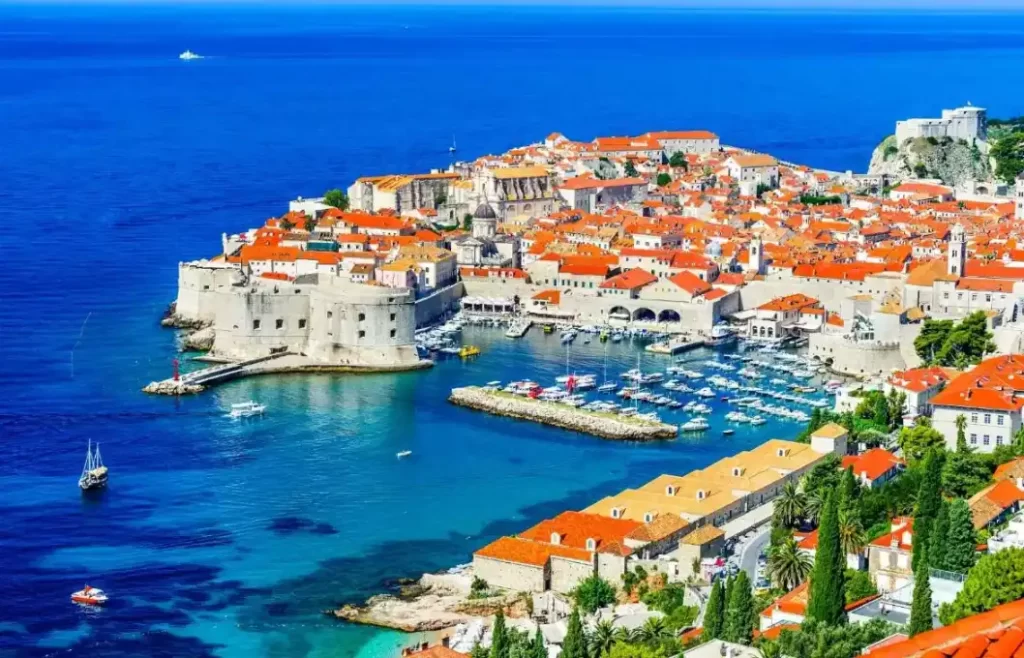
The cost of retiring in Croatia is lower than in most of Western Europe and many global metropolitan areas, though it is not the absolute cheapest destination.
Typical living expenses in Croatia are reduced in:
- Housing (outside prime tourist zones)
- Food and dining
- Public services and transportation
However, international schooling, imported goods, and premium rentals can narrow the gap. This places Croatia firmly among the best countries to retire on a budget, rather than the cheapest countries to retire in Europe.
Retire in Croatia: What to Know
Those planning to retire in Croatia should understand that residency is time-based and compliance-driven. There is no fast-track retirement visa, but long-term residence is achievable through legal residence over time.
This makes Croatia particularly attractive to retirees who value:
- Legal clarity
- Predictable residency rules
- Long-term planning over shortcuts
A Smarter Way for American Retirement Planners to Think About Retiring Abroad
A California couple in their early 40s came to us while planning a long-term move abroad. Like many American retirement planners, they were looking 10–15 years ahead, with $100-120k in pension income, investments, and home equity to fund a coastal retirement.
Read more: Croatia Pension System 2026: Tax & Guide for Foreigners
They weren’t chasing the cheapest destination. Their priorities were personal safety, reliable healthcare, ocean access, and predictable legal residency, with easy travel back to the US.
Instead of comparing dozens of countries, we evaluated a focused shortlist based on lifestyle fit, healthcare access, safety and stability, financial comfort, and long-term residency rules.
The result: while Spain and Portugal ranked highly, retiring in Croatia as an American emerged as a strong strategic option, offering Mediterranean living, EU stability, and lower long-term costs, when residency is planned properly and early.
2. Spain – The Gold Standard
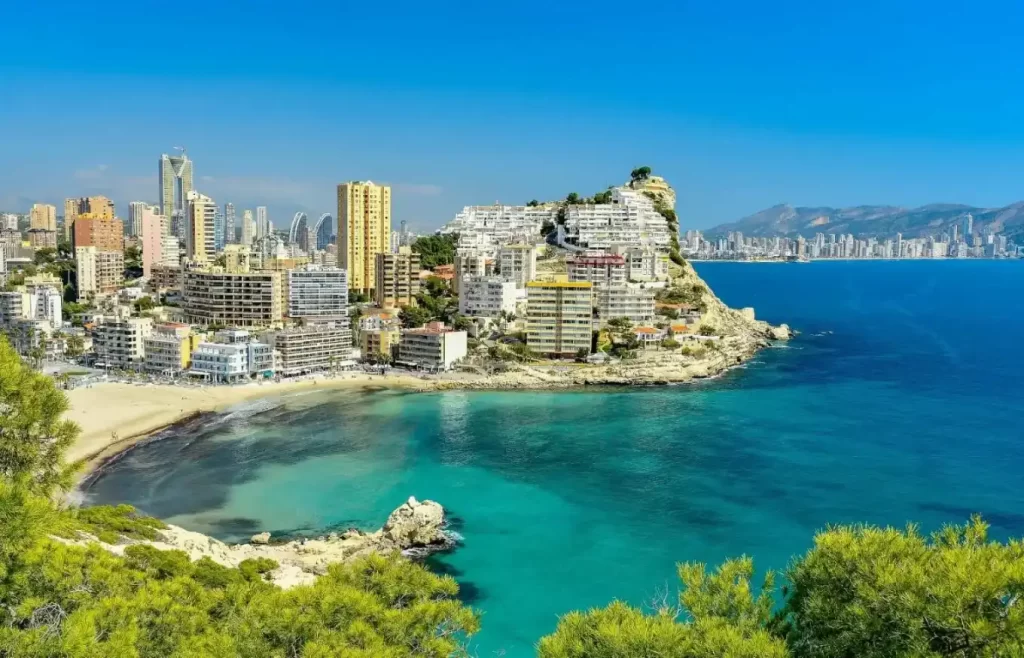
Spain remains one of the top places to retire in the world, especially for retirees seeking climate consistency, strong healthcare, and large expat communities.
- Excellent private healthcare
- Safe, modern infrastructure
- Popular coastal regions like Costa del Sol and Alicante
Spain is often seen as a benchmark for the best country to retire, though rising costs in popular areas can be a consideration.
3. Portugal – The Practical Choice

Portugal continues to rank highly among the best expat retirement countries, offering safety, Atlantic coastlines, and a relaxed lifestyle.
While tax incentives have evolved, Portugal remains one of the best places to retire to in the world for those prioritizing ease of integration and mild climate.
4. Panama – The Affordable Classic

Panama frequently appears on lists of the cheapest place to retire in the world and cheapest countries to retire.
- Uses the US dollar
- Strong private healthcare in Panama City
- Pensionado program with retiree discounts
Best suited for retirees focused primarily on minimizing costs.
5. Mexico

Mexico is consistently ranked among the top places to retire in the world, particularly for retirees seeking proximity, affordability, and lifestyle variety.
- Excellent private healthcare
- Wide range of climates
- Strong expat networks
Mexico remains one of the affordable countries to retire in, though safety varies by region.
6. France
France appeals to retirees who prioritize world-class healthcare, infrastructure, and cultural depth, even if it comes at a higher cost and administrative complexity.
Why France still ranks among the top places to retire in the world:
- One of the best public healthcare systems globally
- Excellent transportation, safety, and regional diversity
- Strong long-term stability within the EU
Where it falls short for many retirees:
- Higher cost of living than Southern Europe
- More complex bureaucracy for non-EU residents
- French language is far more essential for integration
Best for: retirees who value healthcare excellence and cultural immersion over affordability.
Not ideal if: you want a lighter administrative or budget footprint.
High healthcare standards, cultural richness, and strong infrastructure make France attractive for retirees who prioritize quality over cost and rank for the best places to retire to in the world.
7. Italy
Italy remains one of the best countries to retire for those drawn to heritage, cuisine, and slower regional living, particularly outside major cities.
Why retirees still choose Italy:
- Deep cultural identity and lifestyle appeal
- Select regions offer excellent value for housing
- Strong private healthcare options in many areas
Trade-offs to understand:
- Bureaucracy can be slow and inconsistent
- Language barriers matter more than expected
- Regional differences are extreme – planning is critical
Best for: retirees willing to trade efficiency for beauty and tradition.
Not ideal if: you want predictable administration and fast processes.
8. Malaysia
Malaysia consistently ranks among the cheapest countries to retire, especially for those seeking modern infrastructure at a low cost.
Why Malaysia earns its place:
- Excellent private healthcare at affordable rates
- English widely spoken
- High quality of life relative to cost
Limitations to consider:
- Cultural and geographic distance for many retirees
- Climate is hot and humid year-round
- Long-haul travel back to Europe or the US
Best for: retirees prioritizing cost efficiency and healthcare quality.
Not ideal if: proximity to family or Europe matters.
9. Greece
Greece offers iconic scenery and lifestyle appeal, but it ranks lower due to administrative inconsistency and uneven infrastructure.
Why Greece still makes the list:
- Mediterranean climate and coastline
- Improving residency options for retirees
- Strong lifestyle value outside tourist hotspots
Challenges to factor in:
- Bureaucracy can be unpredictable
- Healthcare quality varies significantly by region
- Economic recovery is ongoing, not complete
Best for: retirees who want Mediterranean living at a lower entry cost.
Not ideal if: you want administrative efficiency or uniform services.
10. Costa Rica
Costa Rica remains one of the top places to retire in the world for those who prioritize environment, stability, and biodiversity.
Why retirees choose Costa Rica:
- Political stability and strong democratic institutions
- Good private healthcare, especially in Central Valley
- Established expat communities
Why it ranks lower today:
- Cost of living has risen sharply
- Infrastructure limitations outside key regions
- Climate and geography are not for everyone
Best for: retirees seeking nature and environmental quality.
Not ideal if: urban infrastructure and cost predictability matter most.
Comparing Croatia with Other European Retirement Destinations
When comparing Croatia to other popular European retirement destinations, several clear advantages and trade-offs emerge. The most common comparisons retirees consider are Portugal, Spain, and Greece.
Croatia vs Portugal
Portugal is one of the most popular retirement destinations in Europe and is often compared directly with Croatia.
Portugal’s cost of living can still be slightly lower in rural regions. However, Lisbon and the Algarve have seen substantial price increases due to strong expat demand. As a result, Croatia’s Dalmatian coast is becoming increasingly competitive for long-term living.
Portugal historically attracted retirees through its NHR (Non-Habitual Resident) tax regime, though recent policy changes have reduced some of its advantages.
Portugal also has a larger and more established expat community, while Croatia’s international population is smaller but growing rapidly.
Croatia vs Spain
Spain offers one significant advantage: healthcare quality and infrastructure. Spain’s healthcare system consistently ranks among the best in Europe, with wider specialist access and more extensive facilities.
Croatia’s healthcare system remains reliable, and private healthcare is notably more affordable, but Spain benefits from larger-scale medical infrastructure.
Another major difference is tourism saturation. Popular Spanish regions such as Barcelona, Costa del Sol, and the Balearic Islands experience heavy tourism pressure, which has significantly increased housing costs.
Croatia’s coastline, by comparison, remains less commercialized and less crowded.
Croatia vs Greece
Croatia and Greece share many Mediterranean lifestyle similarities. However, there are several structural differences.
Both countries faced economic challenges after the 2008 financial crisis, but Croatia has demonstrated stronger fiscal recovery and political stability within the EU.
Greece often offers lower property entry prices, but foreign investors may face more complex bureaucracy and regulatory uncertainty.
Croatia generally offers more modern infrastructure, including better road networks, stronger digital connectivity, and updated healthcare facilities.
Quick Comparison: Croatia vs Portugal vs Spain vs Greece
| Factor | Croatia | Portugal | Spain | Greece |
|---|---|---|---|---|
| Cost of Living | Moderate, especially outside major tourist cities | Slightly cheaper in rural areas but rising in Lisbon & Algarve | Higher in popular coastal regions | Generally affordable |
| Climate | Mediterranean, dry summers | Atlantic influence, warmer but wetter | Mediterranean with hot summers | Mediterranean, hot summers |
| Healthcare | Solid public system, affordable private care | Good healthcare system | Among the best in Europe | Good but varies by region |
| Expat Community | Smaller but growing | Large and well established | Large international community | Moderate expat population |
| Property Prices | Competitive coastal property | Increasing rapidly in expat hotspots | High in major coastal areas | Lower entry prices |
| Bureaucracy | Moderate | Moderate | Moderate | Often complex |
| Infrastructure | Modern roads and digital networks | Good infrastructure | Very developed infrastructure | Improving but uneven |
Using a 401(k) to Retire Abroad as an American
For many Americans planning to retire internationally, the central financial question is whether their existing retirement savings, especially a 401(k), can support life abroad. This is particularly relevant for those considering Mediterranean destinations like Croatia.
Can Americans Retire in Croatia with a 401(k)?
Yes, Americans can retire in Croatia with a 401(k), but the account itself does not move to Croatia. Instead, retirees typically rely on periodic withdrawals or rollover strategies to generate income that supports their lifestyle abroad.
Croatia’s residency framework does not require funds to be held locally. What matters is demonstrating sufficient financial resources to support yourself without working for a Croatian employer. For many Americans, U.S. retirement income in Croatia comes from a mix of 401(k) withdrawals, Social Security, investment income, or pensions.
Because of this, retirement planning for Americans moving abroad is less about relocating the account itself and more about structuring withdrawals and tax exposure correctly.
Using a 401(k) to Retire Abroad
Using a 401(k) to retire abroad generally involves one of three strategies:
- Regular withdrawals after age 59½
- Rolling a 401(k) into a traditional IRA for greater investment flexibility
- Combining retirement withdrawals with other passive income sources
For retirees planning to live in Croatia long-term, the key consideration is predictable income flow, not where the retirement account is held.
Croatian authorities typically focus on whether a retiree can demonstrate stable financial means, not whether those funds originate from a domestic or foreign retirement account.
Withdraw 401(k) While Living Abroad
It is entirely possible to withdraw a 401(k) while living abroad, including while residing in Croatia.
The funds remain in the United States, but withdrawals can be transferred to international accounts or used through U.S. banking infrastructure. Most retirees maintain a U.S. bank account and transfer funds internationally when necessary.
However, retirees should plan carefully around:
- Currency exchange fluctuations
- International banking transfer rules
- Tax reporting requirements in the United States
401(k) Taxes When Living Abroad
Understanding 401(k) taxes when living abroad is critical for Americans retiring internationally.
The United States taxes its citizens on worldwide income, regardless of where they live. This means that withdrawals from a 401(k) are generally still subject to U.S. income tax, even if the retiree resides in Croatia.
Croatia’s tax treatment can depend on residency status and the structure of the income. In many cases, tax treaties and residency rules help prevent double taxation, but professional planning is important to structure withdrawals efficiently.
Can You Move a 401(k) Overseas?
A common misconception among Americans planning international retirement is that they can simply move a 401(k) overseas.
In reality, you typically cannot transfer a 401(k) directly to a foreign retirement account. U.S. retirement accounts must generally remain within the U.S. financial system.
Instead, retirees usually rely on:
- Withdrawals
- IRA rollovers
- Investment income distributions
This structure means that the retirement account stays in the U.S., while the retiree lives abroad.
Transferring Retirement Funds to Croatia
While you cannot move the 401(k) itself, transferring retirement funds to Croatia is straightforward once withdrawals are made.
Retirees typically transfer funds through:
- International bank transfers
- Multi-currency financial platforms
- Periodic income transfers to Croatian accounts
Croatian compliance rules generally focus on source of funds documentation and anti-money-laundering (AML) checks, rather than the origin of the retirement account itself.
For Americans planning to retire in Croatia, the practical strategy is usually to structure retirement withdrawals in the United States and transfer income periodically, rather than relocating the retirement assets.
Plan Your Retirement Abroad Before Costly Mistakes
Retiring abroad isn’t about choosing the prettiest country. It’s about choosing the one where your lifestyle, healthcare, and legal status still work ten years from now.
At Mandracchio Capital, our legal experts help retirees evaluate residency rules, long-term stability, and real relocation feasibility.
Book a free strategy call to understand whether Croatia or another country actually fits your retirement plan, before you commit time, money, or expectations.
FAQ
Is Croatia one of the top places in the world to retire?
Yes. Croatia ranks among the top places to retire in the world because it combines EU stability, a Mediterranean lifestyle, accessible healthcare, and clear long-term residency rules.
Croatia offers safety, infrastructure, and predictable immigration frameworks without the price pressure of Western Europe. For retirees planning long-term, this balance is critical.
Practical guidance: Focus on cities with year-round life such as Split, Istria, or Zagreb, and plan residency early.
What is the best place to retire to in the world in 2026
For many retirees, Croatia is the best place to retire in the world in 2026.
It offers a rare combination of lifestyle quality, legal clarity, and affordability compared to Spain, France, or Italy.
Practical guidance: The “best” country depends on how you weigh healthcare, bureaucracy, and long-term planning, not just cost.
What is the cheapest and safest country to retire in?
Globally, retirees often look beyond Europe for the best balance of affordability and safety. Countries like Mexico, Costa Rica, Malaysia, and Vietnam are frequently ranked among the most affordable retirement destinations with good healthcare access and established expat communities.
That said, safety and quality of life can vary widely by city and region, so location-specific research is essential.
What’s the easiest country in Europe to become a citizen?
European citizenship is rarely “easy,” but some countries offer clear and predictable pathways. Portugal is widely regarded as one of the most accessible due to its residence-based route, relatively short minimum stay requirements, and allowance of dual citizenship.
Other countries may offer faster routes through ancestry, marriage, or exceptional integration, but timelines and requirements vary significantly.
What is the easiest European country to retire for expats?
For many expats and retirees, “easy” means simple residency rules, English-friendly environments, and smooth daily life. Countries such as Portugal, Spain, Croatia, and Malta are often considered among the most expat-friendly in Europe.
They tend to offer established expat communities, reliable infrastructure, and residency options tailored to retirees, remote workers, or financially independent individuals.