Croatia is frequently described through short stays and seasonal impressions. Living here, however, particularly when arriving from Asia, reveals a different set of trade-offs, rhythms, and practical realities that are easy to miss from the outside.
Croatia gives you a lot, but it doesn’t give it easily.
Living in Croatia as a digital nomad means choosing stability over constant movement. Unlike short-term nomad hubs, Croatia offers a legal 18-month residence permit, EU-level safety, reliable infrastructure, and access to the entire Schengen Area.
It is not the cheapest destination in Europe but it is one of the most balanced.
This piece explores what living in Croatia as a digital nomad actually feels like through the experience of Anna, a Vietnamese remote worker based in Split. Having lived across five Asian countries, her perspective highlights the deeper realities of living in Croatia as a digital nomad beyond surface-level impressions.
Living in Croatia as a digital nomad
Croatia appeals to digital nomads not because it is the cheapest or most convenient option, but because it offers stability, structure, and a sense of real life.
For many nomads coming from Southeast Asia, living in Croatia as a digital nomad represents a shift toward longer-term planning rather than constant movement.
Compared to Other EU Countries
Compared to Western European hubs, Croatia generally offers a lower cost of living, particularly outside peak tourist zones and capital-city centers.
Daily life also feels more manageable in mid-sized cities like Split, Zadar, Rijeka, and even Zagreb. This makes living in Croatia as a digital nomad feel sustainable rather than overwhelming.
For Anna, one of the biggest advantages is the lifestyle-to-effort ratio:
- Easy access to public spaces and the coastline
- Cities designed for people, not constant efficiency
- A slower rhythm that still supports productivity
Compared to the US & UK
Coming from work-dominant cultures, many notice that living in Croatia as a digital nomad provides:
- Less pressure to optimize every aspect of life around income
- Fewer unexpected cost shocks in healthcare and everyday expenses
- Clearer boundaries between work time and personal time
This doesn’t mean life is effortless but the baseline stress level is lower, which matters more over time than many people expect.
Compared to Asia (Vietnam, Thailand, Indonesia)
Asia Asia still wins on affordability and everyday convenience. Services are fast, flexible, and inexpensive, making short-term nomad life extremely easy.
But living in Croatia as a digital nomad appeals to different priorities:
- Smaller, more tightly connected expat and digital nomad communities. With a national population of around 4 million (compared to Vietnam’s 100+ million), social circles tend to be more personal, familiar, and easier to integrate into over time.
- High levels of English proficiency, making daily interactions, professional collaboration, and social life relatively straightforward without constant language friction.
- European-level safety and social stability, with low crime rates and a noticeably calm public environment.
- Clean air, access to nature, and an outdoor-oriented lifestyle, especially outside peak tourist periods and away from high-density urban areas.
- Ease of movement across Europe, offering geographic flexibility without the constant feeling of being in transit or resetting life every few months.
In this sense, living in Croatia as a digital nomad feels less like a transit stop and more like a place where routines form.
For me, Croatia felt less like a temporary nomad stop and more like a place where daily life could feel grounded, structured, and sustainable.
– Anna Nguyen
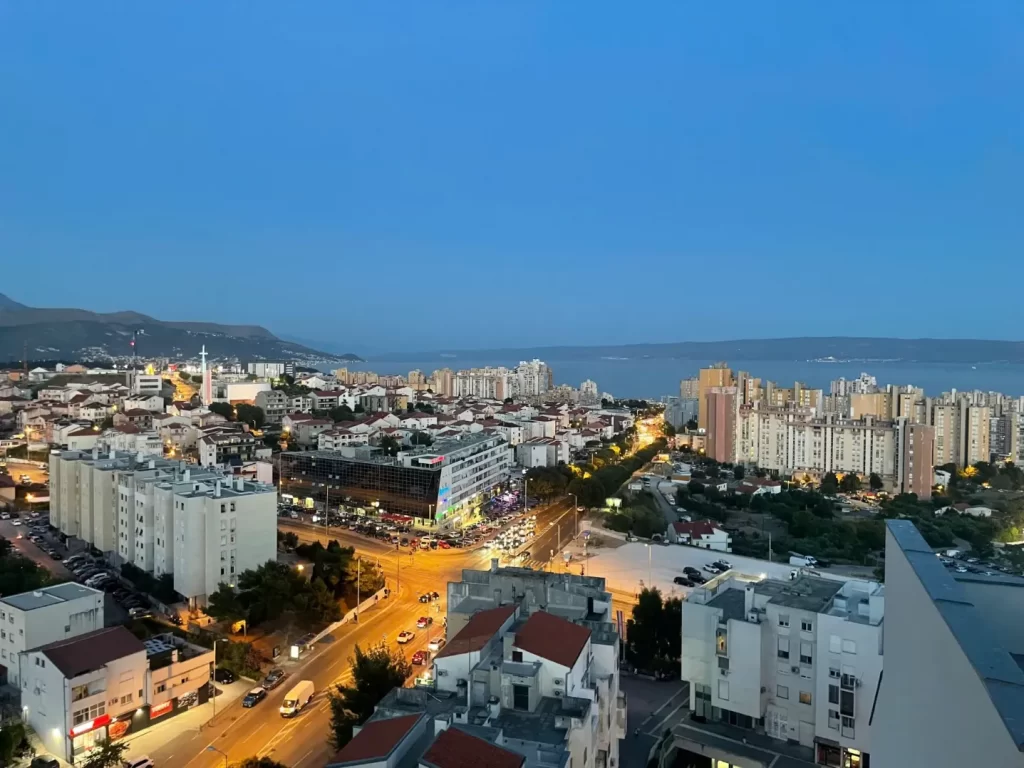
Cost of Living in Croatia as a Digital Nomad
Compared to Western Europe:
✔ Lower rent (outside peak summer zones)
✔ Lower healthcare costs
✔ Lower daily stress baseline
Compared to Southeast Asia:
✖ Higher rent
✖ Higher dining costs
✖ Less 24/7 convenience
Croatia sits between “cheap Asia” and “expensive Western EU.
Croatia Digital Nomad Visa
Croatia offers a dedicated digital nomad residence permit designed for non-EU citizens who work remotely for foreign companies or clients. Unlike tourist stays, this permit allows longer, more stable residence without entering the local labor market.
How to apply for Croatia digital nomad visa
Croatia introduced a dedicated temporary residence permit for non-EU remote workers in 2021.
Duration
- Valid for up to 18 months
- Possible to reapply after a 6-month gap
Income Requirement (2025/2026 update)
- Minimum monthly income: approx. €3,295
- Or savings: approx. €39,540 for a 12-month stay
Read next: Croatia Digital Nomad Visa Requirement: Required Document Checklist
Eligibility
- Non-EU/EEA citizen
- Working remotely for a foreign employer or clients
- Not entering the Croatian labor market
Tax Advantage
Digital nomads under this permit are exempt from Croatian income tax on foreign-earned remote income.
Where to Apply
Applications can be submitted:
- Online
- Through a Croatian consulate
- Or in-country (if visa-free)
Official authority: Ministry of Interior of Croatia
For a clear, step-by-step explanation of eligibility, required documents, timelines, and common mistakes, you can read our detailed Croatia digital nomad visa guide
Best Cities for Living in Croatia as a Digital Nomad
Split – Coastal Lifestyle + Active Nomad Scene
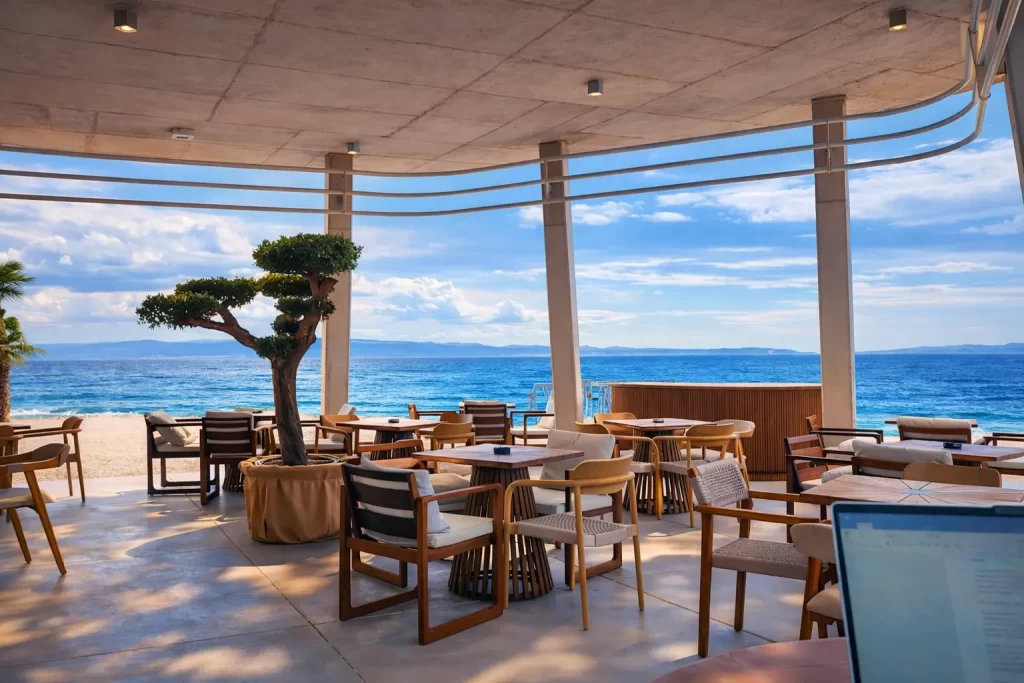
Split is Croatia’s strongest digital nomad hub.
- Reliable internet
- Active WhatsApp communities
- Walkable coastline lifestyle
- Large international presence
Best for: lifestyle-focused remote workers.
Zagreb – Urban Structure + Coworking Spaces

Zagreb offers:
- More coworking spaces
- Year-round activity
- Larger expat community
- Better winter energy
Best for: professionals who prefer city rhythm.
Read next: 7 Best Places to Live in Croatia (EU and non-EU citizen) 2026
Lifestyle & Environment
One of Croatia’s strongest points is its environmental and cultural diversity.
Despite its small size, the country feels remarkably varied:
- Coastal regions, inland cities, islands, and northern areas all have distinct identities
- No two islands feel the same
- Exploration doesn’t require international travel
Both natural landscapes and historic architecture are exceptionally well preserved. National parks, UNESCO-protected towns, and historic centers are part of everyday life, not just tourist highlights.
The climate also supports an outdoor-oriented lifestyle, with long walking seasons and frequent access to nature.
For many remote workers, living in Croatia as a digital nomad means having UNESCO heritage sites, islands, and national parks within reach without crossing borders.
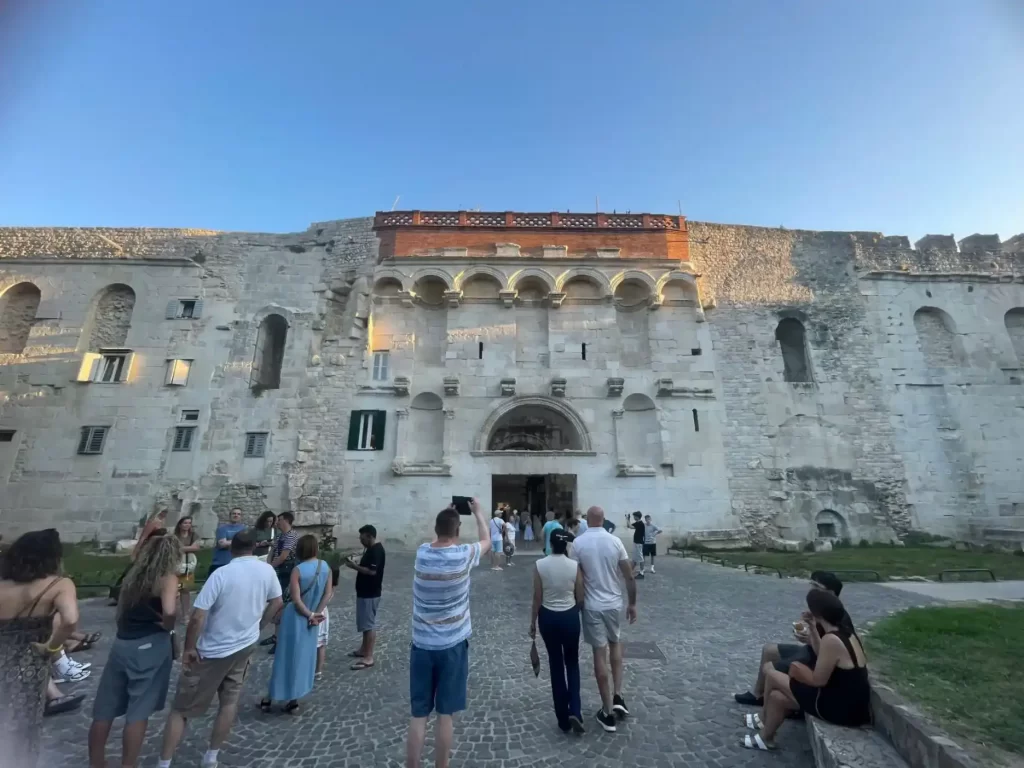
Safety & Social Stability
Croatia’s low crime rate makes living in Croatia as a digital nomad particularly appealing for solo travelers and women relocating independently.
As an Asian woman living abroad, Anna notes that she generally feels safe moving around independently.
Even walking alone at night, I never felt anything uneasy or unsafe,” Anna says. “I remember heading toward the beach through a small, dim alley and seeing kids walking on their own at the same time. That moment really stayed with me. it said a lot about how safe daily life feels here”
Families often allow children more independence than in many other countries.
Some expats also perceive less social tension compared to parts of Western Europe, though this can vary by region and personal experience.
People, Culture & Daily Rhythm
Croatian culture tends to be:
- Friendly and down-to-earth
- Strongly family-oriented
- Moderately paced rather than rushed
Coffee culture plays a central role in social life. Long conversations over coffee are normal, and people don’t feel pressured to move quickly. For someone used to fast-paced Asian cities, this slower, more intentional rhythm can be refreshing.
Rhythm of Life: Pomalo, Balote, and Fjaka
Beyond landscape and climate, daily life in Croatia is shaped by a distinct cultural rhythm that newcomers often notice quickly.
There is a local concept known as pomalo, a way of approaching life without constant urgency. Tasks get done, but rarely in a rushed or hyper-optimized manner. Time is treated as something to move with, not something to fight against.
This mindset is visible in everyday scenes, such as locals gathering to play balote, a traditional ball game often played outdoors along the coast. The game is less about winning and more about conversation, routine, and shared presence.
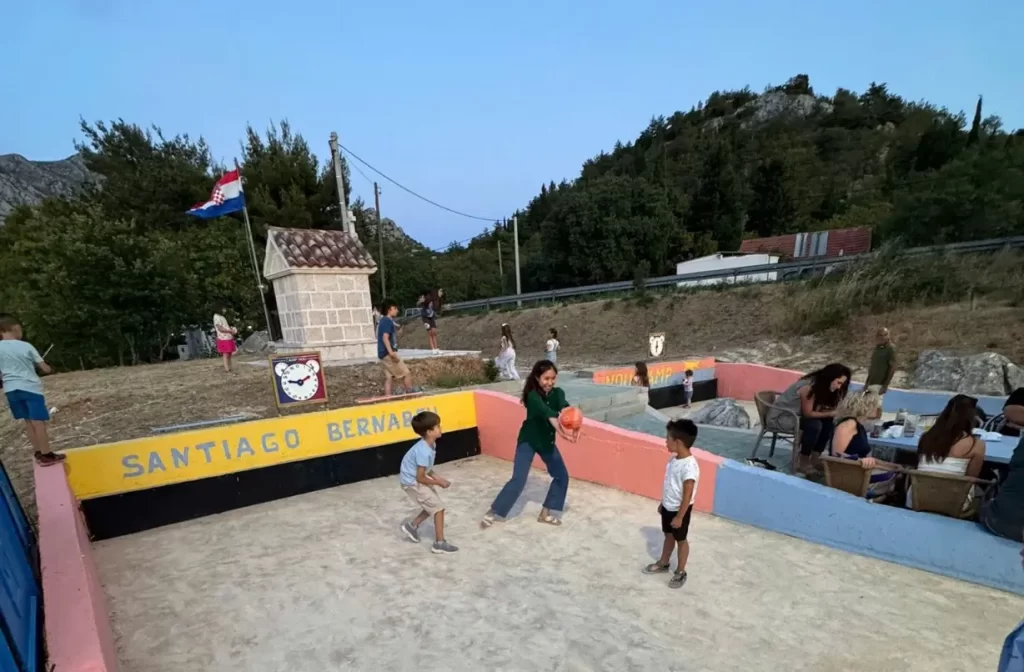
Another commonly referenced idea is fjaka, particularly in Dalmatia. It describes a state of relaxed mental and physical calm, not laziness, but a culturally accepted pause, often during warmer hours, when productivity gives way to rest and social connection.
For digital nomads arriving from fast-paced Asian cities, this slower rhythm can initially feel inefficient. Over time, however, many find it encourages a more sustainable relationship with work, time, and daily life.
“Coming from Ho Chi Minh City, I was used to constant movement and background noise, even rest felt unproductive. In Split, I realized that slowing down doesn’t mean falling behind. Life moves at a different pace, and for the first time, I felt I could step out of constant motion without guilt.”
Food & Everyday Living
Food quality is another pleasant surprise.
- Affordable, high-quality local cuisine is widely available
- Fresh ingredients are easy to find
- Cooking at home feels rewarding rather than limiting
For someone coming from Vietnam where food culture is central Croatia holds up surprisingly well in everyday eating, not just dining out.
No matter where my Airbnb was, I was always within walking distance of grocery stores, local bakeries, schools, kindergartens, even universities. Daily life feels well-organized and complete!
Digital Convenience & Infrastructure
From mobile networks to digital banking, living in Croatia as a digital nomad is technically smooth.
Remote work is reliable. Administration is increasingly digital.
Croatia performs well in daily digital life:
- Strong mobile networks
- Modern digital banking
- Improving e-government services
While it may not brand itself as a tech hub, daily work and online administration are smooth and reliable.
Healthcare: The Practical Reality
Healthcare works best with a hybrid approach.
- Public healthcare exists but can be slow
- Many expats rely on private clinics and dental care for speed and convenience
With this setup, healthcare is generally manageable and comparable to other developed countries. The challenges are not unique to Croatia, similar issues exist in places like Canada or Cyprus.
“I had a toothache and everyone in the expat WhatsApp group told me, ‘Dr. Tot.’ He’s friendly, dedicated and I didn’t feel overcharged or treated like a tourist”
Family Life & Education
For those considering family life:
- Public preschools can be good (availability varies)
- Schools are comparable to the rest of Europe
- Children have access to sports, arts, and extracurricular activities
Croatia is a solid option for families, especially outside major tourist zones.
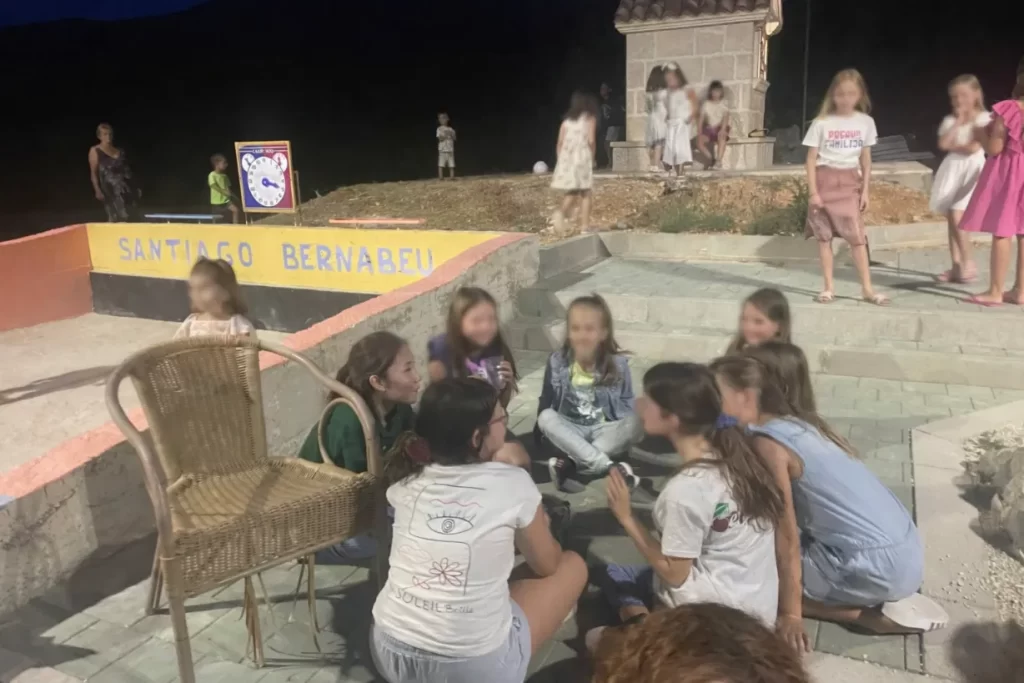
Digital Nomad Community & Social Life
In Split especially, living in Croatia as a digital nomad offers organic integration rather than overwhelming networking culture.
Beyond general networking groups, many digital nomad communities in Croatia are organized around specific interests and hobbies, which makes socializing feel more organic.
In Split alone, WhatsApp sub-groups exist for food meetups, hiking, swimming, language exchange, fitness, and creative hobbies. It’s common to see messages like: “I’m starting a relaxed crochet and crafts meetup, bring your project, grab a coffee, and create together.” Most activities are beginner-friendly and focused more on connection than skill or performance.
This kind of community structure makes it easier to join at your own pace. Whether someone is looking for quiet creative time, outdoor activities, or casual social interaction, there are usually low-pressure options available – and people are generally open, welcoming, and active in keeping these groups alive.
If you’re in Croatia during the summer, social life extends well beyond meetups. Nearly every week brings a festival or public event from small local music nights and town celebrations to large-scale gatherings like Ultra Europe in Split. Even the islands get involved, with playful events such as water or balloon fights on Brač and seasonal festivals that turn entire towns into social spaces.
These events aren’t just for tourists. Locals show up, expats blend in, and it becomes easy to feel part of the rhythm of the place rather than just passing through.
Pros and Cons of Living in Croatia as a Digital Nomad
Pros
- Legal 18-month residence permit
Croatia offers a dedicated digital nomad residence permit for non-EU citizens, allowing stable mid-term living without entering the local labor market. - Income tax exemption on foreign earnings
Digital nomads are generally exempt from Croatian income tax on remote income earned from abroad, creating clear financial predictability. - High safety and EU stability
Croatia consistently ranks as one of Europe’s safest countries, with low crime and strong institutional structure. - Schengen access
Full Schengen membership allows easy travel across most of Europe without visa resets. - Reliable infrastructure
Strong mobile networks, modern banking, and improving e-government systems support smooth remote work. - Balanced lifestyle
Walkable cities, coastline access, clean air, and a slower daily rhythm support sustainable long-term routines.
Cons
- Higher costs than Southeast Asia
Rent, groceries, and dining out are significantly more expensive than Vietnam, Thailand, or Indonesia. Croatia is not a budget nomad destination. - Slower bureaucracy
Administrative processes can be paperwork-heavy and slower than in Asia, especially under rules managed by the Ministry of Interior of Croatia. - Strong seasonality (coastal cities)
Split and other coastal hubs are crowded and expensive in summer, quieter in winter. - Smaller nomad ecosystem
Fewer coworking spaces and smaller communities compared to major Asian hubs. - More rigid work-life boundaries
Shops close earlier, Sundays are quiet, and 24/7 convenience is limited.
For those expecting Asia-level convenience, living in Croatia as a digital nomad requires adjustment.
Who Croatia Is Best For
Living in Croatia as a digital nomad works best if you:
- Have stable remote income
- Prefer EU legal structure
- Value safety and long-term planning
- Want Europe without Western Europe pricing
It is not ideal if you:
- Thrive on massive nomad megahubs
- Need ultra-low costs
- Depend on local Croatian salaries
FAQ
Can I live in Croatia as a digital nomad?
Yes. Croatia offers a Digital Nomad residence permit that allows non-EU nationals to live in Croatia while working remotely for a foreign employer or operating a business registered outside Croatia.
Is Croatia good for digital nomads?
For many remote professionals, yes. Croatia combines safety, Mediterranean lifestyle, reliable internet infrastructure, and a strong café culture. Compared to Western Europe, everyday costs can be lower, especially outside peak tourist seasons.
Do digital nomads pay tax in Croatia?
Under the current Digital Nomad residence framework, qualifying foreign-sourced income is generally not subject to Croatian income tax during the approved residence period. However, tax obligations in your home country may still apply, and individual structuring should always be reviewed.
How long can a digital nomad stay in Croatia?
The Digital Nomad residence permit is typically granted for up to 12 months. It is not automatically renewable, and in practice, applicants may need to leave Croatia before reapplying, depending on current administrative interpretation.
What are the best cities in Croatia for digital nomads?
Popular locations include Split, Zagreb, and Zadar. These cities offer reliable internet, coworking spaces, good public transport, and active international communities. Coastal towns are especially attractive during spring and autumn.
Is internet reliable in Croatia for remote work?
Yes. Major cities and coastal areas generally provide stable broadband and mobile internet suitable for video calls, online meetings, and digital business operations.
Is it easy to find coworking spaces in Croatia?
Coworking spaces are widely available in larger cities, particularly in Split and Zagreb. Monthly passes are typically more affordable than in Western Europe, and many spaces host networking events and community meetups.
Can digital nomads work from cafés in Croatia?
Yes. Croatia has a strong café culture, and working from cafés is socially accepted in many urban areas. Wi-Fi is usually reliable, and long laptop sessions are common, especially outside peak tourist hours.
What challenges do digital nomads face in Croatia?
Common challenges include slower administrative procedures, seasonal housing shortages in coastal cities during summer, and very quiet winter periods in tourist-focused towns. Patience and planning are essential for a smooth stay.