Retiring in Europe is a realistic goal for many non-EU citizens, but the wording “Europe retirement visa” can be misleading. There is no single, unified retirement visa Europe.
Instead, many European countries offer retirement residence permit Europe options under different names. These are usually designed for financially independent people who can support themselves without working locally.
This guide explains how “retirement visas” in Europe work in practice, what requirements are common across countries, and where programs like Portugal D7, Spain’s Non-Lucrative Visa, and similar permits fit in.

What Is a Retirement Visa in Europe?
A “retirement visa” in Europe usually refers to a residency pathway for financially independent individuals who want to live long-term in a European country.
In most cases, the applicant must show:
- Passive income or stable independent income (not dependent on local employment).
- The ability to cover living costs for themselves and often for dependents.
These programs can suit:
- Traditional retirees living on pensions
- Early retirees living on savings and investments
- Financially independent individuals with rental income, dividends, or other non-salary income
Many EU countries offer passive income residency permits, and these are commonly referred to as retirement visas.
General Requirements for a Retirement Visa Europe
Exact rules vary by country, but most programs share similar requirements.
Passive income
Most countries want to see income that is stable and sufficient to support your stay, such as:
- Pensions
- Rental income
- Dividends
- Interest income
- Savings (sometimes accepted alone, sometimes only as a supplement)
Health insurance
Private health insurance is commonly required, especially during the first years of residence.
Applicants usually must show:
- Comprehensive coverage
- Validity in the destination country
- No major coverage gaps
Accommodation
Applicants typically must prove where they will live, for example:
- A rental contract
- Proof of property ownership
- A host declaration (in some cases)
Clean criminal record
A background check or criminal record certificate is commonly required, often with legalization (such as apostille) and translation.
Key Requirements & Considerations
While requirements vary slightly by country, most European retirement residence permits share the following core criteria:
- Passive Income: You must prove you can support yourself without working locally (pensions, investments, rental income, or dividends).
- Residency Requirement: Many visas—such as Portugal’s D7—require you to reside in the country for at least 183 days per year, which may also impact your tax residency status.
- Healthcare: Comprehensive private health insurance is typically mandatory, especially during the initial years of residence.
- Documentation: Applicants must provide a valid passport, clean criminal record, and proof of accommodation (rental contract or property ownership).
Retirement Visa Income Requirements in Europe (2026 Comparison)
While most European “retirement visas” follow the same principle proving stable passive income the minimum financial requirements vary significantly by country.
Below is a simplified comparison of the most popular options:
| Country | Visa Type | Minimum Income Requirement (Approx.) | Visa Duration & Pathway |
|---|---|---|---|
| 🇵🇹 Portugal | D7 Visa (Passive Income) | ~€870/month (€9,870/year) | 2 years → +3 years renewal → PR/citizenship after 5 years |
| 🇪🇸 Spain | Non-Lucrative Visa (NLV) | ~€2,400+/month | 1 year → renewable every 2 years → PR after 5 years |
| 🇮🇹 Italy | Elective Residence Visa (ERV) | ~€31,000+/year | 1 year → renewable → PR after 5 years |
| 🇬🇷 Greece | Financially Independent (FIP) | ~€3,500/month (€42,000/year) | 2 years → renewable → PR after 5 years |
| 🇭🇷 Croatia | Temporary Residence (Financial Means) | No fixed official minimum, but typically €2,500–€3,500/month equivalent recommended | 1 year → renewable annually → PR after 5 years |
Popular Retirement Visa European Programs
Below is a high-level overview of some of the best-known options. Always confirm current rules with official sources or qualified local advisors before applying.
Portugal D7 Visa

Portugal’s D7 visa is widely known as a passive income residency route. It is often discussed as one of the most accessible options for retirees and financially independent individuals.
Spain Non-Lucrative Visa
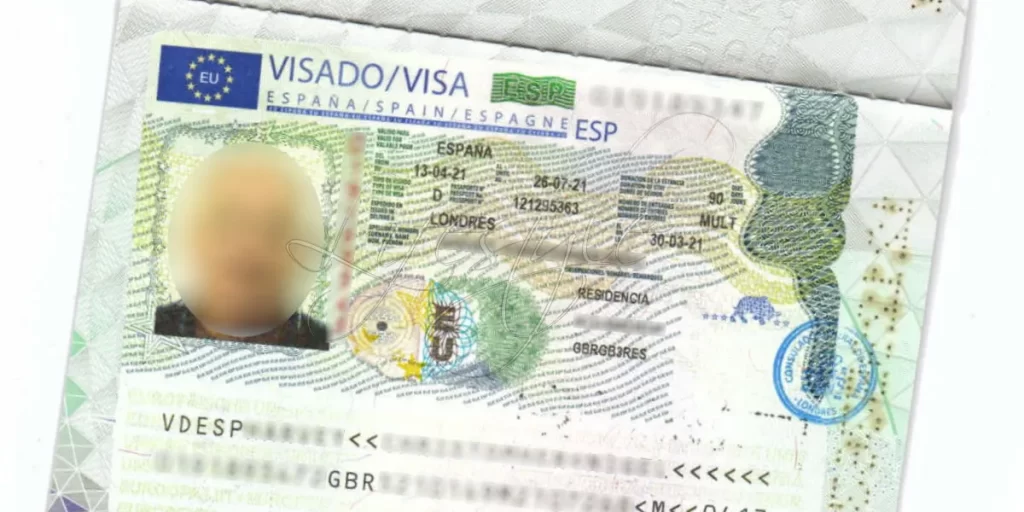
Spain’s non-lucrative visa allows non-EU nationals to live in Spain without working locally. It is one of the most widely searched retirement pathways in Europe and is popular with retirees seeking lifestyle and healthcare quality.
Croatia Retirement & Temporary Residence Options
While Croatia does not offer a traditional “Croatia retirement visa” under a single branded program, it provides flexible legal pathways for retirees and financially independent individuals.
Retirees typically apply through:
- Temporary residence based on financial means (proof of sufficient funds)
- Property ownership (as a supporting factor, not a standalone right)
- Family reunification (if applicable)
Croatia stands out for its lower cost of living compared to Western Europe, strong safety profile, and high quality of life, making it increasingly attractive for retirees seeking a safe and affordable European base.
You can explore all available pathways or explore retire in Croatia in our detailed guide.
Italy Elective Residence Visa
Italy’s elective residence visa is designed for people who can support themselves through independent income sources. It is commonly used by retirees planning long-term residence in Italy.
Greece Financially Independent Person Visa
Greece offers a financially independent residence route that appeals to retirees seeking a Mediterranean lifestyle and relatively moderate living costs.
France Long-Stay Visa
France offers long-stay visa options that can be suitable for retirees who can demonstrate financial means and appropriate health insurance coverage.
Can You Retire in Europe Without a Specific Retirement Visa Europe?
Yes. This is an important point when comparing residency options.
Some countries do not have a dedicated retirement visa label, but they still allow residence permits for financially independent individuals. In practice, this can function similarly to a retirement visa.
Croatia, an EU member state on the Adriatic Sea, has become increasingly attractive to retirees seeking Mediterranean living at a lower cost than Western Europe.
roatia does not currently offer a specific retirement visa, but retirees can still obtain residency through a temporary residence permit for financially independent persons. Learn more: Croatia Retirement Visa (2026 Guide): Legal Pathways
This residence pathway allows non-EU citizens to live in Croatia if they can demonstrate sufficient income, private health insurance, and accommodation.
Over the past decade, Croatia has become an increasingly popular destination for retirees looking for a quieter Mediterranean lifestyle within the European Union and the Schengen Area.
Several factors contribute to this trend:
- A coastal lifestyle along the Adriatic Sea
- Lower living costs compared with Western Europe
- High levels of safety and political stability
- Access to EU travel within the Schengen zone
- Attractive historic cities such as Split, Dubrovnik, and the Istrian coast
For many retirees, Croatia offers a balance between quality of life, affordability, and access to the wider European region. Croatia is often considered more affordable than many Western European destinations. For a detailed comparison of expenses, including housing, food, and utilities, see our guide on cost of living in Croatia.
However, navigating residency requirements, tax considerations, and property ownership rules can be complex for foreign nationals. Many retirement residence permits require applicants to spend at least 183 days per year in the country, which can also trigger tax residency.
This is where professional guidance can make a significant difference.
Mandracchio Capital, a Croatia-based legal and advisory firm, assists foreign retirees and financially independent individuals with:
- residency planning and application strategies
- property acquisition and legal due diligence
- tax residency considerations
- long-term relocation planning in Croatia
For retirees considering Croatia as their European base, obtaining tailored legal guidance can help ensure a smooth and compliant relocation process.
How Long Does It Take to Get Permanent Residency in Europe?
In many European countries, the typical pathway looks like this:
- Maintain legal residence for around 5 years (rules vary by country).
- Apply for permanent residency if eligibility requirements are met.
- Potentially apply for citizenship later, depending on language, integration, and residency rules.
Because these timelines differ significantly across countries, long-term planning is important.
Visa Duration & Long-Term Residency Path
Most European retirement-style residence permits follow a similar structure:
- Initial residence permit: 1–2 years
- Renewals: Every 1–2 years, depending on the country
- Permanent residency: Typically after 5 years of continuous legal stay
- Citizenship: Usually possible after 5–10 years, depending on national rules
Which European Countries Are Easiest for Retirees?
The “easiest” option depends on your financial profile and personal priorities.
Lowest income requirements
Commonly compared options include:
- Portugal
- Greece
Strong healthcare systems
Countries often recognized for healthcare quality include:
- Spain
- France
Affordable Mediterranean lifestyle
Countries frequently mentioned for value and lifestyle balance include:
- Croatia
- Greece
Best Retirement Visa Europe for US Citizens
US citizens often compare European retirement options based on:
- Income thresholds and what qualifies as passive income
- Minimum stay requirements each year
- Tax residency implications
Popular options researched by Americans include:
- Portugal D7 Visa
- Spain Non-Lucrative Visa
- Greece financially independent residence routes
- Croatia temporary residence for financially independent persons
Because US citizens remain subject to worldwide income reporting, tax planning is often a key part of retirement relocation planning.
Best Retirement Visa Europe for UK Citizens
Since Brexit, UK citizens commonly evaluate European residency options based on:
- Clear residency rules
- Practical renewal processes
- Healthcare access
- Insurance requirements
Commonly researched options include:
- Spain Non-Lucrative Visa
- Croatia temporary residence pathways for retirees and financially independent individuals
- Portugal D7 Visa
- France long-stay residence routes
- Greece financially independent residence permits
Best Countries to Retire in Europe (Quick Checklist)
When comparing destinations, retirees often consider:
- Income requirements that match their financial profile
- Residency renewal rules and long-term pathways
- Cost of living and housing availability
- Healthcare systems and insurance costs
- Language and integration considerations
- Climate and lifestyle preferences
- Tax residency implications
Read more: 10 Top Places to Retire in the World in 2026 with Real Story
Planning Retirement in Croatia
If Croatia is on your shortlist, retirement planning may include:
- Choosing a suitable residency strategy for financially independent persons
- Understanding tax residency and financial planning considerations
- Reviewing property ownership options and legal due diligence
- Planning healthcare access and private insurance requirements
Mandracchio Capital assists foreign retirees and financially independent individuals with residency planning, property acquisition support, and legal structuring for long-term residence in Croatia.
FAQ: Retirement visa Europe
Do EU retirement visas allow work?
Most retirement-style or non-lucrative residence permits are designed for people who do not work locally. Some countries allow limited activity, but work rights usually require a separate permit.
What income is required for retirement visas in Europe?
There is no single income threshold across Europe. Each country sets its own requirements, and the minimum income level can change over time.
Does Croatia have a retirement visa?
Croatia does not have a specific retirement visa, but retirees can apply for temporary residence as financially independent persons if they can demonstrate sufficient income and appropriate health insurance.