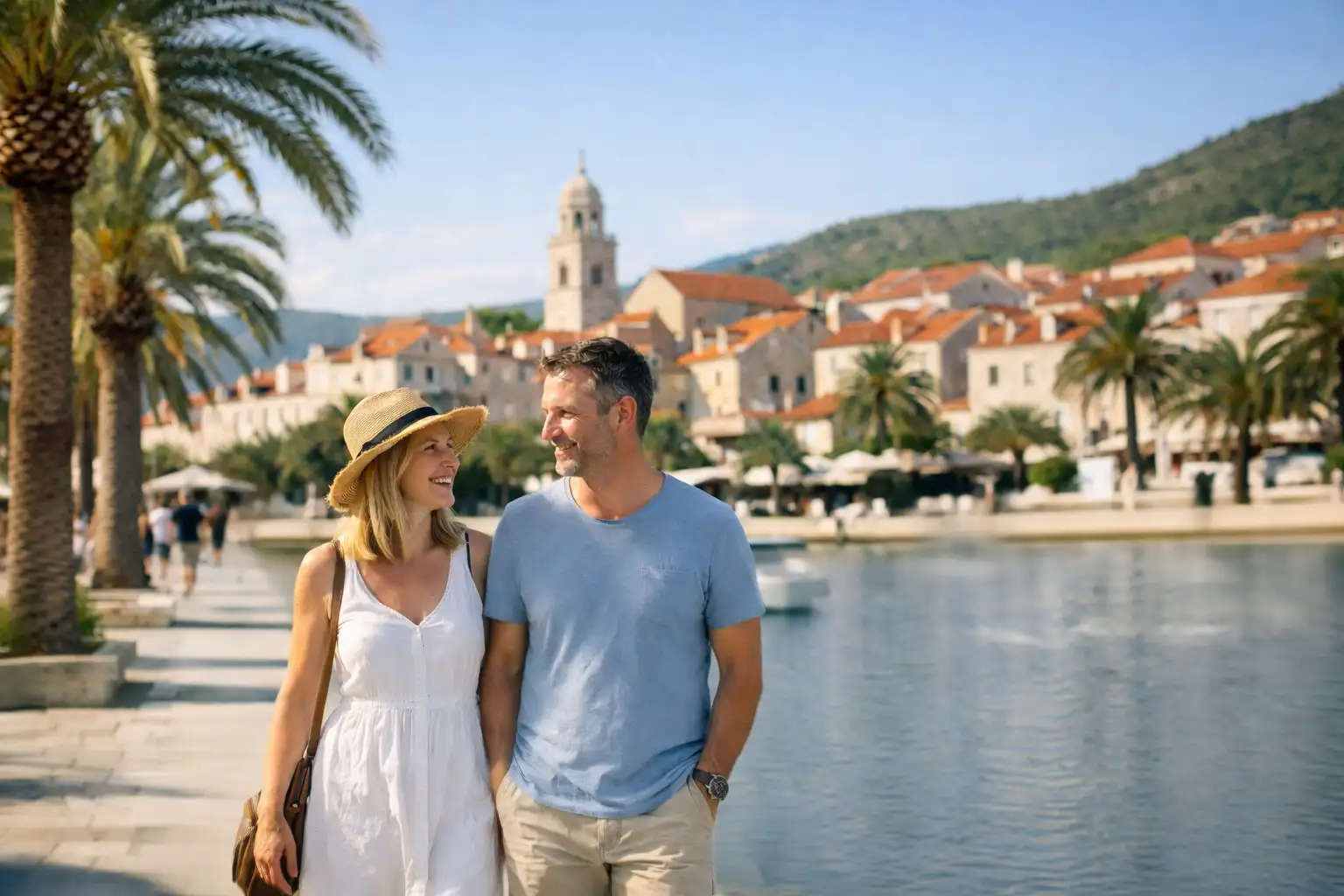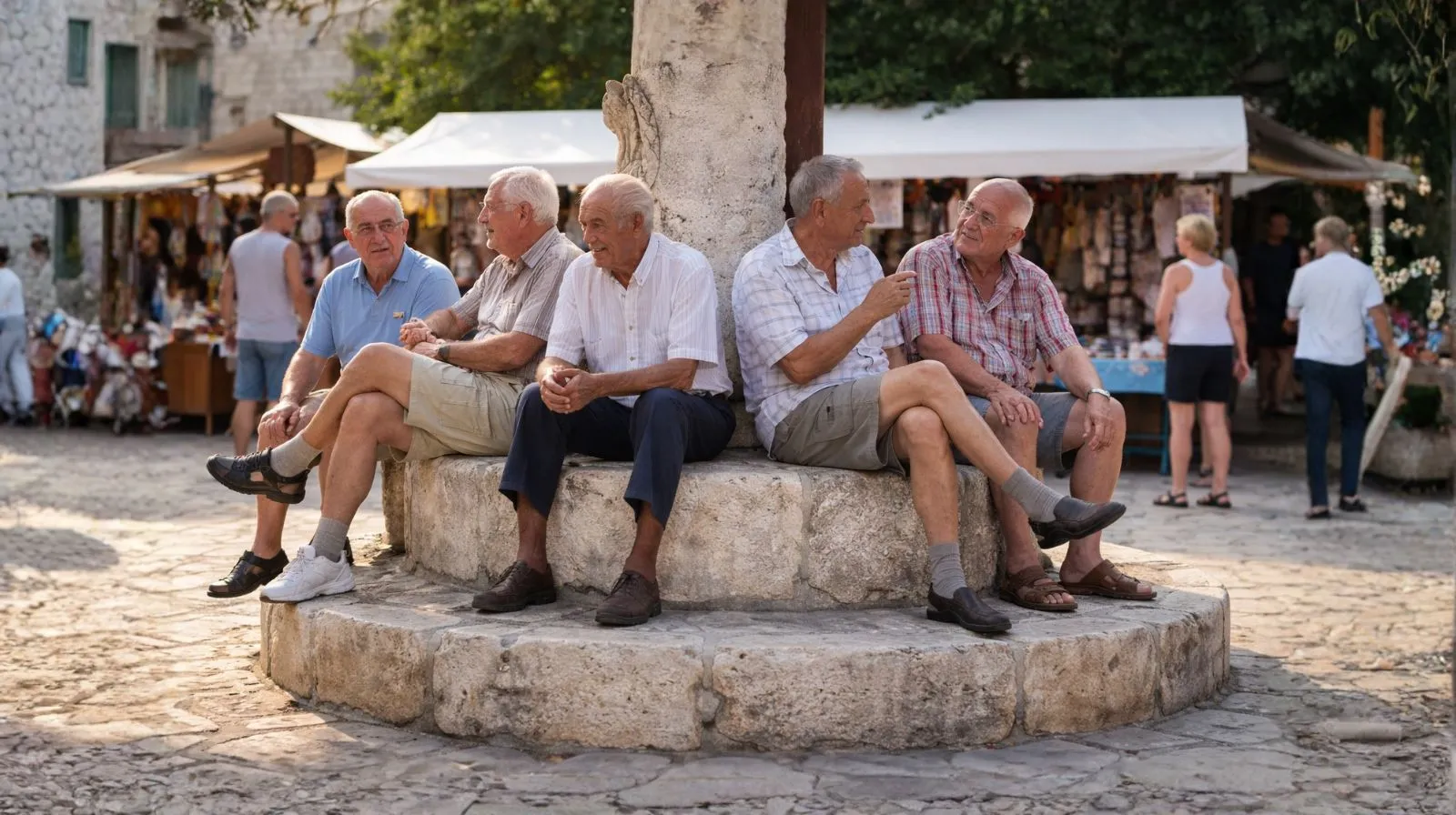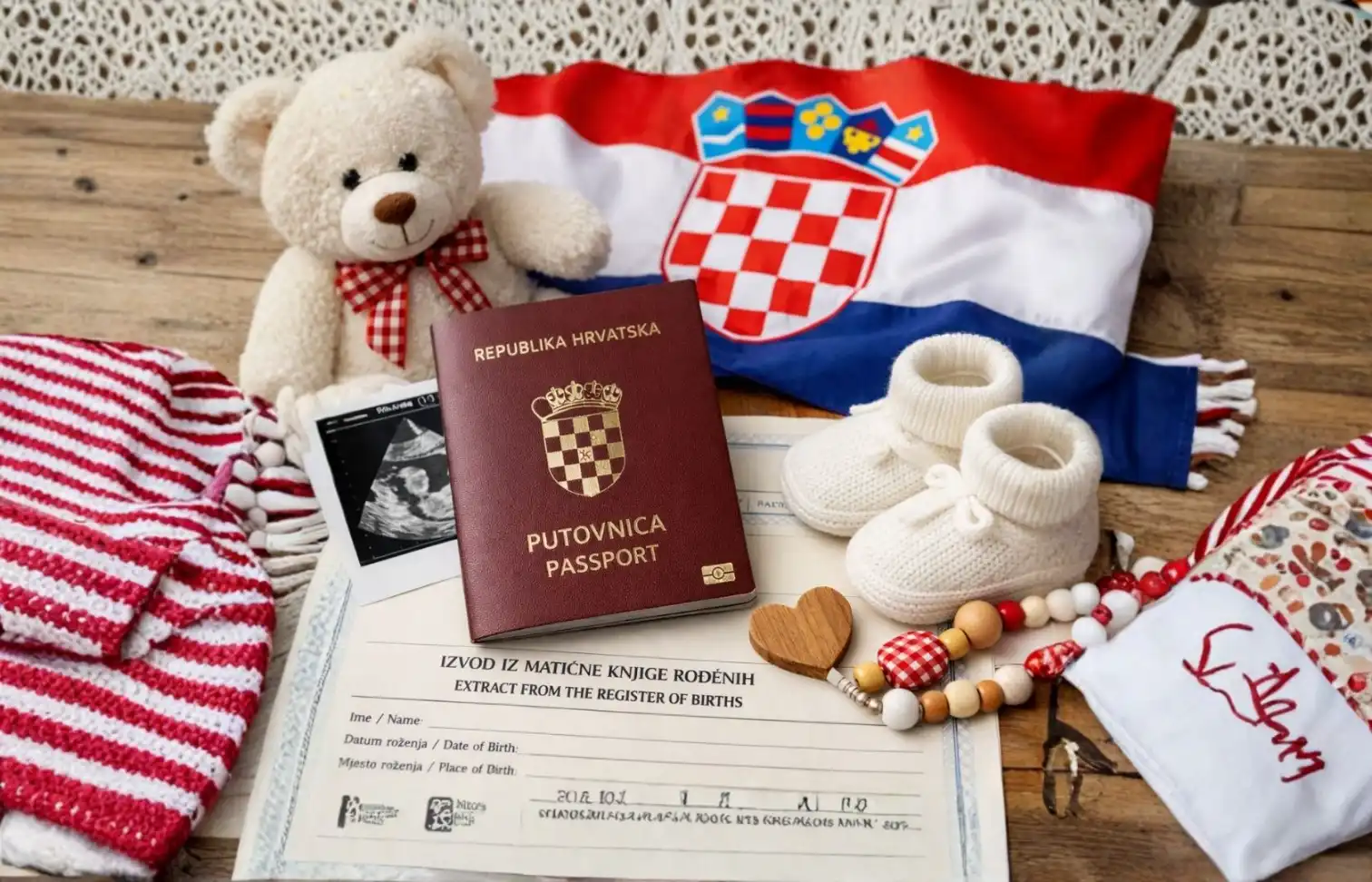
Is Croatia a Good Place to Retire? Yes, Croatia is considered a very good place to retire for financially independent foreigners, including Americans. It offers a lower cost of living than most Western European countries, a Mediterranean lifestyle, strong safety rankings, and access to EU healthcare and travel benefits.
Most retired couples live comfortably on €1,200 – €2,500 per month, depending on location and lifestyle. Coastal cities like Split or Istria are more expensive than inland regions.
However, Croatia is not ideal for retirees who need local employment, expect fast bureaucracy, or prefer a fully English-speaking administrative system. Long-term retirement also requires a Temporary Residence Permit under Croatia’s Aliens Act, as there is no dedicated retirement visa.
For the right profile, Croatia delivers high quality of life at a reasonable cost but expectations must be realistic.
Why Many Expats Are Considering Retirement in Croatia
Over the last decade, Croatia has quietly become one of Europe’s most attractive retirement destinations.
Key reasons include:
- Lower daily living costs compared to the US, UK, and Western Europe
- A safe, low-crime environment
- Mediterranean climate along the Adriatic coast
- EU and Schengen membership
- Slower, outdoor-focused lifestyle
Unlike high-profile destinations like Portugal or Spain, Croatia remains less saturated and more affordable outside peak tourist areas.
Retirement here is less about luxury and more about quality of life.
Cost of Living: How Much Do You Need to Retire in Croatia?
One of the most searched questions is:
How much money do I need to retire in Croatia?
The answer depends on location and lifestyle.
Typical Monthly Budget for a Couple
Inland or local lifestyle:
€1,200-€1,800 per month
Coastal comfort lifestyle (Split, Istria, Zadar):
€2,000-€2,500 per month
What Drives Cost Differences?
- Long-term rental vs central tourist apartment
- Coastal vs inland living
- Dining frequency
- Private healthcare usage
- Seasonality
Compared to the United States:
| Expense Category | Croatia | United States |
|---|---|---|
| Rent (1-bed city) | €500–€900 | $1,500–$3,000 |
| Utilities | €100–€150 | $200–$400 |
| Private doctor visit | €40–€80 | $150–$300 |
Croatia generally offers lower recurring costs, especially in healthcare and housing.
For a detailed city-by-city breakdown, see our full guide on the cost to retire in Croatia, including real monthly examples and housing scenarios.
Healthcare in Croatia for Retirees
Healthcare is often the deciding factor when evaluating retirement abroad.
Is Healthcare Good in Croatia?
Yes. Croatia has a universal public healthcare system (HZZO) and a well-developed private sector.
Public Healthcare
Once legally resident, retirees may register for Croatia’s public healthcare system. Contributions are relatively affordable compared to US private insurance.
Benefits include:
- Nationwide coverage
- Access to hospitals and specialists
- Low-cost prescriptions
However:
- Wait times can be longer
- Some staff may not speak fluent English
Private Healthcare
Many expats use private clinics for:
- Faster appointments
- English-speaking doctors
- Routine and specialist visits
Private costs are often dramatically lower than in the US.
Comparison Framing
Croatia’s healthcare system is generally considered strong for routine and moderate care. Retirees with highly complex medical conditions should research specialist availability in major cities like Zagreb or Rijeka.
Understanding how Croatia’s public pension system works is also important for long-term financial clarity.
Safety, Stability & EU Advantages
Croatia consistently ranks among the safest countries in Europe.
Advantages include:
- Low violent crime rates
- Political stability
- EU legal protections
- Schengen travel freedom
Retirees benefit from:
- Easy access to Italy, Austria, Slovenia, Hungary
- No border controls within Schengen
- Stable banking and legal system
For many retirees, safety is a primary reason Croatia ranks highly.
Best Places to Retire in Croatia
Where you live significantly shapes your retirement experience.
Split & Dalmatian Coast
- Historic coastal city
- Vibrant atmosphere
- Higher summer tourism
Best for those who enjoy activity and sea access.
Istria Peninsula
- Italian cultural influence
- Wine and gastronomy focus
- Balanced lifestyle
Often considered refined and slightly more structured.
Zagreb
- Year-round urban life
- Top hospitals
- Cultural events
- Less seasonal fluctuation
Best for retirees prioritizing healthcare and infrastructure.
Inland Regions (Lika, Slavonia)
- Very low housing costs
- Nature-focused living
- Quiet environment
Ideal for budget-conscious retirees.
Croatia was recently featured in our ranking of the top places to retire in the world, where we compare lifestyle, cost, and safety factors globally.
The Real Downsides of Retiring in Croatia
Balanced evaluation builds trust.
Bureaucracy
Administrative processes can be slow and document-heavy. Residence permits require annual renewal before permanent residence eligibility.
Language Barrier
English is common in cities and tourism areas, but official procedures are typically conducted in Croatian.
Learning basic Croatian significantly improves integration.
Tourism Pressure
Coastal cities can become crowded and more expensive during summer months.
Income Structure Matters
Croatia works best if:
- Your pension or investments are foreign-sourced
- You are financially independent
- You are not dependent on local employment
Can Americans Retire in Croatia?

Yes. Americans can retire in Croatia by applying for a Temporary Residence Permit.
Important facts:
- No dedicated retirement visa exists
- Financial independence is the most common legal basis
- Applicants must show sufficient income or savings
- Residence is renewable annually
- Permanent residence possible after 5 consecutive years
This legal framework is governed by Croatia’s Aliens Act (Zakon o strancima), published in the Official Gazette of the Republic of Croatia. For a complete legal breakdown, including documentation requirements and renewal rules, read our guide on how to retire in Croatia.
Tourist stays and digital nomad permits do not count toward permanent residence eligibility.
We explain the full process step-by-step in our detailed guide on retiring in Croatia as an American.
Pros and Cons Summary
Advantages
✔ Lower cost of living than US and Western Europe
✔ Mediterranean lifestyle
✔ High safety
✔ EU & Schengen access
✔ Affordable healthcare
✔ Clean environment
Disadvantages
✖ Bureaucracy can be slow
✖ Language barrier in official settings
✖ Seasonal tourism impact
✖ No dedicated retirement visa
If you’re still exploring the broader lifestyle advantages, see our deeper analysis of the benefits of retirement in Croatia.
Who Croatia Is Ideal For
Croatia is ideal for retirees who:
- Have stable foreign income
- Value safety and calm lifestyle
- Enjoy Mediterranean climate
- Want European travel access
- Prefer slower pace of life
It may not suit retirees who:
- Expect fast administration
- Require constant English service
- Prefer large expat-heavy environments
Final Thought: Is Croatia a Good Place to Retire?
For financially independent retirees seeking safety, affordability, and a Mediterranean lifestyle within the European Union, Croatia is a strong choice.
It is not the cheapest destination in Europe, nor the most administratively simple. However, for those prepared to navigate paperwork properly and adapt culturally, Croatia offers high quality of life at a reasonable cost.
Retirement success here depends less on age and more on preparation, financial structure, and realistic expectations.
If you’re planning seriously, start with our complete guide: Retire in Croatia: Visa, Costs, Healthcare & Taxes.
Frequently Asked Questions
How much money do I need to retire in Croatia?
Most couples budget between €1,200 and €2,500 per month depending on location, housing type, and healthcare preferences.
What are the disadvantages of living in Croatia?
Common downsides include slow bureaucracy, language barriers in official processes, and seasonal tourism in coastal cities.
Where is the best place to retire in Croatia?
Popular retirement destinations include Split, Istria, Zagreb, and Opatija. Inland regions offer lower housing costs and quieter environments.
Is Croatia expat friendly?
Yes. English is widely spoken in cities and coastal areas. However, learning basic Croatian improves long-term integration.
Does Croatia tax pensions?
Tax treatment depends on tax residency status and applicable double taxation treaties. Retirees should review their specific situation before relocating.
Professional Advisory Perspective
Retirement residence in Croatia is not based on age or pension status alone. It is governed by the Aliens Act (Zakon o strancima), which defines the legal bases under which non-EU citizens may obtain temporary and permanent residence.
In practice, most foreign retirees qualify through financial independence, property-based accommodation, or long-term registered lease agreements.
Mandracchio Capital has assisted international clients including US retirees with residence structuring, compliance documentation, and long-term planning in Croatia. The most common challenges we see involve incomplete documentation, misunderstanding tax residency triggers, and assuming property ownership automatically grants residence.
Because immigration rules, financial thresholds, and local administrative interpretation can change, individualized review is strongly recommended before relocation.
This article is based on Croatia’s current immigration framework under the Aliens Act and practical experience advising foreign retirees on residence structuring and compliance. Immigration rules and financial thresholds can change, so professional review before relocation is strongly recommended.