If you’re researching how to get temporary residency in Croatia, you’re likely past the dreaming stage. You want to understand what’s legally possible, where you apply, and how to avoid mistakes that cost months.
If you are an expat planning to invest or do business in Croatia, a digital nomad or someone exploring retirement in Croatia, this guide is for you. We provide a clear, official, and realistic overview with specific notes for EU and non-EU nationals, as the rules and application processes differ.
Key Takeaways (Read This First)
Legal Foundation: Temporary residence is required to live in Croatia beyond 90 days.
Application Route Matters: Where you apply depends on your nationality and visa requirements.
Different Paths: Digital nomads, business founders, and retirees each follow distinct legal routes.
Documentation Is Key: Most refusals result from missing or inconsistent documents, not lack of eligibility.
Time-Limited: Temporary residence is typically granted for one year, with renewals tied to the approved purpose.
What Is Temporary Residency in Croatia?
Temporary residency (privremeni boravak) is a legal residence permit granted to third-country nationals and registered for EU citizens, allowing you to live in Croatia longer than a tourist stay.
Under Croatian law, temporary residence can be granted for purposes such as:
Digital nomad stay
Work or business ownership
Family reunification
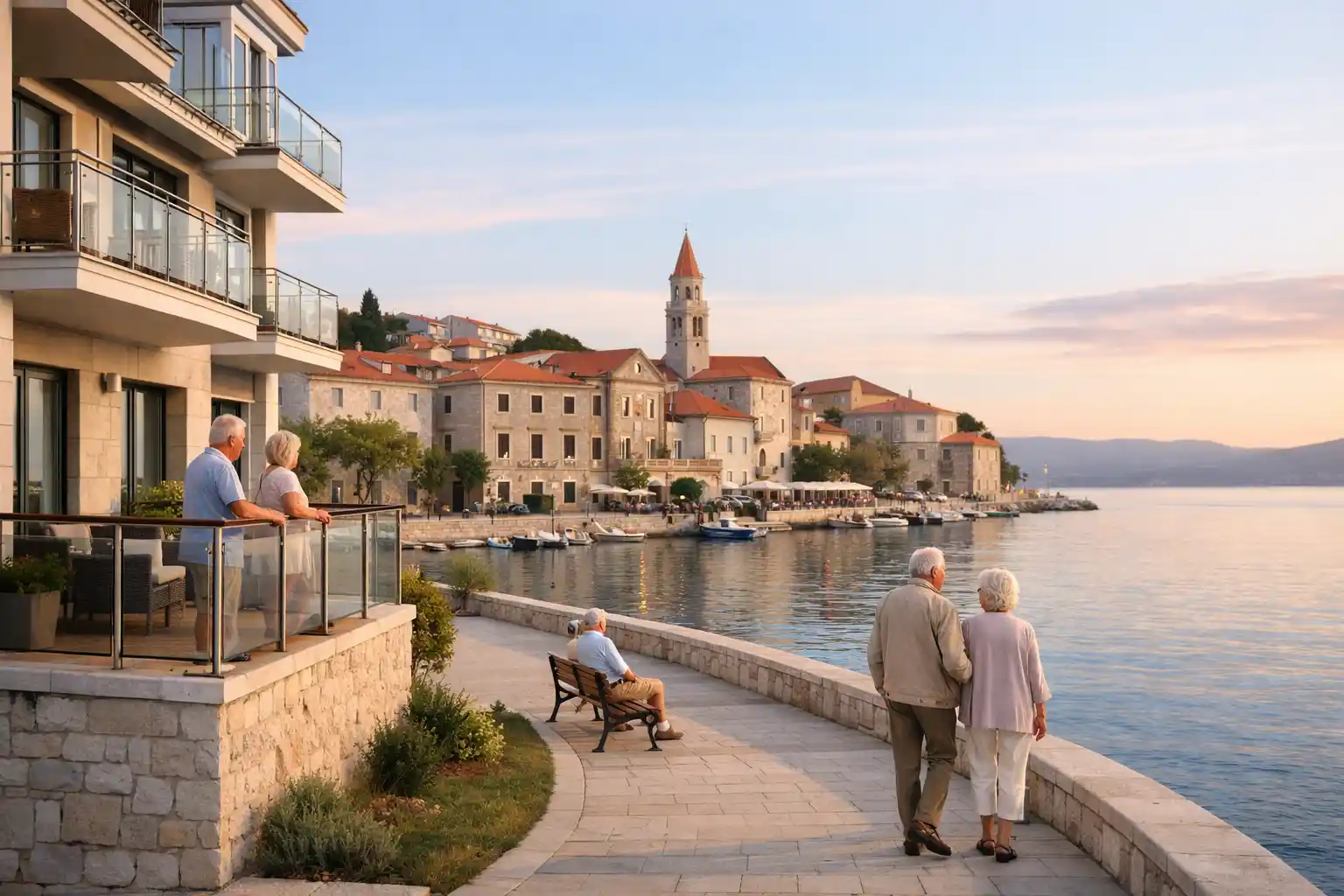
Other justified personal purposes (retirement)
Croatia temporary residence permit is not citizenship, and it is not permanent residence, but it is the mandatory first step for anyone planning to live legally in Croatia long-term.
Understanding how to get temporary residency in Croatia means knowing where and how to apply.
How the Application Process Differs for EU vs Non-EU Citizens
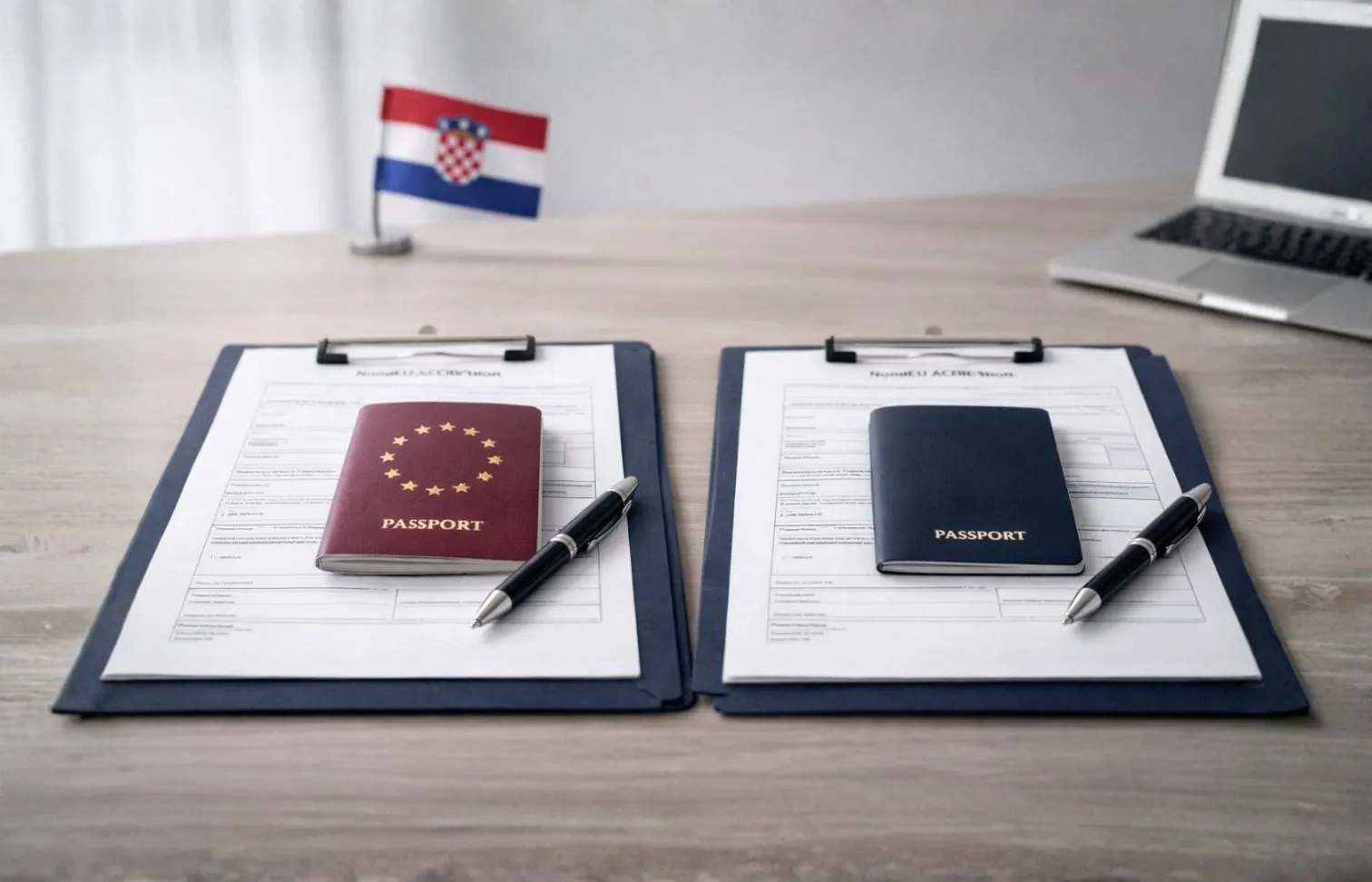
Croatia applies two completely different legal systems depending on whether you are an EU/EEA citizen or a third-country national (US, UK, Vietnam, Canada, Australia, etc.). Understanding which system you fall under determines where you apply, what documents you need, and how complex your case will be.
EU citizens do not apply for residence under the Aliens Act. They use EU free-movement law, which is far simpler.
In practice:
You enter Croatia freely
You register your address and residence at the police
You receive an EU Registration Certificate
No income test
No criminal record certificate
No health-insurance screening
No annual re-approval risk
EU citizens gain permanent residence automatically after five years of registered stay.
Non-EU (Third-Country) Citizens
All non-EU nationals (including US, UK, Vietnam, Canada, Australia, etc.) must apply under Croatia’s Aliens Act for a temporary residence permit.
This means:
You must qualify under a legal purpose (work, business, family, retirement, study, etc.)
You must submit:
Proof of income
Health insurance
Criminal background check
Apostilled and translated documents
Your permit is time-limited (usually 12 months) and must be renewed
Your residence must remain continuously valid to count toward permanent residence
“We did not apostille our passports. Instead, we provided notarized, translated color copies, which were requested during our citizenship interview in Pula. Although some documents were said not to be required, officials specifically asked for these copies at the appointment, and they were accepted without issue.”
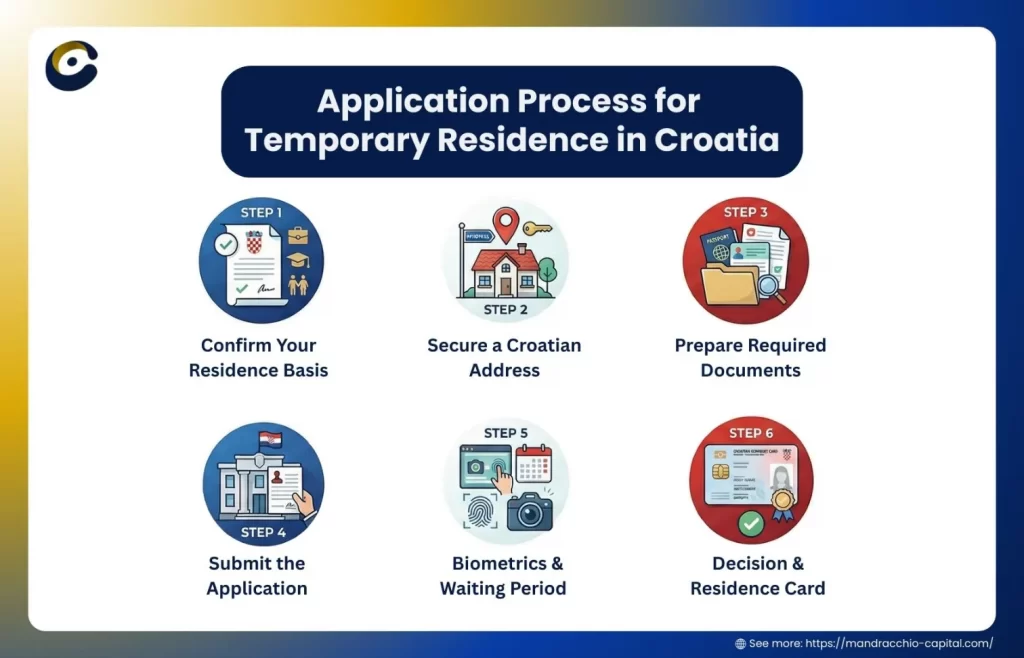
Application Process for Temporary Residence in Croatia
Applying for temporary residence in Croatia follows a defined legal sequence, even though the experience can vary slightly by city. Understanding the order of steps helps avoid delays, rejections, or repeated visits to the police.
Step 1: Confirm Your Residence Basis
Before applying, you must clearly identify which legal purpose you’re applying under (digital nomad, work, business owner, family reunification, retirement via property or income, etc.).
Step 2: Secure a Croatian Address
You must have a registered Croatian address before submitting your application. Your address determines which police station/administration has jurisdiction over your case.
Step 3: Prepare Required Documents
All applicants must submit the required documents (see list below). Any documents issued outside Croatia must be apostilled or legalized, where applicable, and officially translated into Croatian by a certified court translator.
Step 4: Submit the Application
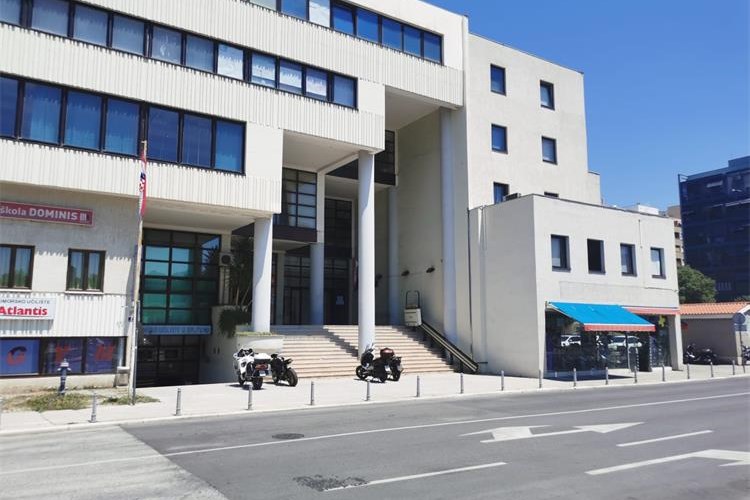
Where you apply depends on your nationality. Applications are processed by the regional police administration, even when submitted at a police station.
Step 5: Biometrics & Waiting Period
After submission:
Fingerprints and photo are taken
You receive a confirmation of submission
Processing usually takes 30–60 days
If you applied inside Croatia legally, you may remain in Croatia while waiting for a decision.
Step 6: Decision & Residence Card
Once approved:
You pay final administrative fees
A biometric residence card is issued
Temporary residence is usually valid for 1 year
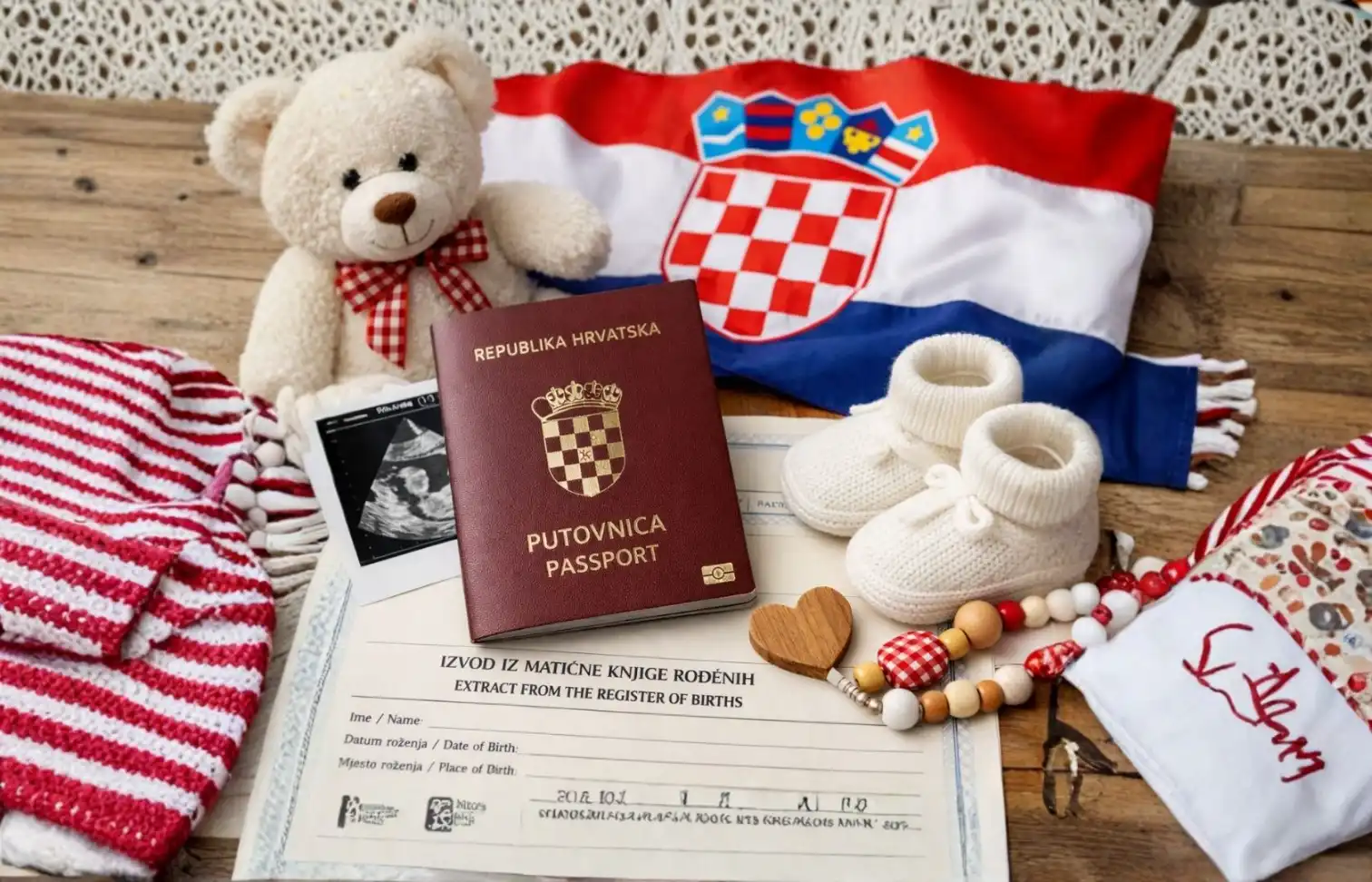
Certain categories (family reunification with Croatian citizens) may receive 2 years
The total cost depends heavily on where you apply and whether you need a Visa D to enter the country first.
Required Documents for Temporary Residency
According to Croatian law, every application for temporary residence must include:
Core Documents
Completed residence application form
Passport copy (valid 3 months beyond permit)
3×3.5 cm photo
Proof of health insurance
Proof of financial means
Proof of residence purpose
Proof of accommodation (Rental contract /Property ownership document / Owner’s notarized statement (with land registry extract))
How to Get Temporary Residency in Croatia as a Digital Nomad
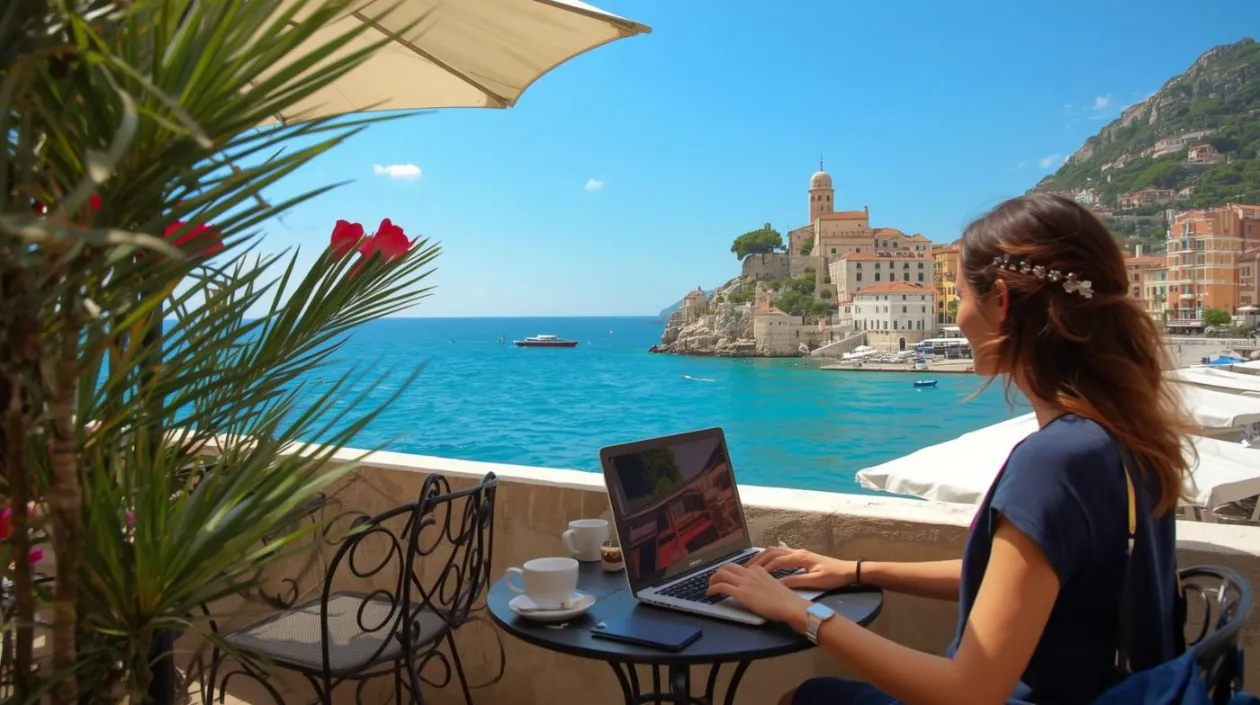
In 2026, the Digital Nomad Residence Permit is officially classified as a type of Temporary Residence, and the core administrative fees are identical to other temporary residence categories (like study or family reunification).
Who Qualifies
You may apply if you:
Are a non-EU citizen
Work remotely for non-Croatian companies or clients
Temporary Residency & Work Permits for Doing Business in Croatia
Many expats search how to get temporary residency in Croatia because they want to open or move a business.
For this residence category, the application requires proof of grounds for stay (dokaz o svrsi boravka). In practice, this means you must submit a Court Registry Extract (izvadak iz sudskog registra) showing that a Croatian company has already been legally established.
A third-country national (non-EU) may apply for a stay and work permit as a self-employed worker if they work in their own company (owning more than 51%), or in their own sole trade (obrt) AND they meet both general immigration conditions, AND specific business conditions
The standard and safest approach is to establish the Croatian company first, usually via a Power of Attorney, without the applicant needing to be physically present in Croatia.
Once the company is properly registered and operational, you can then apply for the appropriate Visa D and/or stay and work permit, based on the correct legal grounds.
This sequencing avoids procedural refusals and ensures that the residence application is assessed on a complete, compliant, and well-documented basis.
At Mandracchio Capital, we supports you through both steps, coordinating company formation and residence planning so that the business setup and immigration application are aligned from the start.
A foreigner does not need to hire Croatian employees to establish or own a d.o.o. in Croatia. However, non-EU citizens applying for a stay and work permit as a self-employed worker may be subject to additional requirements, which can include director salary levels, and employment of Croatian nationals.
Temporary Residence Permit in Croatia: Common Pitfalls
1. Address Registration: The “24-Hour Rule”
You may often hear that “you must report to the police within 24 hours.” Here is how it actually works:
If you stay in commercial accommodation (hotel, hostel, registered rental): The accommodation provider must register you within 24 hours of arrival.
If you stay in non-commercial accommodation (private apartment, friend’s home): You are typically required to register your stay with the police within 2 days.
If you enter Croatia with an approved temporary residence permit: The Ministry of the Interior (MUP) requires you to report your residence address no later than 3 days from entry.
For visa holders: The Ministry of Foreign Affairs notes that address declaration is generally required within 48 hours, while accommodation providers still have a 24-hour obligation.
2. Assuming a Pending Application Automatically Legalizes Your Stay
Filing an application does not always extend your legal stay.
If your visa-free period or visa expires while the application is pending, you may unintentionally overstay. This can affect renewals and future applications, even if the original filing was correct.
3. Address Inconsistency Across Authorities
Using different addresses with:
Police (MUP)
Tax authority
Health insurance (HZZO)
Pension fund (HZMO)
Company registry
Even minor discrepancies can trigger additional checks or delays. Address consistency is especially important when residence continuity matters.
About Mandracchio Capital
At Mandracchio Capital, we work differently from typical relocation services.
Assess which residence route truly fits your case
Match you with the right Croatian lawyer for your situation
Coordinate immigration, business, and tax considerations together
This matters because how to get temporary residency in Croatia isn’t about filling forms but choosing the correct legal foundation from the start.
FAQ:
How to get temporary residency in Croatia as a US citizen?
You can apply inside Croatia at MUP if you don’t require a visa. The key is applying before your 90-day stay expires with complete documents.
How to get temporary residency in Croatia for retirees?
There is no retirement visa, but residence is possible through property, rent prepayment, or family ties. Each option has limitations that must be planned carefully.
How to get temporary residency in Croatia through business?
You must form a Croatian company and apply for a work & residence permit tied to that entity. This route requires compliance with employment and tax rules.
Where Do You Apply for Temporary Residency in Croatia?
You apply either abroad at a Croatian embassy or consulate or inside Croatia at the local police administration (MUP), depending on your nationality and legal status.
How Much Does a Croatian Temporary Residence Permit Cost?
The total cost for a Croatian temporary residence permit is approximately €100 – €135, depending on processing speed and location. Additional costs often apply for:
Certified translations
Apostille or legalization
Passport photos
Health insurance
Criminal background checks
How Long Does It Take to Get Temporary Residency in Croatia?
Temporary residence permits are usually processed within 3 – 4 weeks, although complex cases may take longer.
Processing time depends on:
Application completeness
Category of residence
Local police workload
Need for additional verification
Incomplete or incorrectly translated documents are the most common reason processing exceeds one month.
How Long Is a Croatian Temporary Residence Permit Valid?
A Croatian temporary residence permit is typically issued for 1 year.
Some categories such as family reunification with Croatian citizens may receive up to 2 years on the first permit. Permits are purpose-specific and must be renewed before expiry if you intend to stay. Renewals should be started at least 30 days before your permit expires.
How Long Must You Live in Croatia Before Applying for Permanent Residence?
You must legally reside in Croatia for 5 continuous years on qualifying temporary residence permits before applying for permanent residence.
Not all residence types count toward this period:
Business-based and work permits usually count
Digital nomad and property-based permits typically do not
How Soon Must You Register Your Address After Arriving in Croatia?
You must register your Croatian address within 30 days of arrival.
This is done at:
The local police station (MUP), or
Automatically through your landlord or accommodation provider (in some cases)
Failure to register on time can result in fines or delays in residence processing.
Address registration is mandatory even if you plan to move later.
This article is legally reviewed by:
Prof. Šime Jozipović, LL.M. (Harvard)
Jean Monnet Professor · Legal Advisor
Prof. Dr. Šime Jozipović is a Croatian legal expert specializing in corporate, business, financial law and the Founder of Mandracchio Capital. He has advised international and domestic clients on company formations, investment structuring, and dispute resolution across technology, tourism, maritime, and energy sectors. He holds LL.M. degrees from LMU Munich and Harvard University, completed his doctorate summa cum laude at LMU, and is registered with the Croatian Bar Association. Dr. Jozipović has held research positions at Harvard Law School and the Max Planck Institute.
Disclaimer: While our contributors include legal professionals, the information provided on the Mandracchio Capital blog is for general informational purposes and does not constitute legal, financial, or tax advice.
We’re here to help!
Fill out the form, and we’ll connect to explore how we can support you.
+385 91 122 2777
Stepinčeva 14, Split
contact@mandracchio-capital.com
Living or Doing Business in Croatia? Stay Informed
No more searching everywhere, get visa, permit & cost-of-living updates directly in your inbox