Key Takeaways
- Top lifestyles, one country: choose between Split’s seaside energy, Zagreb’s business-friendly city life, Istria’s creative calm (Rovinj / Pula), or island serenity (Hvar / Brač).
- Best for expats: Split = sea + coworking + active nomad scene; Zagreb = year-round community + strong jobs + culture.
- Slow-life luxury: Rovinj, Pula (Istria) + Hvar, Brač (Islands) attract creatives and nature lovers seeking culture, vineyards, and coastal charm.
- Best value picks: Zadar & Šibenik offer strong affordability and good connectivity; coastal prices increase in summer.
With Croatia’s Mediterranean climate, lower living costs, and welcoming digital-nomad visa, the country is becoming a top destination for EU, non EU (UK, US, Canada, New Zealand,..) digital nomads and expats living in Croatia who are seeking flexibility, safety and quality of life.
In this blog, we look at the best places to live in Croatia for expats, digital nomads, and retirees in 2026, combining lifestyle data with insights from US and UK expats to help you find a place that truly feels like home.
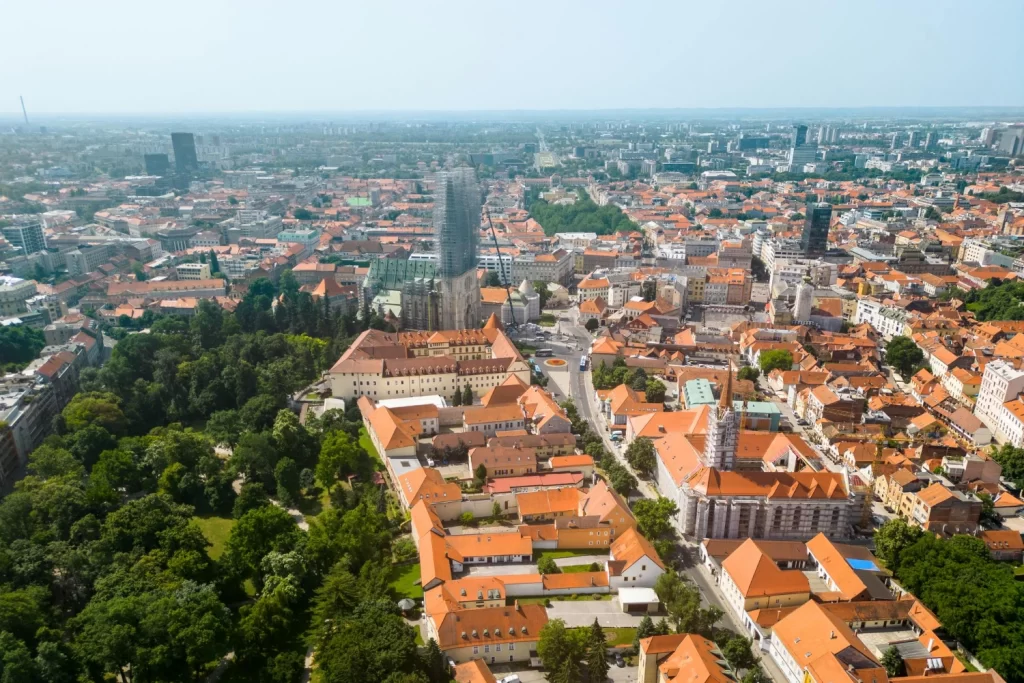
Why People Move to Croatia: Safety, Lifestyle & Quality of Life
For many expats living in Croatia, the decision to move is driven less by trends and more by daily livability, safety, simplicity, and balance between work and personal life.
Before choosing a specific city or region, it’s worth understanding what living in Croatia is really like on a day-to-day basis, from bureaucracy and healthcare to residency options, lifestyle pace, and long-term integration.
For a broader, country-wide perspective, see our overview: Is Croatia a Good Place to Live?
Do Croatians speak English?
This is one of the most common questions people ask before moving to Croatia, especially among expats living in Croatia who don’t speak the local language. You’ll hear English spoken comfortably across the country, especially among younger people, professionals, and anyone working in tourism, tech, or international business.
That said, while English is common in cities and tourist areas, learning some Croatian becomes increasingly important for smoother integration, especially for expats living in Croatia outside major urban centers.
Is Croatia in Eastern Europe?
Not quite. Croatia sits in Southeast Europe, often described as part of Central Europe with a Mediterranean spirit.
It joined the European Union in 2013 and entered the Schengen Area in 2023, meaning smooth border-free travel within most of Europe. With its Adriatic coastline and mild climate, Croatia feels distinctly Mediterranean – not Eastern.
Is Croatia Safe to Live In?
Yes, Croatia consistently ranks among Europe’s safest countries (and in Top 10 Places to Retire in the World in 2026). Crime rates are low, communities are close-knit, and political conditions remain stable.
For families, retirees, and solo professionals alike, safety is one of the top reasons expats living in Croatia choose to settle here long term, whether in Zagreb, Split, or smaller coastal towns.
For retiree, please read this blog: How to Retire in Croatia as a Foreigner: Croatia Retirement Visa
Is Tap Water Safe to Drink?
Absolutely. Croatia’s tap water meets strict EU quality standards and comes from natural springs and rivers.
In many cities – especially in the Dalmatian region – locals take pride in their fresh, mineral-rich drinking water.
Is Croatia Affordable?
Croatia offers an appealing cost-to-quality-of-life ratio. While tourist hubs like Dubrovnik or Split can be pricey in summer, everyday life in cities such as Zagreb, Zadar, or Osijek remains more affordable than Western Europe.
You’ll find good healthcare, affordable produce, and low utility costs – especially outside peak tourist zones.
| Location Type | Lowest Expected Rent (1BR/Studio) | Best Season to Find |
| Inland/Cheaper Cities (e.g., Osijek, parts of Zagreb) | €350 – €550 | Year-round |
| Coastal Cities (Low Season) (e.g., Split, Zadar) | €500 – €750 | October to April |
For a full structural overview of income tax, corporate tax, VAT, and cross-border implications, see our guide to the Croatia Tax System.
Is Croatia a Good Place to Live?
Yes – and increasingly so. Croatia blends EU-level stability, Mediterranean rhythm, and modern infrastructure, offering both security and serenity. The lifestyle is slower, people value connection over competition, and the combination of sea, mountains, and culture creates a rare quality of everyday life. Many expats say it’s not just a place to live – it’s a place to breathe.
Quality of Life & Social Balance
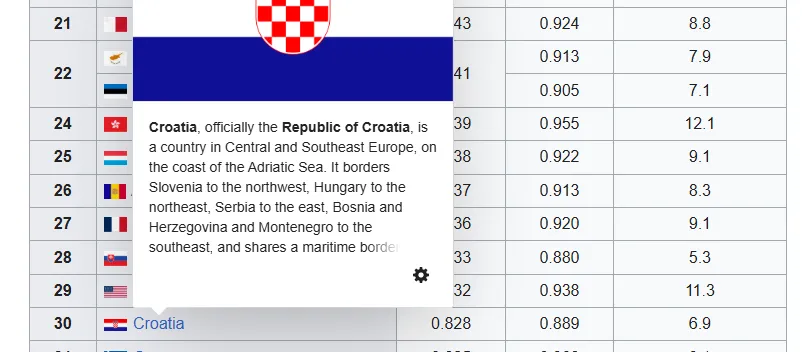
Croatia also ranks among the top 30 countries globally on the inequality-adjusted Human Development Index (IHDI). This means that Croatia’s strong performance in healthcare, education, and living standards remains high even after accounting for income and social inequality. In practical terms, quality of life is not limited to a small segment of society, but broadly accessible across the population, an important factor for families, long-term residents, and professionals considering relocation.
Building Your Career in Croatia
Croatia’s job market is evolving quickly, and expats today have more opportunities than ever especially in roles that value international experience, remote work, and digital skills. The tech sector is growing the fastest. Zagreb, Split, and Rijeka are developing into real tech hubs, supported by EU funding, startup accelerators, and companies actively hiring global talent. With strong internet infrastructure and a rising number of coworking spaces, Croatia has become a natural base for remote professionals. Tourism and hospitality also continue to offer opportunities, especially in boutique hotels, wellness tourism, eco-tourism, and experience-based travel services. These employers often prefer candidates with strong English and multicultural backgrounds.
Split – Best for Digital Nomads & Remote Workers
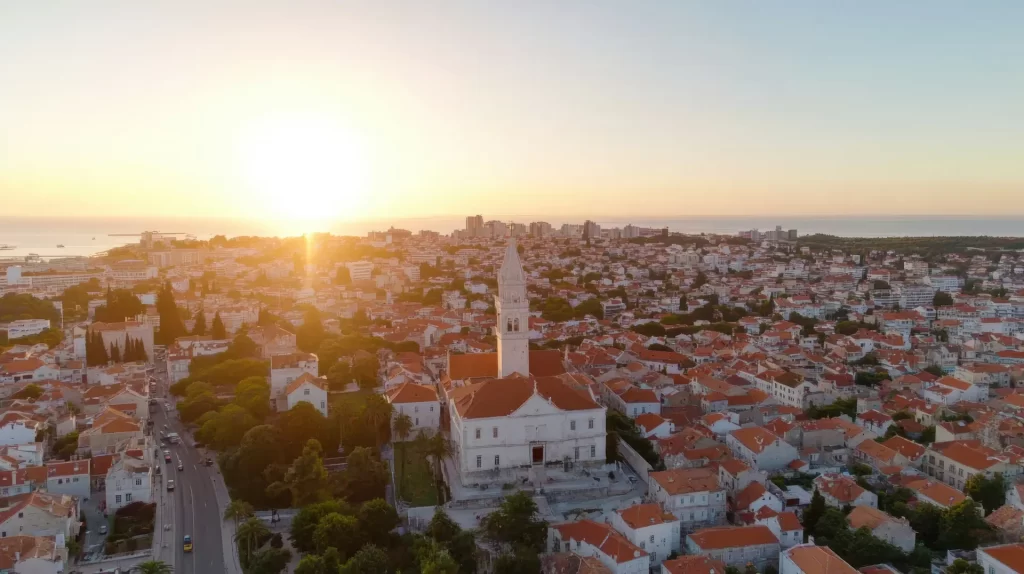
Split consistently ranks among the best places to live in Croatia for digital nomads thanks to its balance of modern conveniences and seaside living.
Save this article: Croatia Digital Nomad Visa 2026 Handbook
What digital nomads say about living in Split:
“Split has a better climate, fresher air, and more sunshine thanks to its Mediterranean setting. Compared to inland cities like Zagreb, air quality feels noticeably better, especially outside the October – March winter period. The main challenge is housing availability and pricing during peak tourist season, typically from June to September.
On the downside, Dalmatia doesn’t offer much culinary variety, Asian food options are limited, Italian cuisine is generally basic, and dining leans heavily toward Balkan-style dishes.” – Gemma (Manchester, UK)
You can also view
- “From the Cotswolds to Zagreb – How James & Eleanor Structured Work, Tax, and Residency to Move to Croatia From UK” which shows how a UK couple planned their move to Croatia ”
- Amanda’s Experience: What Americans Underestimate Before Moving to Croatia, An honest account of both the good and the difficult parts of relocating from the US
Highlights
- Beach lifestyle + modern conveniences
- Fast Wi-Fi, coworking spaces
- Direct ferries to Croatian islands
- Strong nomad community
Consider
- Housing competition and higher rents from June – September
- Early booking recommended
Best for: Remote workers who want daily sea views without sacrificing convenience.
Location, Climate & Lifestyle
Located on Croatia’s central Dalmatian coast, Split enjoys over 2,700 hours of sunshine per year and mild winters around 10–15°C. It’s Croatia’s second-largest city, set around the UNESCO-listed Diocletian’s Palace – meaning history, sea views, and café culture merge seamlessly. Daily swims, sunset walks, and easy island-hopping make Split a top choice among the best places to Live in Croatia for expats and digital nomads.
Learn How to apply for Croatia digital nomad visa within 3 steps
Split – Croatia AQI
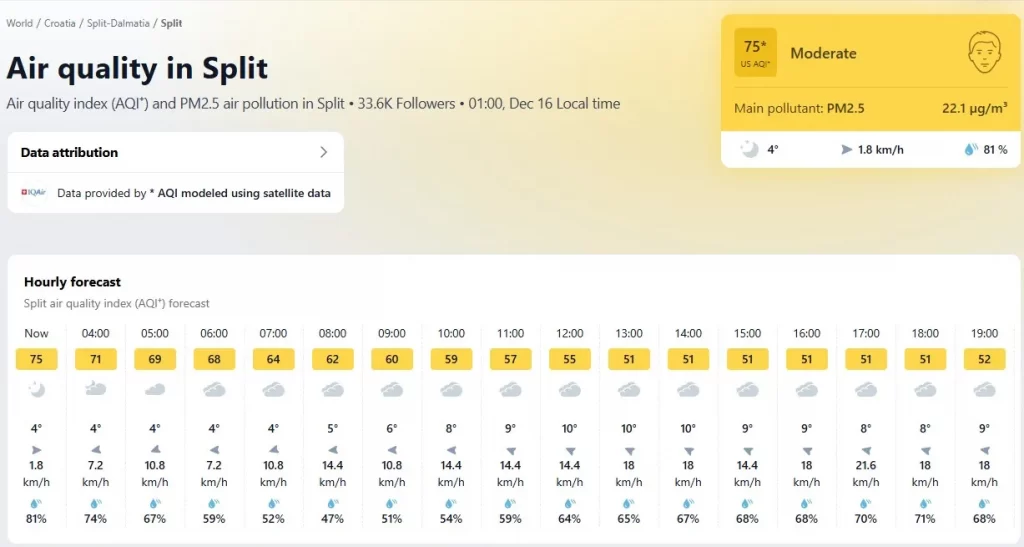
Split consistently has better air quality than Zagreb, especially from autumn to early spring. Coastal airflow and wind patterns keep pollution low, while Zagreb’s inland geography causes winter smog episodes, often peaking mid-week under calm, humid conditions.
Zagreb – Best for Stability & Networking

What expats say about living in Zagreb:
“If you like a big-city rhythm, regular events, and casual business networking, it can feel more dynamic than coastal cities outside the summer season. People also appreciate how easy it is to escape for the weekend, with budget flights across Europe and nearby cities like Vienna or Venice just a few hours away, while the coast is still close enough for a spontaneous trip. Winter doesn’t slow things down much, with cafés and bars staying busy, though many nomads mention that air quality can drop from October to March, which is one of the trade-offs of living inland.” – Tony (San Francisco, USA)
Highlights
- Capital city + European cafe culture
- International schools
- Reliable infrastructure
- Growing tech scene
Consider
- Cold winters
- Bureaucracy can be confusing
Best for: Professionals or entrepreneurs who want business opportunities and a year-round community.
Location, Climate & Lifestyle
As Croatia’s capital and largest city, Zagreb is located inland near the Slovenian border and serves as the country’s main administrative, cultural, and economic hub. It’s well connected to the rest of Europe by train, highway, and international flights.
Zagreb experiences cold winters, with temperatures often dropping below 5°C, and warm, dry summers. Daily life feels distinctly urban yet comfortable, with more affordable long-term rents, extensive green parks, and a well-developed remote-work infrastructure, making it a practical choice for those planning longer stays or year-round living.
Zagreb – Croatia AQI
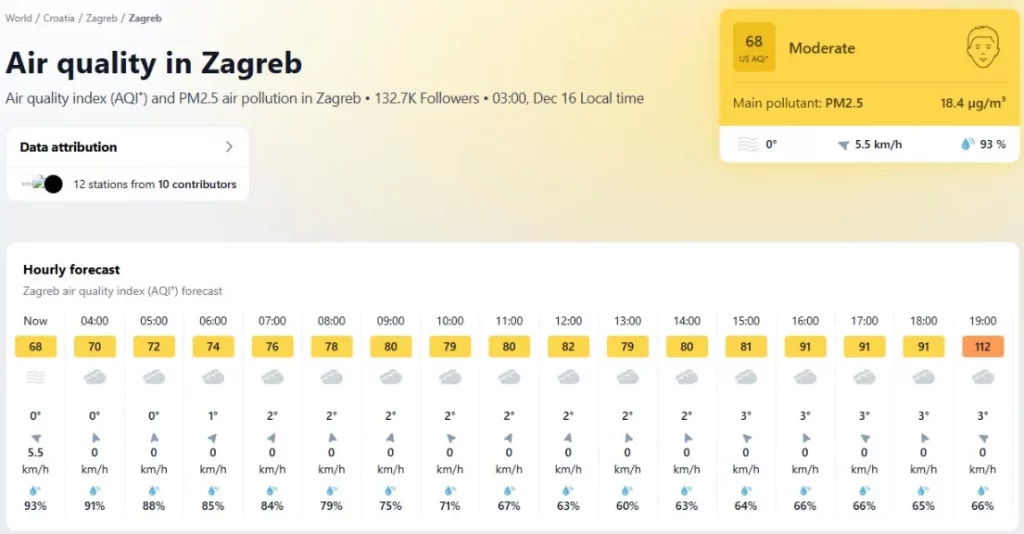
Zagreb usually has moderate air quality, especially noticeable during the colder months. Because the city sits inland, air can feel heavier in winter, particularly on calm, grey days when pollution tends to linger.
For most people, day-to-day life is still comfortable, but outdoor air feels fresher in warmer seasons when conditions improve naturally. During late autumn and winter, some residents prefer to plan walks or exercise later in the day when the air feels clearer.
Istria (Rovinj, Pula, Poreč) – Best for Creatives & Slow Luxury

Highlights
- Mediterranean + Italian cultural influence
- Great food/wine + art scene
- English widely spoken
- Relaxed, inspiring pace
Consider
- Property prices rising
- Quiet nightlife
Best for: Designers, writers, and creatives seeking inspiration and nature.
About Istria:
Situated in Croatia’s northwest, Istria borders Italy and Slovenia, meaning weekend trips to Venice or Trieste are easy. The region has mild winters (10–12°C), long sunny summers, and stunning coastal towns like Rovinj and Pula. It’s known for vineyards, olive groves, and pastel harbor towns, perfect for expats seeking a slower, creative lifestyle with Mediterranean flair. Rovinj, Pula, and Poreč are especially popular options among the best places to Live in Croatia for expats who value culture and nature.
Hvar & Brač – Best for Island + Nature Lover
Highlights
- Crystal water, nature, tranquility
- Emerging co-living spaces
- Safe + quiet
Consider
- Off-season is quiet
- Groceries/logistics cost more
Best for: Remote workers who want a slow rhythm and waterfront living.
About Hvar & Brač:
Both islands lie just off Split’s coast and are accessible by ferry in under an hour. Hvar is known for sunshine (300+ sunny days a year) and nightlife, while Brač is quieter, famous for its Zlatni Rat beach. Winters are peaceful, and locals are warm , perfect if you want to write, code, or reset in a stunning natural setting. Their relaxed pace and natural beauty help secure their spot among the Best Places to Live in Croatia for nature-focused expats.
Zadar – Balance of Community & Affordability
Highlights
- Under-the-radar coastal city
- Walkable + calm
- Good European flight access
- Lower rental costs than Split
Consider
- Smaller nightlife
- Basic Croatian helps
Best for: People seeking balance between affordability + coastal lifestyle.
About Zadar:
Located halfway between Split and Rijeka, Zadar is a mid-sized coastal city with a local vibe. Expect mild winters (10-14°C) and dry, sunny summers. It’s famous for its sunsets – Alfred Hitchcock once called them the best in the world – and for its “sea organ,” a sculpture that plays music with the waves. It’s Croatia’s best-kept secret for affordability and charm.
Zagreb remains the strongest choice for families who need international schooling.
The city offers the widest range of English-language programs, including the American International School of Zagreb and the British International School. Beyond academics, Zagreb provides parks, museums, weekend activities, and a steady, year-round lifestyle that many expat families appreciate.
Šibenik – Best for Families & Tranquil Coastal Life
Croatia offers a welcoming environment for families, blending safety, education, and a slower Mediterranean rhythm. If you’re relocating with children, several cities stand out for their balance of quality of life, schooling options, and community atmosphere.
Highlights
- Between Split + Zadar
- UNESCO heritage
- Affordable rentals
Consider
- Slower pace
- Limited international schools
Best for: Families or couples ready to settle long-term.
About Šibenik:
Set along the Dalmatian coast, Šibenik is surrounded by two national parks – Krka and Kornati – offering waterfalls and islands nearby. The weather is typically Mediterranean: warm summers, mild winters, and a relaxed pace. Life here means buying fresh fish from local markets, morning coffee by the sea, and evenings on the promenade without crowds.
Practical Living Tips
VPN: Use EU-based servers for smooth streaming and access
Currency: Euro (€) since January 2023
SIM Cards: Local options like A1, Hrvatski Telekom, and Telemach
Driving: EU licenses valid; non-EU need exchange after one year
Plug Type: Standard European Type C/F
Food Delivery: Wolt, Glovo, and Pauza.hr available in major cities
If you’re considering a move to Croatia and want clarity on visas, permanent residency in Croatia, or where to begin, feel free to reach out with your questions.We’re here to help you understand your options and plan your next steps with confidence.
Click here to learn everything you need to know about how to get temporary residency in Croatia
About Mandracchio Capital
Mandracchio Capital is a Croatia-based legal and business advisory firm that works with foreign founders, investors, digital nomads, and retirees entering the European Union through Croatia. We focuse on the practical intersection of lifestyle decisions, legal residence, and long-term structuring, areas that often overlap for expats planning to live, work, or retire in Croatia.
Our work covers structured guidance on company formation and ownership, residence and long-term stay in Croatia, investment and regulatory compliance, and EU-law-aligned planning for individuals and families relocating from outside Croatia. This includes scenarios where people initially arrive as digital nomads or expats and later transition into more permanent legal and economic structures.
Founded by Prof. Šime Jozipović, Mandracchio Capital operates at the junction of Croatian national law and EU regulatory frameworks. Our approach emphasizes legal clarity, forward planning, and risk avoidance, helping international residents understand not only where to live in Croatia, but how to build a stable and compliant long-term presence within the EU.
FAQs
Is Croatia good for expats in 2026?
Yes. Croatia offers a Mediterranean climate, lower costs than Western Europe, stable infrastructure, and simpler paths for digital nomads and entrepreneurs.
Which city is best for digital nomads?
Split is the top choice, followed by Zagreb and Zadar.
Is Croatia expensive?
Generally can be lower than Italy, Spain, and France. Coastal cities cost more in summer.
How can foreigners move to and live in Croatia long term?
Croatia does not offer a traditional Golden Visa Program like Portugal or Spain. However, international residents typically move to Croatia through legal residence pathways (residency by investment), depending on their goals.
For remote professionals, Croatia Digital Nomad Visa allows temporary residence while working for non-Croatian employers, making it a popular way to experience life in cities like Split or Zagreb. For founders and investors, longer-term residence is usually achieved through company formation, employment, or family-based residence, which can eventually lead to long-term or permanent residence after meeting legal requirements.
Is English widely spoken?
Yes, especially in major cities and coastal regions.
What do I need to prepare before moving to Croatia?
Focus on defining your goals, whether you plan to start a business, work remotely, or retire in Croatia, and gathering key personal and financial documents (e.g., passport, proof of funds). We will handle all the complex legal and administrative procedures and provide you with a precise, customized checklist after your initial consultation.
Where can I check the latest legal or immigration policy updates for Croatia?
For the latest legal and immigration policy updates, please visit the official portal of the Government of Croatia at gov.hr, or text us for a quick chat.