Croatia keeps showing up on the radar for retirees because it checks the boxes that matter in real life: safety, a slower pace, access to healthcare, and a cost structure that can feel more reasonable than the US, UK, and parts of Western Europe. So what are the benefits of retirement in Croatia?
Will Croatia work for your retirement plan, legally, financially, and practically?
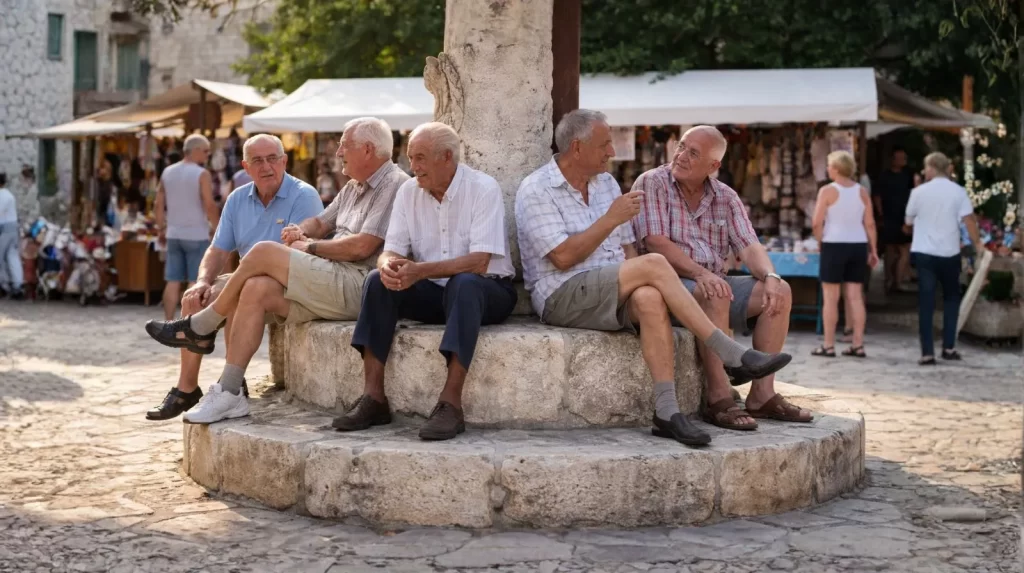
Key Takeaways (Benefits of retirement in Croatia)
- Croatia can offer a higher quality lifestyle for less than the US, UK, and much of Western Europe, especially for retirees who live locally and rent long-term.
- Your retirement cost depends more on lifestyle than averages. Inland areas and parts of Istria can feel affordable, while coastal tourist centers and new apartments can raise costs fast.
- Healthcare is manageable with the right setup: many retirees use a hybrid approach (public system for long-term security + private clinics for speed and English-speaking access).
- The biggest “success factor” is planning: visa pathway, healthcare registration, housing strategy, and location choice matter more than “how popular Croatia is.”
Your Money Goes Further (Without Feeling Like You’re “Downsizing”)
Croatia’s location is another quiet advantage that many people overlook. Unlike island nations like Malta, or countries on the far edge of the EU such as Greece, Croatia sits right at the crossroads of Central and Southeast Europe. It borders or sits within easy driving distance of Austria, Germany, Italy, and Hungary, some of Europe’s main economic and healthcare hubs. For retirees, this means simpler mainland access: road travel instead of constant flights, easier logistics, and the ability to move between countries without feeling geographically “cut off.” If staying connected to the European mainland matters to your retirement lifestyle, Croatia’s position offers a level of practicality that Malta and Greece simply can’t match.
One of the biggest reasons retirees choose Croatia is simple: your cost of living can drop significantly compared to the US, UK, and Western Europe while your lifestyle often improves.
Everyday expenses like groceries, utilities, dining out, and services tend to be more affordable, and it’s still possible to live in attractive areas without paying “capital city prices.”
This matters because retirement should feel like freedom, not like constant budgeting.
Key Benefits of Retirement in Croatia (Quick Overview)
Retiring in Croatia offers a combination of lifestyle quality and EU-level stability. The main benefits include:
Affordable cost of living
Many retirees live comfortably on €1,200–€2,000 per month depending on location and housing.
Mediterranean climate
Coastal regions offer mild winters and warm summers with over 2,500 hours of sunshine per year.
High safety levels
Croatia consistently ranks among the safest countries in Europe with low violent crime rates.
EU and Schengen stability
As an EU and Eurozone member, Croatia offers political stability and easy travel across Europe.
Healthcare access
Retirees can access the public healthcare system and supplement with affordable private clinics.
Legal residency pathway
Temporary residence can be renewed annually, with permanent residence possible after five years of continuous stay.
Favorable tax structure (case-dependent)
Croatia has double taxation treaties with many countries. Pension taxation depends on residency status and treaty allocation of taxing rights.
Financial Benefits of Retirement in Croatia
- No wealth tax
- No inheritance tax for close family
- 10%–18% corporate tax (if running small business)
- Property tax relatively low compared to Western Europe
- Double taxation treaties with 60+ countries
Cost to Retire in Croatia
The cost to retire in Croatia is highly flexible, and it depends far more on your choices than on national “average” numbers. Two couples can live in the same city with completely different monthly budgets based on:
- long-term rent vs short-term/seasonal pricing
- tourist-center living vs local neighborhoods
- dining out habits and lifestyle extras
- whether you choose new-build apartments or older housing stock
As a practical benchmark: Couples living locally in inland Croatia or Istria often spend ~€1,200–€1,800/month, while coastal tourist centers and newer apartments can push this closer to €2,000–€2,500/month.
For a deeper breakdown (city comparisons, rent scenarios, healthcare cost, and realistic budgets by retirement style), see our full guide here
Comfortable Living, Even on a Moderate Retirement Income
Croatia isn’t only for “ultra wealthy” retirees. Many people move because they can live well on a reasonable monthly income especially if they avoid peak-season coastal rent spikes and choose the right city.
That said, if you’re retiring with a higher income, Croatia can feel like an upgrade in almost every category: better housing, better location, more dining out, more travel, and less financial pressure.
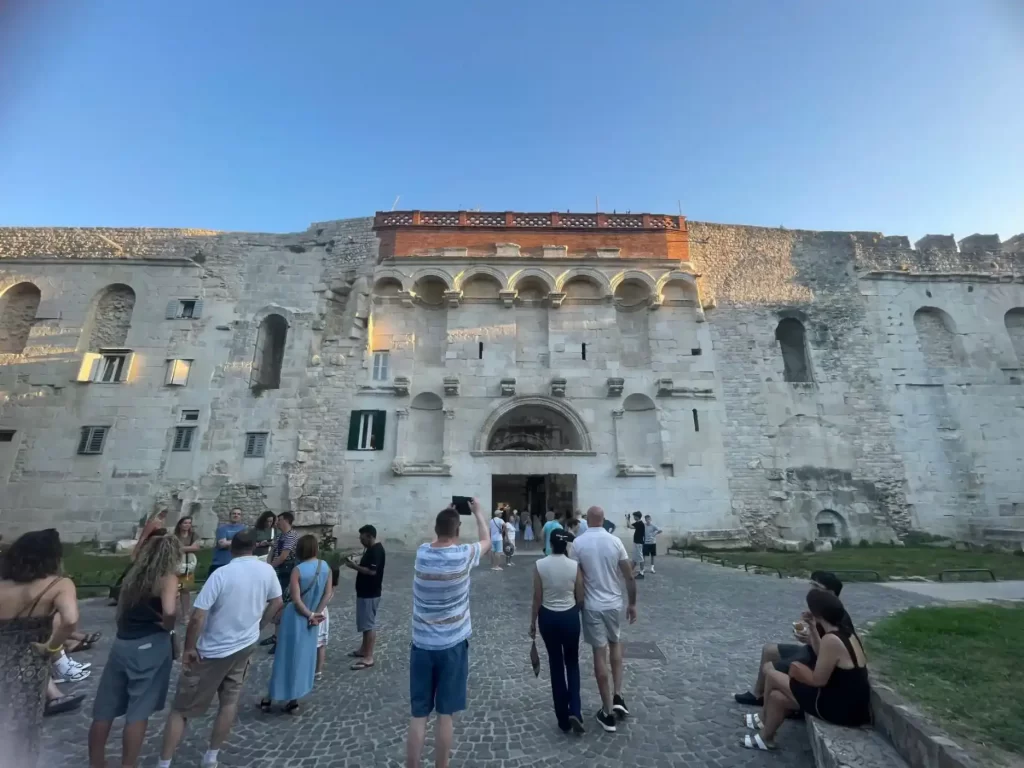
Private Healthcare Is Accessible (and Often More Affordable Than You’d Expect)
Healthcare is a major decision point for retirees, and Croatia is attractive because:
- private clinics are widely available
- wait times can be shorter than public systems
- costs are often far below US pricing
For many expats, it’s the combination of quality + affordability that makes Croatia feel “retirement-friendly.”
It’s One of the Safer Places to Live in Europe
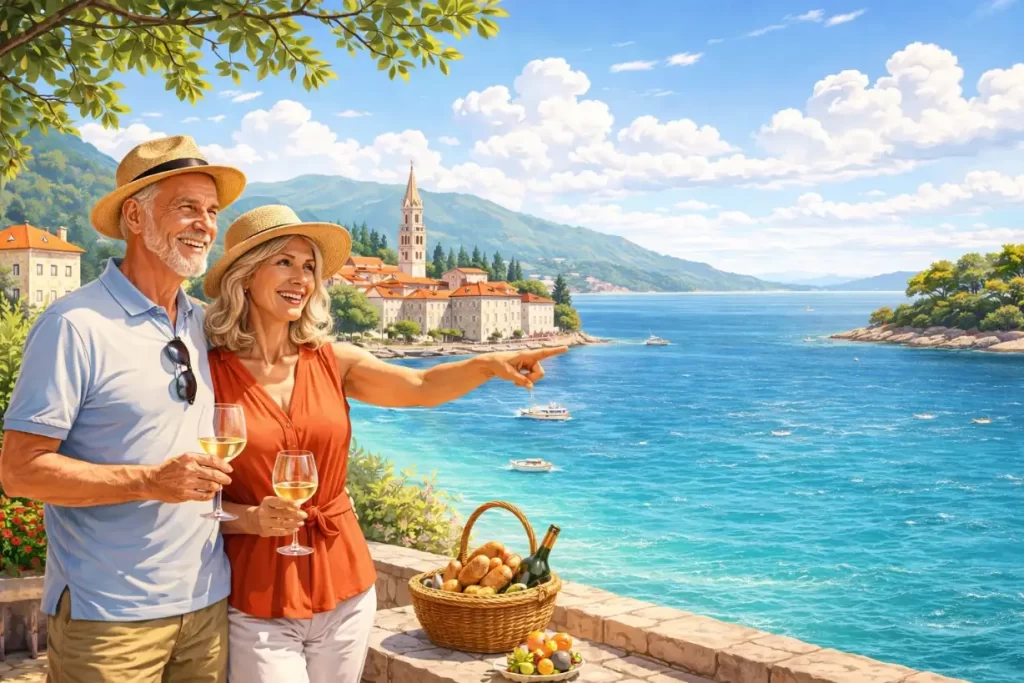
Many retirees prioritize peace of mind, not just pretty scenery.
Croatia is widely considered a safe country with low violent crime, especially compared to many large cities in the US and parts of Western Europe. That translates into a lifestyle that feels calmer: walking at night, using public transport, and simply living without constant stress.
Retiring in Croatia as an American
For Americans, retiring in Croatia can be a strong lifestyle upgrade but it requires more planning than an EU citizen would need. The key topics usually include:
- Healthcare planning: many Americans start with international private insurance, then transition into Croatia’s system after residence approval
- Taxes and residency status: how your income is treated depends on tax residency rules and income type (Social Security, pensions, investments, etc.)
- Paperwork expectations: Croatia is document-heavy, and having the right support can save months of stress
If you’re a US citizen and want the Croatia retirement pathway explained specifically for Americans, start here:
Retiring in Croatia: The Overall Picture (What to Consider Before You Move)
Croatia is often described as Europe’s “quiet achiever” for retirement: safe, scenic, and surprisingly livable if you choose the right region and plan your residence correctly. But retirement here isn’t only about beaches and low prices, it’s about lifestyle fit.
Before moving, most retirees should think through:
- Where you’ll live year-round (coastal vs inland, seasonal crowds, healthcare access)
- How daily life actually works (language, local rhythm, paperwork, slower bureaucracy)
- Healthcare setup (public registration vs private clinics, insurance strategy)
- Your residency pathway (EU vs non-EU requirements and timing)
If you want the full step-by-step overview of what retirement in Croatia looks like in real life from residence basics to lifestyle planning, start here:
“In Croatia, retirement costs aren’t one fixed number, your lifestyle and location decide everything. Live locally and rent long-term, and it can feel surprisingly affordable. Choose tourist-center living, and the budget changes fast.”
Croatia Is a Strong Base for Travel (Especially in Retirement)
Once you retire, time becomes your biggest asset and Croatia’s location makes travel easier.
From Croatia, you can explore nearby European countries through:
- short flights from major airports
- long-distance buses
- ferries along the coast and islands
For retirees who still want adventure, Croatia offers a balance: quiet daily life + easy access to the rest of Europe.
Real Estate Access Can Be Simpler Than in Other EU Countries
For many foreign retirees, buying a home abroad is a long-term goal whether it’s a coastal apartment, a smaller inland home, or a renovation project.
Croatia can be attractive because foreigners may be able to purchase property under the principle of reciprocity (depending on nationality and legal conditions).
This is one of those areas where the details matter, so it’s worth getting proper guidance before committing.
Who Croatia Is Best For (and Who Should Think Twice)
Croatia can be an excellent retirement base but it’s not a perfect match for every retiree. The best experiences usually come from people whose expectations align with how Croatia actually works day-to-day.
Croatia is best for you if…
- You want a slower, calmer lifestyle with strong safety and a relaxed social rhythm
- You’re happy living outside tourist-center hotspots (or you can handle seasonal crowds)
- You prefer value and quality of life over luxury convenience
- You’re comfortable with a country where processes take time and paperwork is part of life
- You like the idea of a European base with easy access to nearby countries
- You’re open to a hybrid healthcare approach (public system for long-term security + private clinics for speed/English)
You should think twice if…
- You’re not willing to plan the move properly: residence, housing, and healthcare setup matter more here than most people expect
- You need everything to be fast, digital, and friction-free (Croatia can be document-heavy)
- You don’t want to deal with language barriers outside major cities
- You expect a “resort lifestyle” year-round in coastal cities (summer can be crowded and expensive)
- You want to work locally after moving (salaries are often lower than Western standards)
You can discover more real-life pros and cons of moving to Croatia here: Pros and Cons of Living in Croatia: An Asian Digital Nomad’s Perspective
How to Retire in Croatia (Legally)
If you’re serious about moving, the biggest question becomes: what residence option can you use as a retiree?
Most non-EU nationals need to secure a Temporary Residence Permit (TRP) before they can live here long-term. In practice, this means proving you have a stable source of income (pension, savings, investments), valid health insurance, and a confirmed place to live in Croatia, along with completing the required paperwork and registration steps.
The exact requirements and process depend on your nationality and where you apply (inside Croatia vs through a consulate), so it’s important to plan the TRP timeline early. For the full retirement visa pathway, requirements, and step-by-step guidance, see our detailed guide here:
Considering Croatia for retirement?
If you’re seriously thinking about retiring in Croatia, the best next step is not guessing from average, it’s mapping out your personal retirement plan based on:
- your nationality (EU vs non-EU)
- your preferred region (coastal vs inland, seasonal vs year-round)
- your healthcare needs (private-first vs public registration strategy)
- your income structure (pension, Social Security, investments, rentals)
- your housing plan (rent first vs buy property, timeline, and paperwork)
Croatia can be a fantastic retirement base when the move is structured correctly from day one especially if you want fewer surprises with residence rules, healthcare access, and long-term living costs.
FAQ – Benefits of retirement in Croatia
Is Croatia a good retirement destination?
Yes, for many retirees, Croatia offers a rare mix of safety, a slower Mediterranean pace, accessible healthcare, and a cost of living that can be more reasonable than the US, UK, and Western Europe. The key is choosing the right location (coastal vs inland), planning for seasonality, and structuring your residence and healthcare correctly from day one.
Is Croatia affordable for American retirees?
Often yes. Many Americans find Croatia significantly cheaper than the US for housing, dining, and private healthcare. The key is planning for residence rules, insurance, and how taxes apply to your income type.
Do retirees need private health insurance in Croatia?
Most non-EU retirees start with private international insurance for the residence process. After approval, many register for Croatia’s public healthcare system (HZZO) and still use private clinics for convenience.
What is the biggest hidden cost of retiring in Croatia?
Seasonal housing prices in coastal cities, plus “setup costs” like paperwork, translations, insurance, and administrative steps. These aren’t always obvious when people only look at monthly averages.
Is Croatia a good place to retire long-term?
It can be, especially if you prioritize safety, slower living, nature, and EU stability. The best experience usually comes from choosing the right region and structuring your residency and healthcare correctly.