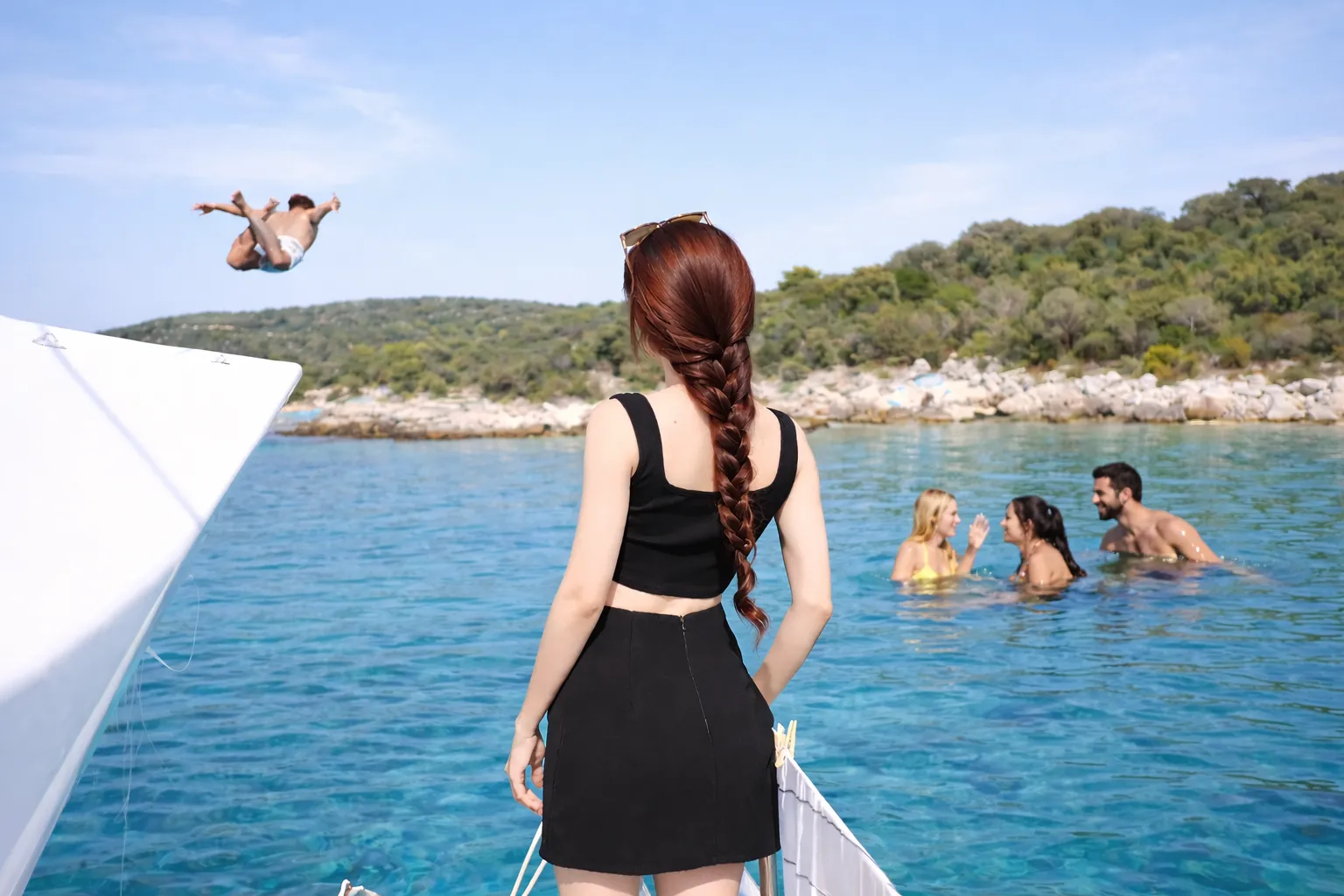
Living in Croatia has quietly become a serious option for expats, digital nomads, and retirees who are looking for a safer, slower, and more affordable European lifestyle, without giving up culture, food, or natural beauty.
This guide is not written to sell you a dream. Instead, we walk through what living in Croatia is really like, including costs, lifestyle differences, regional realities, and the less-talked-about downsides. If you are considering moving to Croatia from the US, UK, Vietnam, Australia, New Zealand, or elsewhere, this meant to help you decide whether Croatia fits your life, not the other way around.
Is Croatia a Good Place to Live?
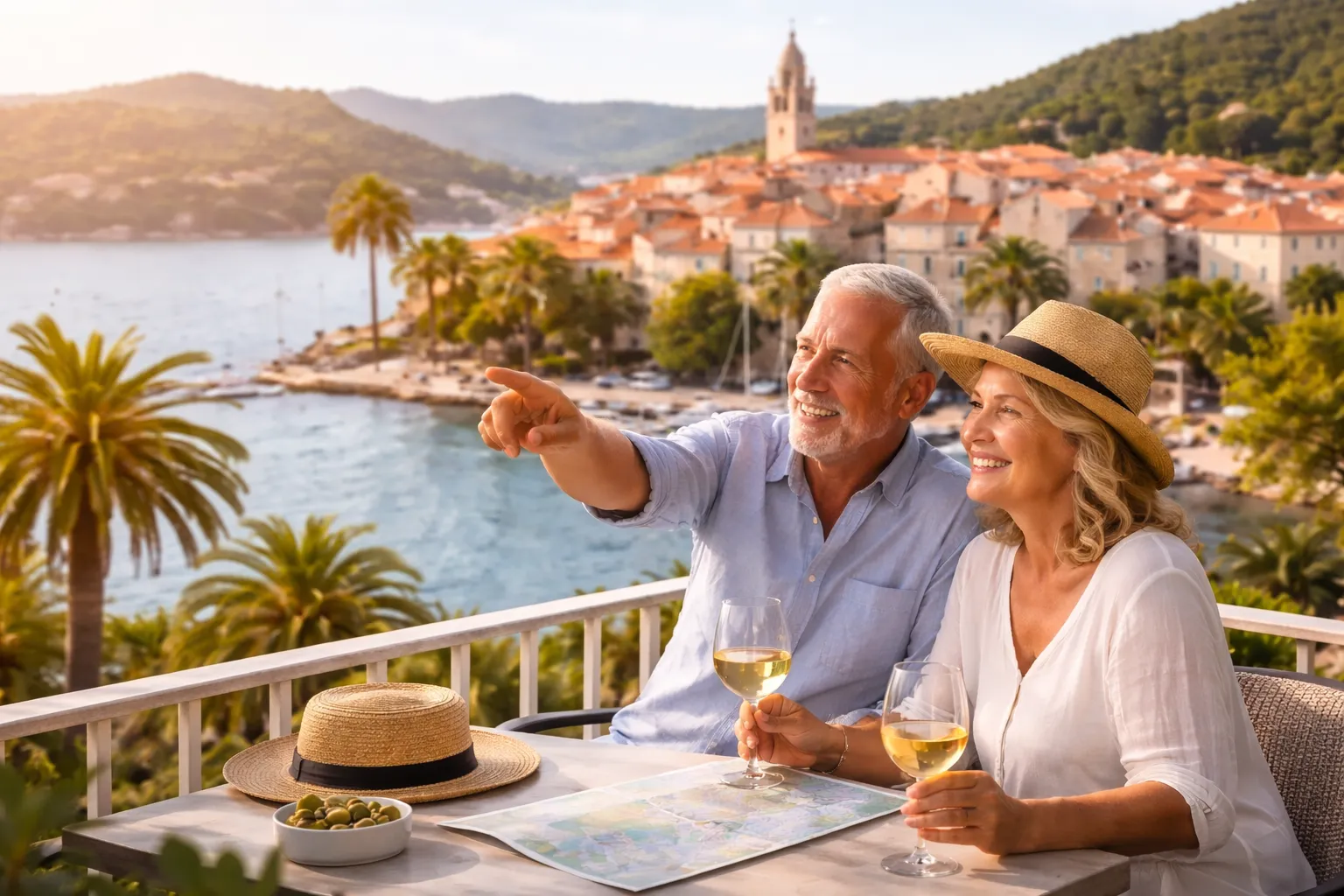
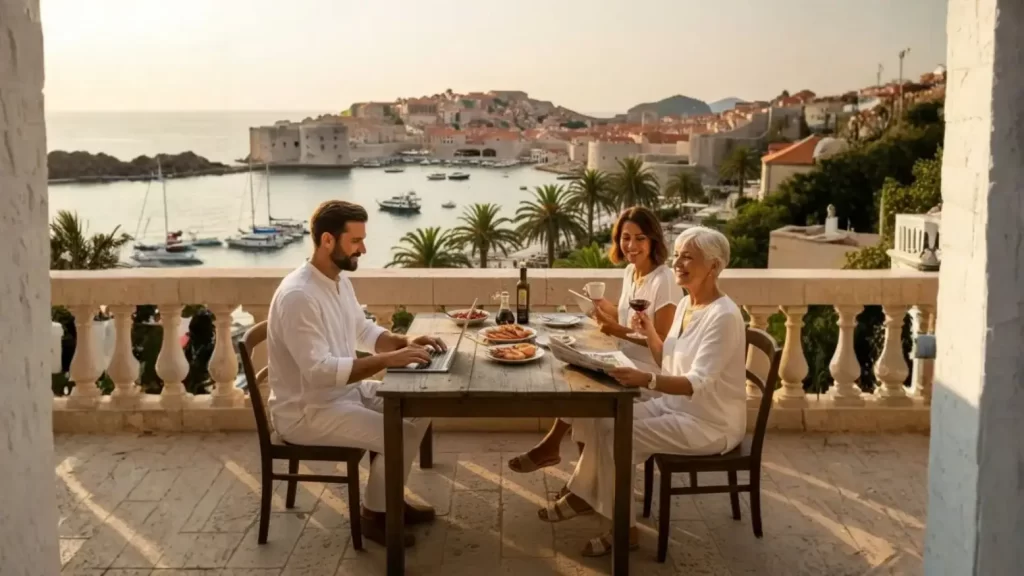
Yes, for the right profile, Croatia can be an excellent place to live. It consistently ranks as one of Europe’s safest countries and offers a relaxed Mediterranean lifestyle, access to the EU and Schengen area, and lower everyday costs than most of Western Europe. Many expats, digital nomads, and retirees choose Croatia for its coastline, walkable cities, strong café culture, and slower pace of life.
However, Croatia is not ideal for everyone. Bureaucracy can be slow, local salaries are relatively low, and administrative processes often require patience. Croatia works best for people with remote income, savings, pensions, or internationally structured businesses who value safety, lifestyle, and long-term stability over rapid career acceleration.
If your priority is quality of life rather than speed, Croatia often makes sense.
What Living in Croatia Is Really Like
The biggest adjustment most foreigners notice when living in Croatia is pace.
Daily life moves slower than in Western Europe, North America, or Australia. Coffee is not something you rush through. Meetings start later. Administrative tasks take time. Family, social life, and personal time are often prioritized over efficiency.
This slower rhythm is one of the main reasons people choose living in Croatia. It supports a healthier work–life balance and reduces everyday stress, especially for those coming from fast-paced professional environments.
At the same time, patience is essential. Systems are more traditional, and progress can feel slow if you expect instant results.
Why people are drawn to living in Croatia
- Strong work–life balance
- High personal safety
- Beautiful nature and coastline
- Lower everyday costs compared to Western Europe
- A social culture that values relationships over speed
Setting realistic expectations
Living in Croatia is rewarding, but it requires patience. Bureaucracy can be slow, salaries are lower, and systems are not always optimized. People who thrive here tend to adapt to Croatia’s rhythm rather than fight it.
This section supports the moving to Croatia intent: understanding lifestyle before logistics.
Bad Things About Living in Croatia
No guide on living in Croatia is complete without honesty.
Living in Croatia offers a great quality of life, but it comes with trade-offs that are important to understand upfront. Bureaucracy can be slow and paperwork-heavy, especially for residence permits and registrations. Local salaries are relatively low compared to Western Europe, the US, or Australia, which is why many foreigners rely on remote income or savings.
In coastal areas, life changes dramatically outside the summer season, with quieter winters and fewer services available. While English is widely spoken socially, official procedures are usually handled in Croatian, which can be challenging without language support.
For those who adapt to its pace and systems, these issues are manageable.
Common challenges
- Bureaucracy and paperwork delays
- Language dependency in administration
- Limited local job market
- Seasonal tourism pressure
- Winter air quality issues in inland cities
This is where working with an experienced, Croatia-based legal team makes a meaningful difference.
At Mandracchio Capital, we guide you through administrative procedures, documentation, and long-term structuring so that these challenges are managed proactively, not discovered the hard way.
With the right legal support, Croatia becomes predictable, navigable, and stable, exactly what long-term residents, founders, and retirees need.
Best Places to Live in Croatia
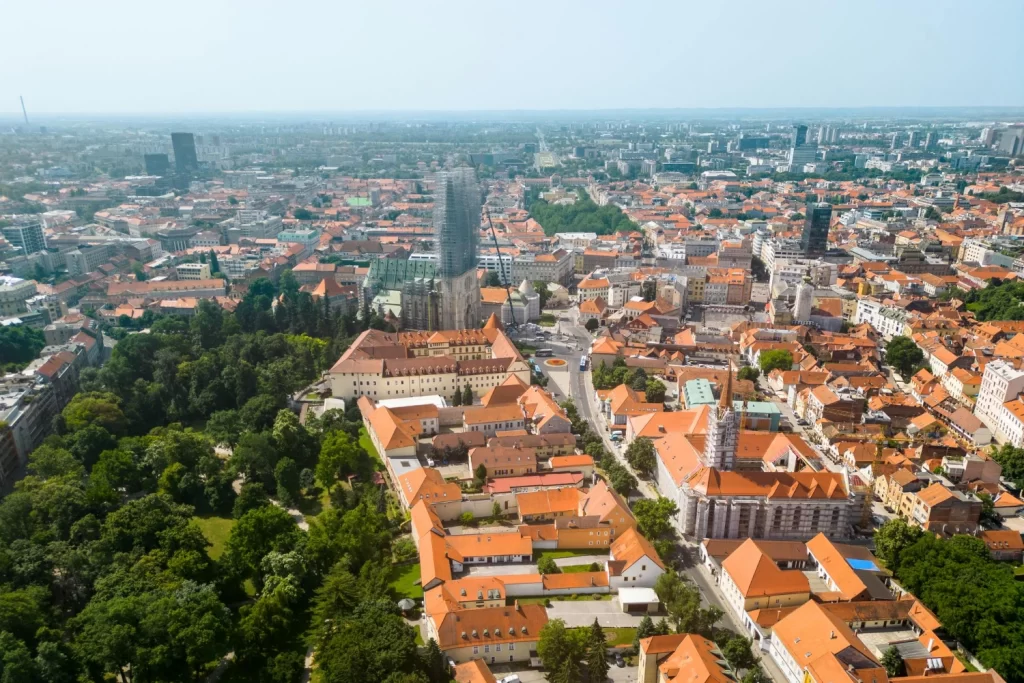
Where you live matters more than the country itself. Living in Croatia can feel completely different depending on the city or region you choose.
Some foreigners imagine Croatia as a uniform Mediterranean lifestyle. In reality, Zagreb, Split, Istria, and inland regions operate at very different speeds.
Popular regions for foreigners
- Zagreb – urban life, year-round activity, culture, and jobs
- Split – coastal city with strong expat and digital nomad communities
- Zadar & Rijeka – smaller cities balancing tourism and local life
- Istria (Rovinj, Pula) – peaceful, refined, but highly seasonal
- Islands & small towns – beautiful but quiet outside summer
Lifestyle, budget, and work style should guide your choice more than scenery alone.
Explore the best places to live in Croatia for expats, nomads, and retirees: Best Places to Live in Croatia for Expats and Digital Nomads
Living in Croatia as a Digital Nomad

Living in Croatia as a digital nomad has become increasingly popular due to:
- A dedicated Digital Nomad residence permit
- Good internet infrastructure
- Safe cities and cafés suitable for work
Foreign income is generally not taxed locally under the digital nomad framework, but tax residency in your home country still applies.
Coworking Spaces
Croatia has a growing coworking scene, especially in Split, Zagreb, and Zadar. Most digital nomads rotate between coworking spaces and cafés.
- Split & Zagreb: Multiple professional coworking spaces
- Monthly passes are affordable compared to Western Europe
- Many spaces host meetups and networking events
Working from Cafés
Croatia has one of Europe’s strongest café cultures.
- Long laptop sessions are socially accepted
- Wi-Fi is usually reliable
- Ordering one coffee per hour is enough
- Seafront cafés in Split and Zadar are DN favorites
What surprises nomads:
- Cafés are for sitting, not rushing
- Nobody asks you to leave
- Power outlets are common
Unspoken Concerns Every Digital Nomad Has
- Bureaucracy feels slow and formal
- Some coastal towns are very quiet in winter
- Finding long-term housing during summer is competitive
Language & Food Notes for DN
- English widely spoken in cities
- Croatian not required short-term
- Food scene: Mediterranean + Balkan
- Plenty of vegetarian options, fewer vegan in smaller towns
Popular digital nomad locations include:
- Split
- Zagreb
- Zadar
- Coastal towns during shoulder seasons
Split consistently ranks as one of the easiest Croatian cities for digital nomads because daily life simply works. Reliable Wi-Fi is the norm,not just in coworking spaces, but in cafés, apartments, and even along the seafront. Working for hours in cafés is socially accepted here; long laptop sessions over coffee are part of the local rhythm, especially outside peak tourist hours.
Beyond infrastructure, Split offers something many nomad hubs lack: community. Coworking spaces, language exchanges, and informal meetups make it easy to connect without effort, so isolation rarely becomes an issue. On the legal side, the Croatia digital nomad residence permit provides clarity and peace of mind, allowing you to stay long-term without local tax on foreign income when structured correctly.
Add to that the city’s daily convenience, gyms within walking distance, fresh food markets, affordable bakeries, efficient public transport, and ferries to nearby islands, and Split becomes less of a temporary base and more of a place where remote work fits naturally into everyday life.
Living in Croatia as an Expat
Long-term expats experience Croatia differently than short-term visitors.
What Other Expats Care About Most
- Daily convenience
- Proximity to healthcare, schools, offices
- Long-term housing stability
- Integration, not tourism
- “Can I live normally here?”
The Reality in Cities Like Split
Convenience & Access
Split is compact and walkable.
- Hospitals, clinics, pharmacies within 10–20 minutes
- Beaches accessible after work
- Cafés, bakeries, gyms everywhere
- Public transport covers most areas
Sunday Reality
- Many supermarkets close or operate limited hours on Sunday
- Small local shops and bakeries stay open
- Planning ahead becomes second nature
Most expats adjust quickly, but it surprises newcomers.
Things Most Expats Care About More Than Beaches
- Government offices are in Croatian
- Paperwork requires physical presence
- Processes take longer than expected
Language & Integration
- English works for daily life
- Croatian becomes essential for:
- MUP (police)
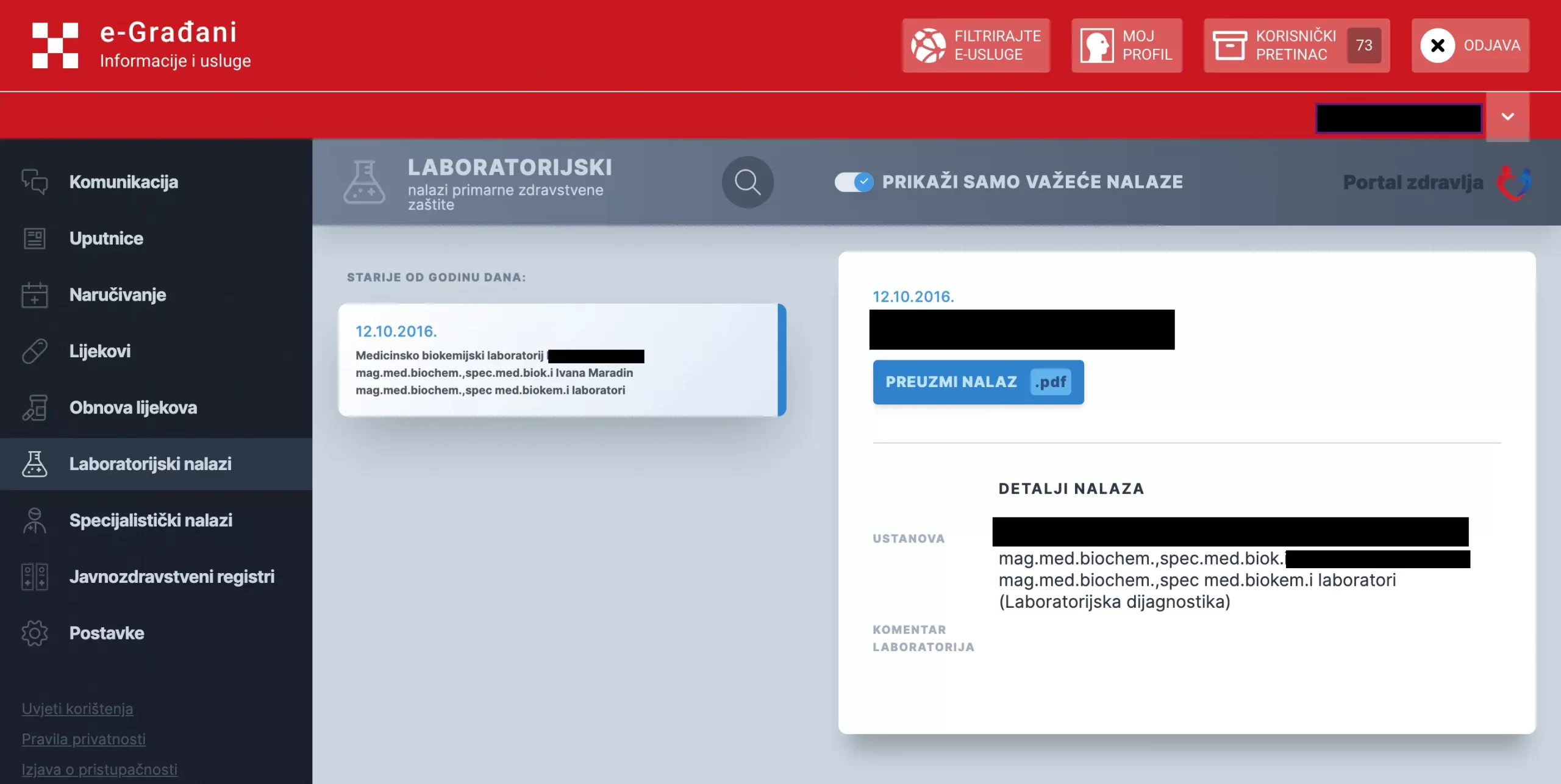
- Healthcare admin
- Property matters
- Learning basic Croatian dramatically improves life quality
Food & Lifestyle
- Fresh produce and seafood
- Strong market culture
- Eating out is affordable compared to Western Europe
- Home cooking becomes part of the lifestyle
Daily life
- Slower administrative processes
- Strong neighborhood culture
- Less emphasis on formal hierarchies
Bureaucracy
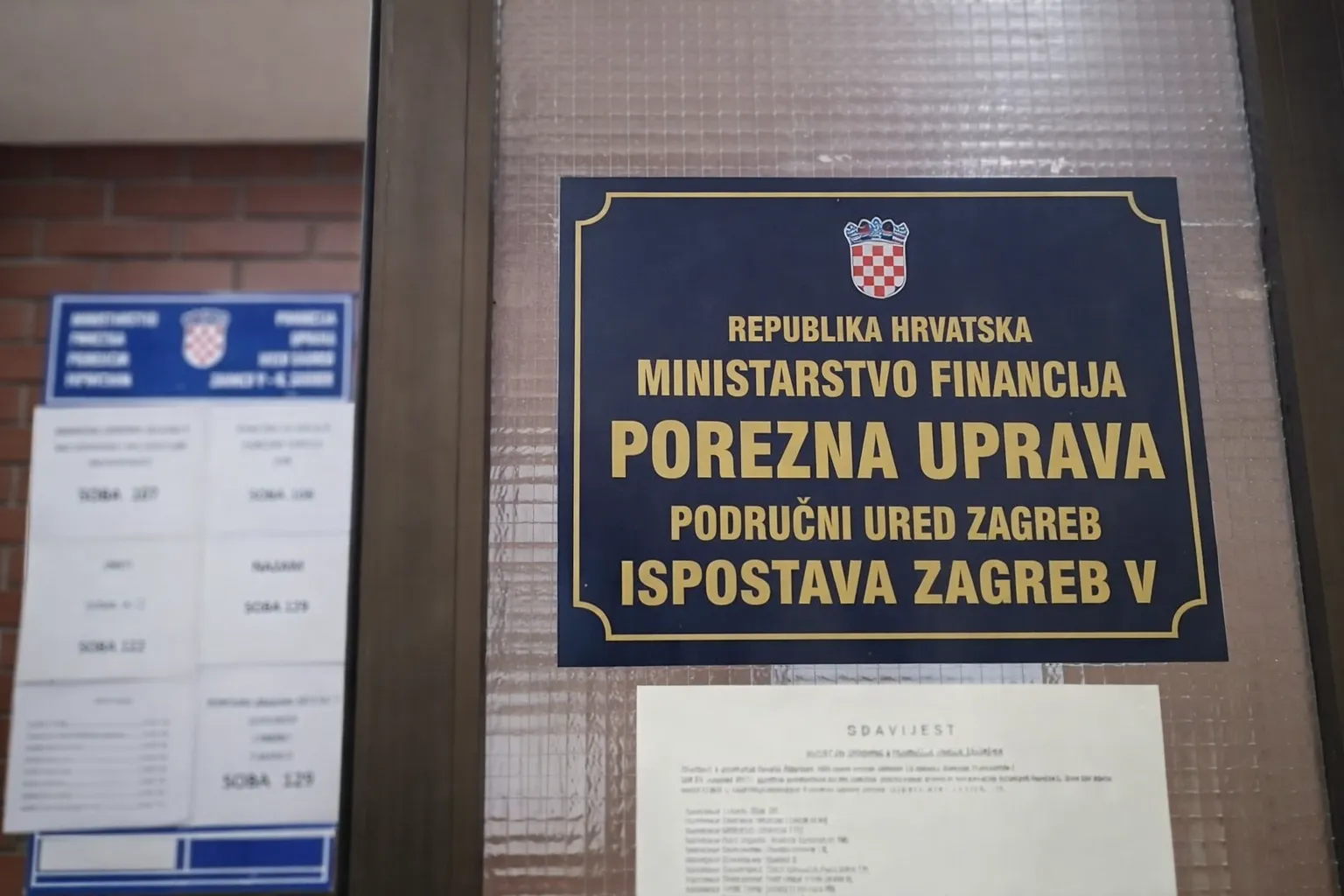
Expect paperwork, patience, and in-person visits. This is often the most challenging part of living in Croatia.
Retire in Croatia
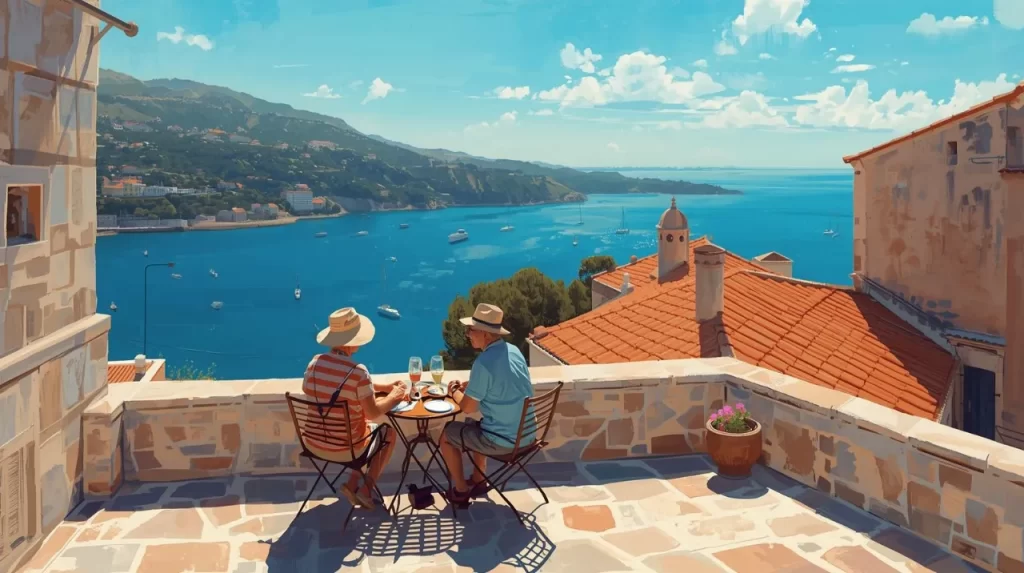
Many choose to retire in Croatia for quality of life rather than luxury, excitement or trends. What matters more is peace of mind, feeling safe in your neighborhood, being able to walk daily without stress, and knowing healthcare is accessible when you need it.
Many retirees are drawn to Croatia’s slower rhythm of life, where parks, coastal promenades, and nature are part of everyday routines. Community often replaces nightlife as the priority: familiar faces, local cafés, and a sense of belonging. Just as important is cost predictability, knowing your monthly expenses won’t fluctuate wildly, allowing you to enjoy retirement without financial anxiety.
Explore possible routes to retire in Croatia: How to Retire in Croatia as a Foreigner: Croatia Retirement Visa
Nature & Outdoor Life
Croatia is ideal for retirees who value nature.
- Daily walks along the sea
- Public parks everywhere
- Clean air and low pollution
- National parks within day-trip distance
Coastal promenades in Split, Zadar, and Istria are heavily used by locals, not tourists.
Slower Rhythm
- Shops open early, close early
- Evenings are calm
- Social life revolves around cafés and walks
Healthcare
Public healthcare is accessible, but many retirees supplement with private care for speed and comfort.
Language & Food for Retirees
- English works socially
- Croatian helps with doctors and paperwork
- Food is fresh, seasonal, and simple
- Mediterranean diet suits long-term health
Coastal vs inland
Coastal living offers beauty but seasonality. Inland areas are quieter and cheaper year-round.
Ready to make Croatia your home? Click here to learn everything you need to know about how to get temporary residency in Croatia from the application process and required documents to where to apply and a detailed breakdown of the fees involved
Moving to Croatia as a Foreigner
Move to Croatia from UK

Post-Brexit, UK citizens must navigate residence permits more carefully. Costs are manageable, but planning is essential.
Popular locations include:
- Istria
- Split
- Zagreb
See what US citizens should know before moving to and living in Croatia: Move to Croatia From the UK – From Temporary to Permanent Residence
Move to Croatia from Vietnam

Vietnamese expats often highlight:
- Cultural adjustment
- Strong family orientation
- Smaller but close-knit communities
Explore the full guide to moving to Croatia from Vietnam and what Vietnamese expats should expect: Move to Croatia From Vietnam: First-time Europe shock for Vietnamese
Move to Croatia from US – Living in Croatia as an American
Living in Croatia as an American requires awareness of:
- US worldwide taxation
- Banking compliance (FATCA)
- Documentation expectations
Culturally, Americans often need time to adjust to:
- Slower communication
- Less urgency in professional settings
- More informal social norms
Those who adapt tend to stay long-term.
Read the complete guide: Move to Croatia from US, including Croatia Cost of Living vs US here
Living in Croatia vs Australia
Australians notice a major lifestyle shift.
- Croatia is slower and less formal
- Social life revolves around cafés and family
- Safety is significantly higher
Financial reality:
Local salaries are much lower. Successful moves usually involve remote work or savings.
Istria note:
Winter life is quiet. Spending a winter before committing is strongly recommended.
Cost of Living in Croatia (Overview)
The cost of living in Croatia is lower than in most of Western Europe, but it is not “cheap” in the way many expect.
Living in Croatia is affordable if:
- You earn foreign income
- You live outside tourist hotspots
- You adapt to local habits
Costs rise sharply in coastal cities during summer and in central locations.
Many newcomers underestimate:
- Seasonal rent increases
- Energy costs in winter
- Private healthcare expenses
This blog addresses cost of living in Croatia and how expensive is Croatia from a realistic perspective.
Understanding overall living expenses in Croatia helps avoid financial surprises.
Rent
- Long-term rent (1-bedroom): €500–€800 (city-dependent)
- Short-term or tourist rent: significantly higher
- Coastal locations peak in summer
Utilities & Internet
- Utilities: €100–€180/month
- Internet & mobile: reliable and affordable
Groceries & Dining
- Local markets are affordable and high quality
- Dining out is cheaper than Western Europe but rising
Transportation
- Public transport is inexpensive
- Many cities are walkable
- Cars are common outside city centers
Healthcare & Insurance
- Public healthcare is available but slow
- Many expats use private clinics
Lifestyle & Leisure
- Cafés, markets, and outdoor activities are affordable
- Imported goods cost more
Overall, living expenses in Croatia vary widely based on location and lifestyle.
Pros and Cons of Living in Croatia
Pros of Living in Croatia
- Safety: Croatia is widely perceived as one of Europe’s safer countries, with low violent crime and a strong everyday sense of security.
- Quality of life: Mediterranean climate, coastline, walkable cities, café culture, and strong “outdoor life” rhythm.
- Cost of living (vs Western Europe): Daily costs can be lower than many Western EU countries, though coastal hotspots (e.g., Split, Dubrovnik) spike in summer.
- EU + Schengen access: Stable EU framework and easier regional travel and cross-border planning once you are legally settled.
- Community: Friendly local culture and a growing expat/digital nomad scene, especially in Split, Zagreb, and Istria.
Cons of Living in Croatia
- Bureaucracy: Administrative procedures can be slow, in-person, and document-heavy (though the system is gradually digitalising).
- Wages & jobs: Local salaries are lower than Western Europe/US/UK, so many foreigners rely on remote income, savings, pensions, or business income.
- Seasonality: Coastal towns can feel very quiet in winter; housing and services are most intense in summer.
- Language: English works socially in many areas, but Croatian becomes important for long-term integration and official procedures.
Is Moving to Croatia Right for You?
Living in Croatia is a great fit if you:
- Value safety and lifestyle over income growth
- Can earn remotely or independently
- Are patient with systems
- Enjoy community-oriented cultures
You may struggle if you:
- Need fast bureaucracy
- Rely on local salaries
- Prefer high-speed professional environments
With the right legal guidance and local support, these obstacles become manageable. Once the administrative side is handled properly, most people find that living in Croatia becomes significantly simpler, more predictable, and far more enjoyable.
For those who find that Croatia aligns with their lifestyle goals but feel uncertain about the legal or administrative framework, understanding residence options, business structures, and compliance requirements early can help reduce complexity and avoid unnecessary obstacles.
FAQ: Living in Croatia
Is Croatia expensive to live in?
Compared to Western Europe and the US, no, but costs depend heavily on location and lifestyle.
Is Croatia safe for foreigners?
Yes. It is one of the safest countries in Europe.
Can foreigners live in Croatia long term?
Yes, with the appropriate residence status.
Is Croatia a good place to retire?
Yes, especially for retirees seeking safety, climate, and affordability.
Do I need to speak Croatian?
You can live without it, but learning Croatian significantly improves daily life.
How to Retire in Croatia?
To retire in Croatia, non-EU citizens need a Temporary Residence Permit, as there’s no specific retirement visa, focusing on financial independence through pensions/savings, property ownership (used as home), or long-term rent (12-month registered lease). You’ll apply for a visa at a Croatian embassy, then a residency permit in Croatia, proving funds (around €1,200-€1,500/month) and securing housing, with annual renewals possible and a path to permanent residency after five years with some basic Croatian language skills.
Is Croatia a good place to retire to?
Yes. For many expats, retire in Croatia means safety, affordability, and a Mediterranean lifestyle with reliable healthcare and EU stability.
What are the requirements to retire in Croatia?
Non-EU retirees need a Temporary Residence Permit, proof of funds, health insurance, accommodation, and apostilled documents.
How much money do I need to retire in Croatia?
Most couples budget €1,200 – €2,000/month. Your cost to retire in Croatia depends on location, housing, and healthcare choices.
Can an American retire in Croatia?
Yes. Retiring in Croatia as an American is common. US citizens apply for temporary residence and renew annually, with a path to permanent residence after five years.
Can I retire to Croatia from the US permanently?
Yes. Many US citizens retiring in Croatia start with temporary residence, then apply for permanent residence after five continuous years.
What are the best places to retire in Croatia?
Top choices include Istria, Split or Zadar (Dalmatia), Opatija (Kvarner), Zagreb, and budget-friendly inland regions like Lika.
Do I need to take a Croatian language exam?
Usually, yes. As a “Third Country National” (non-EU/EEA), you must prove proficiency in the Croatian language and the Latin script. You are exempt only if you are over 65 years old, a preschooler, or if you completed high school or university in Croatia.
Is Croatia a good place to retire for expats?
Yes. Croatia is considered one of the best expat retirement countries due to safety, English proficiency, and EU protections.
What are the most common TRP pathways for retirees in Croatia?
1. Long-term lease (sometimes prepaid): A lease is commonly used to prove secured accommodation for TRP applications.
2. Property ownership: Buying a home doesn’t grant residence automatically, but it can support a TRP file as proof of accommodation.
3. Digital Nomad Residence (up to 12 months): Available for remote workers with foreign-sourced income; not a retiree-specific permit.
What type of income do I need monthly or yearly to retire in Croatia?
There isn’t one perfect number, but a comfortable retirement budget depends on where you live (coastal vs inland), whether you rent long-term, and how often you use private healthcare. Many retirees aim for a stable monthly income that covers rent, living costs, insurance, and travel.
What is the price range to rent a house close to the water in Croatia?
Rent near the sea is highly seasonal. Long-term rentals can be reasonable in some coastal towns, but prices rise sharply in tourist hotspots and during summer. The closer you are to the beach (and the newer the apartment), the higher the rent tends to be.
What are the average costs in Croatia for food, rent, medical, and daily life?
Costs vary a lot by location and lifestyle. Inland cities and long-term rentals are usually more affordable, while coastal tourist areas (especially in summer) can be significantly higher. Most retirees budget for housing, groceries, utilities, transport, and a mix of public/private healthcare.
How easy is it to travel from Croatia to other countries in Europe?
Very easy. Croatia is in the EU and Schengen, which makes regional travel simple. Many retirees enjoy quick access to Italy, Slovenia, Austria, Hungary, and other European destinations by flight, car, or ferry.
How hard is it to start a business in Croatia or move a US business there?
It’s doable, but it’s not “plug-and-play.” The difficulty depends on your industry, licensing requirements, tax setup, and whether you need residence through the business. The best outcomes usually come from proper legal structuring from day one and realistic expectations about administration.
English is my first language, how hard is it to communicate in Croatia? Will everyone speak English?
In major cities and coastal areas, English is widely spoken especially in tourism, restaurants, and younger communities. However, not everyone speaks English fluently, and official procedures (government offices, forms, legal steps) often require Croatian. Many retirees manage well day-to-day with English, but learning basic Croatian helps a lot for smoother integration.