Starting a business in Croatia is not overly complex, but many foreign founders make avoidable mistakes early on. These errors rarely come from bad intentions, they come from choosing the wrong structure, underestimating legal and tax details, or relying on informal advice.
Below are the most common issues we see in practice, and how to think about them more clearly.

Top Legal & Operational Pitfalls
Before diving into the detailed explanations below, here is a structured snapshot of where most foreign founders go wrong:
1. Choosing the Wrong Business Structure
Many foreigners default to opening a d.o.o. (limited liability company) with VAT registration without assessing whether it aligns with their scale, risk exposure, and tax position.
For smaller operations, a paušalni obrt may be more efficient but remember: you are personally liable, as you and the business are legally the same.
2. Entering Partnerships Without Clear Agreements
Trust is not a substitute for documentation. Undefined roles, unclear decision-making authority, and 50/50 ownership without exit mechanisms are recurring structural weaknesses. Problems rarely appear at formation, they surface under pressure.
3. Structuring Joint Investments Improperly
When investing in land, development projects, or shared ventures, holding assets personally instead of through a properly structured company often creates tax and liability exposure. A d.o.o. typically provides cleaner ownership records, defined responsibilities, and smoother exits.
4. Misunderstanding Croatia’s Tax Framework
Croatia’s system is not universally “high tax.” In fact, for lean businesses with few employees, it can be efficient when structured correctly.
Legitimate deductions, including partial rent allocation for workspace ,are often overlooked due to incorrect assumptions.
5. Underestimating the Role of Professional Support
Not all accountants provide proactive guidance. Missed filings, poor communication, or reactive advice can lead to unnecessary penalties. Legal and accounting alignment from the beginning significantly reduces operational risk.
Choosing the Wrong Business Structure From the Start
(one of the most expensive common mistakes foreigners make when starting a company in Croatia)
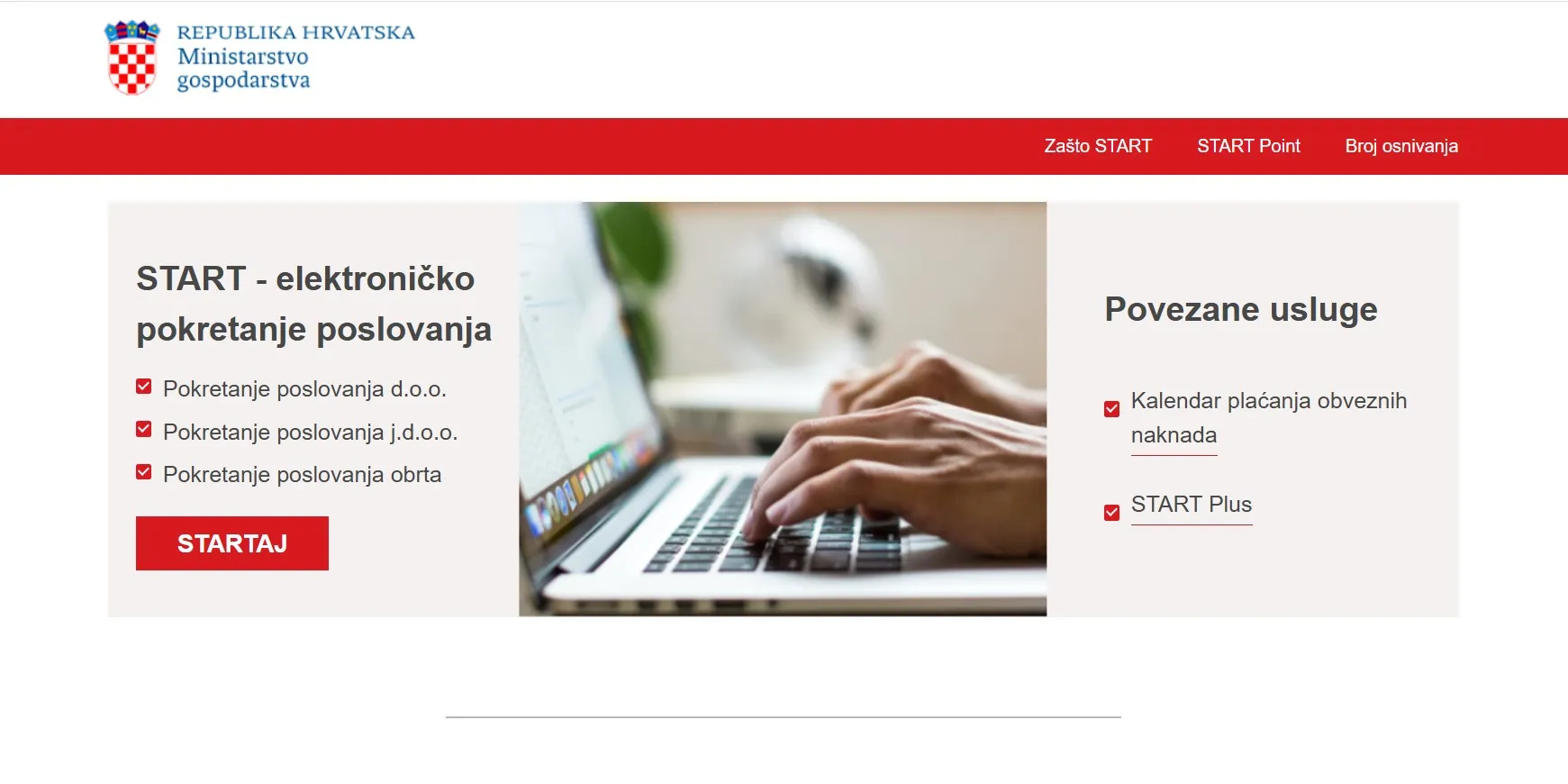
Many foreigners default to opening a d.o.o. (limited liability company) with VAT registration without fully understanding whether they actually need it.
In reality:
- A d.o.o. offers liability protection and flexibility, but comes with higher administrative and accounting obligations.
- A paušalni obrt (flat-rate sole trade) can be more efficient for small-scale, low-risk operations with limited turnover.
However, with a paušalni obrt:
- You and the business are legally the same
- You are personally liable for all obligations
The right structure depends on risk exposure, revenue expectations, and long-term plans, not on what “most people do,” which is where many common mistakes foreigners make when starting a company in Croatia begin.
Going Into Business Without Clear Agreements
Many problems appear only after the company is already operating, when fixing them becomes difficult and costly.
Typical issues include:
- Undefined roles and decision-making authority
- No clear ownership or exit rules
- Assuming trust can replace written agreements
A 50/50 partnership without defined responsibilities or exit mechanisms is one of the most frequent common mistakes foreigners make when starting a company in Croatia. Difficult conversations are uncomfortable, but having them early prevents far bigger disputes later.
Structuring Joint Investments Incorrectly
If you plan to buy land, develop property, or invest jointly with friends, partners, or family, a d.o.o. is usually the cleanest structure.
It allows:
- Clear ownership records
- Defined responsibilities
- Easier transfer or exit later
This becomes especially important when foreigners invest together, foreigners invest with Croatian citizens, or assets are held long-term. Tax and legal consequences vary significantly depending on structure, and improvisation is one of the most overlooked common mistakes foreigners make when starting a company in Croatia.
Learn more: How to Start an LLC in Croatia: d.o.o. vs. j.d.o.o.
Misunderstanding Croatia’s Tax System
Croatia’s tax system is often labeled “high tax,” but this is not universally true.
In practice:
- Businesses with few or no employees can operate efficiently
- A d.o.o. can deduct legitimate business expenses
- Up to 50% of rent may be deductible if the space is also used for work
The system rewards correct structuring and punishes assumptions, a pattern behind many common mistakes foreigners make when starting a company in Croatia.
Underestimating the Importance of a Good Accountant
Not all accountants provide the same level of guidance.
A good accountant will:
- Explain what is deductible and what is not
- Flag risks before they become penalties
- Help optimize within the law
A poor accountant may miss deadlines, react only after problems arise, or expose you to unnecessary fines. Even small administrative errors can lead to penalties, making this one of the most preventable common mistakes foreigners make when starting a company in Croatia.
Partnerships and Funding: Practical Realities
Common mistakes foreigners make when starting a company in Croatia often surface here
Foreign founders frequently partner with Croatians, but protections are not always equal in practice.
Key realities:
- Informal arrangements fail under pressure
- Miscommunication leads to disputes
- Ownership alone does not guarantee control
As highlighted by Prof. Sime Jozipović through real cases, many disputes stem from lack of structure rather than bad faith, a recurring theme in common mistakes foreigners make when starting a company in Croatia.
Funding and Business Growth in Croatia
Early-stage funding options exist, including HZZ employment incentives, EU and national grant programs, and local initiatives such as Digitalna Dalmacija.
Private investment is available, but the market is smaller and more cautious than in Western Europe. Sector experience matters more than hype, and unclear agreements are another contributor to common mistakes foreigners make when starting a company in Croatia.
Legal Boundaries and Peace of Mind
Tax evasion in Croatia can be treated as either a misdemeanor or a serious criminal offense. The risk is never worth it.
Early investment in proper legal and financial advice provides clarity, compliance, and peace of mind — especially when decisions affect ownership, taxes, or liability.
Final Takeaway
Most business problems in Croatia are not caused by bad laws; they result from common mistakes foreigners make when starting a company in Croatia early on.
Clear structure, professional advice, and realistic planning from day one are what separate businesses that operate smoothly from those that constantly react to problems.etween a business that runs smoothly and one that constantly reacts to problems.
Your Legal Partner for Doing Business in Croatia
While it’s technically possible to register a company in Croatia without full legal support, in practice, professional guidance saves time, money, and costly delays, especially if you don’t speak Croatian or aren’t familiar with the local system. Here’s why many founders choose to work with us:
- Language & paperwork risk: Most procedures and official communication are conducted in Croatian. Small misunderstandings often lead to rejected filings or repeat submissions.
- No “copy-paste” setup: Croatian company law, banking requirements, and compliance rules differ significantly from those in the US, UK, or other EU countries. We help you choose the right structure from day one.
- Get it right the first time: Fixing setup mistakes later is often far more expensive than proper planning—wrong company type, ownership structure, activity codes, or documentation can all create issues.
- Risk prevention, not just filing: Our lawyers anticipate potential problems in advance, particularly for foreign ownership, regulated activities, residence-linked businesses, or cross-border structures.
- Ongoing compliance alignment: We coordinate legal and accounting matters to keep your company compliant after registration, including tax, reporting, and employment obligations.
Get Pricing for Your Croatia Company
At Mandracchio Capital, we support international founders and investors building or expanding businesses in Croatia with clarity and regulatory confidence. With 500+ projects supervised, €500M+ in company value established, and a network of 100+ expert advisors, we coordinate trusted Croatian lawyers and tax professionals to ensure your company is set up correctly so you enter Croatia with precision, not guesswork.