Croatia has emerged as one of Europe’s most attractive retirement destinations, offering a compelling combination of Mediterranean lifestyle, affordable living costs, excellent healthcare, and stunning natural beauty.
Whether you’re drawn to the Adriatic coastline, historic cities, or peaceful countryside, Croatia provides diverse options for retirees seeking quality of life without the premium price tag of Western Europe.
My name is Šime Jozipović, founder and CEO of Mandracchio Capital. I am a Croatian lawyer based in Split, holding an LL.M. in Tax Law from Harvard Law School, with professional experience specializing in international tax planning for expats relocating abroad. Having lived and worked in the United States, I bring a practical understanding of the legal, financial, and relocation challenges Americans face when moving overseas.
For more than 10 years, I have advised foreign individuals on residence permits, tax residency, property transactions, and cross-border financial structuring when moving to Croatia and the European Union.
This comprehensive guide examines the best places to retire in Croatia, analyzing each location’s unique advantages, costs, climate, and lifestyle to help you make an informed decision about your retirement haven.
Quick Comparison: Best places to retire in Croatia
- Coastal (High Cost): Dubrovnik, Split, Zadar, Hvar.
- Central/Affordable: Zagreb (capital), Istria peninsula, and smaller inland towns.
| Location | Monthly Cost | Climate | Healthcare | Lifestyle | Best For |
|---|---|---|---|---|---|
| Istria (Rovinj, Pula) | $1,500-$2,000 | Mild winters, warm summers | Good | Slow-paced, Italian-influenced | Luxury, culture lovers |
| Split | $1,200-$1,800 | Mediterranean, hot summers | Excellent | Vibrant, social | Active retirees |
| Dubrovnik | $1,800-$2,500 | Warm, mild winters | Very good | Upscale, historic | Premium retirement |
| Zadar | $1,100-$1,600 | Mediterranean | Good | Balanced, relaxed | Budget-conscious |
| Makarska | $1,000-$1,400 | Warmest, mild winters | Adequate | Beach, mountains | Affordable coastal |
| Zagreb | $900-$1,500 | Continental, 4 seasons | Excellent | Urban, cultural | City lovers, healthcare needs |
Best places to retire in Croatia: Coastal Destinations
Istria Peninsula: Rovinj, Pula, and Poreč
The Istria Peninsula, Croatia’s northwestern gem, offers perhaps the most refined retirement experience in the country. With its Italian-influenced culture, Venetian architecture, and exceptional cuisine, Istria appeals to retirees seeking a sophisticated Mediterranean lifestyle.
Why Istria Stands Out:
- Climate: Milder winters than southern Croatia (average 5-10°C in January), making it comfortable year-round
- Culture: Strong Italian heritage with bilingual communities, world-class wine regions, and truffle hunting traditions
- Infrastructure: Well-developed amenities, modern healthcare facilities, and good connections to Trieste (Italy) and Ljubljana (Slovenia)
- Lifestyle: Slow-paced living with excellent restaurants, farmers’ markets, and cultural events
Monthly Cost of Living: $1,500-$2,000 (higher than other Croatian destinations but still affordable by Western standards)
Best For: Retirees seeking luxury on a moderate budget, foodies, wine enthusiasts, and those wanting proximity to Italy
Considerations: Higher property prices, particularly in Rovinj; tourist crowds in summer months; can feel quiet in winter
Split: Croatia’s Second City with Mediterranean Soul
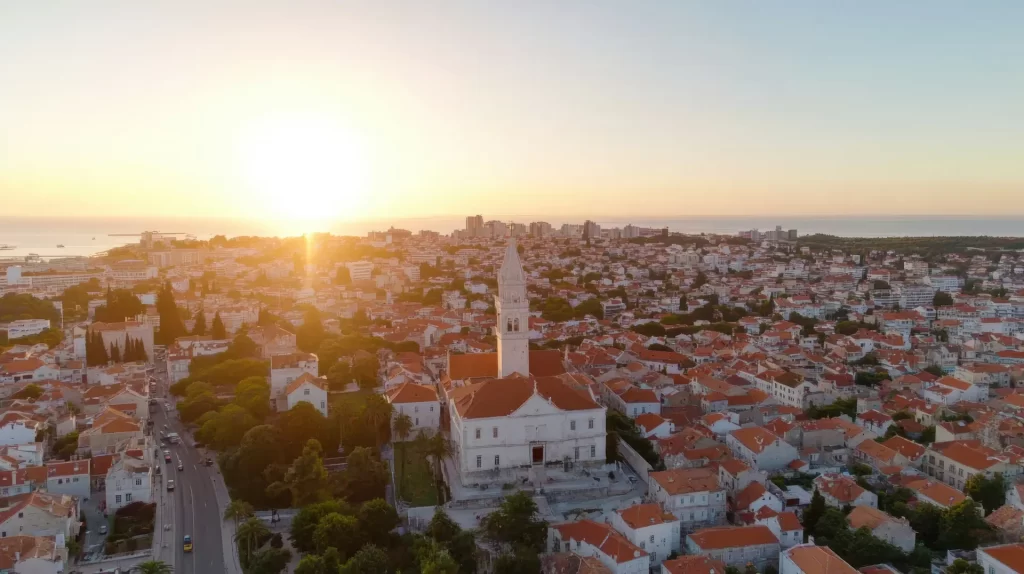
Split combines the best of both worlds: a vibrant city atmosphere with stunning beaches and Mediterranean climate. Home to the UNESCO-listed Diocletian’s Palace, Split offers retirees an active, social retirement lifestyle.
Key Advantages:
- Social life: Large expat community, numerous clubs, restaurants, and cultural events year-round
- Healthcare: Excellent medical facilities including KBC Split, one of Croatia’s best hospitals
- Transportation: International airport, ferry connections to islands, good bus network
- Activities: Marjan Hill for hiking, beaches, sailing, and proximity to islands like Brač and Hvar
Monthly Cost of Living: $1,200-$1,800
Best For: Active retirees who want city amenities, good healthcare access, and social opportunities
Challenges: Can be crowded and noisy in summer; parking difficulties; higher cost than smaller coastal towns
Dubrovnik: The Pearl of the Adriatic
Dubrovnik represents the premium end of Croatian retirement. This UNESCO World Heritage city offers unparalleled beauty, history, and quality of life, though at a higher price point.
What Makes Dubrovnik Special:
- Prestige: Living in one of the world’s most beautiful cities with stunning Old Town architecture
- Services: High-quality restaurants, shops, and healthcare facilities catering to international residents
- Climate: Warmest Croatian city with mild winters (average 10°C in January)
- Culture: Year-round cultural events, theaters, and festivals
Monthly Cost of Living: $1,800-$2,500 (highest in Croatia)
Best For: Retirees with higher budgets seeking luxury, history enthusiasts, and those wanting a prestigious retirement address
Drawbacks: Extremely crowded with cruise ship tourists in summer; expensive property and rentals; limited parking; hot summers (can exceed 38°C)
Zadar: The Balanced Choice
Zadar offers an excellent middle ground between Split’s vibrancy and smaller towns’ tranquility. This ancient Roman city combines history, modern amenities, and affordability.
Highlights:
- Attractions: Famous Sea Organ and Sun Salutation, Roman Forum, medieval churches
- Location: Gateway to stunning national parks (Plitvice Lakes, Krka, Paklenica)
- Lifestyle: More relaxed than Split but with adequate amenities and social opportunities
- Value: Better cost-to-benefit ratio than Split or Dubrovnik
Monthly Cost of Living: $1,100-$1,600
Best For: Budget-conscious retirees who still want coastal living with good services and proximity to nature
Considerations: Smaller expat community than Split; fewer international flight connections; limited nightlife
Makarska Riviera: Affordable Beach Paradise
The Makarska Riviera, stretching between Split and Dubrovnik, offers some of Croatia’s most beautiful beaches backed by the dramatic Biokovo mountain range.
Advantages:
- Affordability: Most affordable coastal option with beautiful beaches
- Climate: Protected by mountains, enjoys warmer and milder winters than northern coast
- Nature: Stunning scenery with mountains meeting the sea, ideal for hiking and swimming
- Tranquility: Smaller towns like Baška Voda and Brela offer peaceful retirement
Monthly Cost of Living: $1,000-$1,400
Best For: Beach lovers on a budget, nature enthusiasts, those seeking a quiet retirement
Limitations: Limited healthcare facilities (need to travel to Split for specialists); very quiet in off-season; fewer expat communities; limited cultural activities
Best cities to retire in Croatia: Inland Option
Zagreb – Croatia’s Capital for Urban Retirees

Zagreb offers a completely different retirement experience focused on urban amenities, cultural richness, and excellent healthcare rather than beaches and Mediterranean lifestyle.
Why Choose Zagreb:
- Healthcare: Best medical facilities in Croatia including KBC Zagreb, numerous specialists, and modern clinics
- Culture: Museums, theaters, concerts, universities, and year-round events
- Affordability: Lower cost of living than coastal cities despite being the capital
- Infrastructure: Excellent public transport, international airport, modern amenities
- Climate: Continental four-season climate (cold winters, warm summers) – appealing if you miss seasons
Monthly Cost of Living: $900-$1,500
Best For: Retirees who prefer city life, need specialized medical care, enjoy cultural activities, or want to experience European winters
Considerations: No beach access (though lakes nearby); cold winters with occasional snow; more urban stress than coastal towns
Essential Considerations for Where to retire in Croatia
Cost of Retiring in Croatia Breakdown
Croatia offers excellent value compared to Western Europe, though costs vary significantly by location.
Average Monthly Budget for Comfortable Retirement:
- Housing: $400-$800 (rental) or mortgage-free if purchasing
- Food: $300-$500 (markets are inexpensive, dining out moderate)
- Healthcare: $50-$150 (supplemental insurance and medications)
- Utilities: $100-$200 (electricity, water, internet, phone)
- Transportation: $50-$150 (excellent public transport, gas if owning car)
- Entertainment: $200-$400 (dining, activities, travel)
Total Range: $900-$2,000+ depending on location and lifestyle
Read more: Cost of Retiring in Croatia
Healthcare System
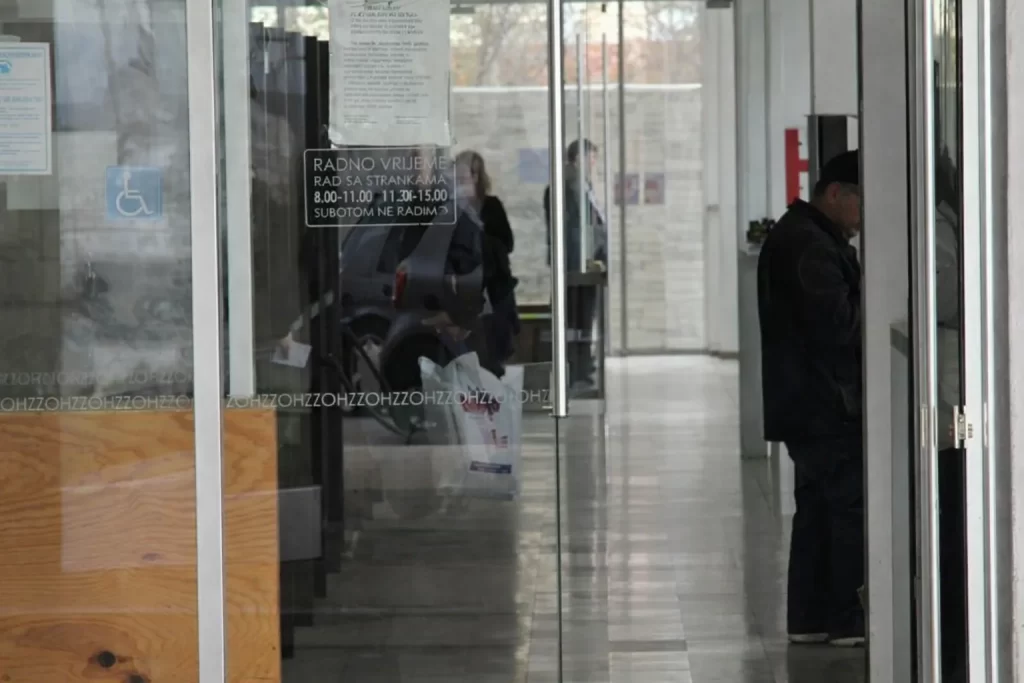
Croatia’s healthcare system is one of the country’s major advantages for retirees.
Public Healthcare:
- EU residents can use their European Health Insurance Card (EHIC)
- Non-EU retirees must obtain private insurance initially ($100-$200/month)
- After gaining residency, access to public system becomes available (HZZO)
- High standard of care, modern facilities in major cities
Private Healthcare:
- Affordable private clinics and specialists ($40-$80 per consultation)
- No long waiting times for procedures
- Many doctors speak English, especially in tourist areas
Best Cities for Healthcare: Zagreb (top-tier facilities), Split (excellent hospital), Rijeka (strong medical reputation), Osijek (good regional care)
Read more: Healthcare options for retiree in Croatia
Visa and Residency Requirements
Croatia’s visa options for retirees have improved significantly since joining the Eurozone.
If you are a non-EU retiree, read this guide: Croatia Retirement Visa (2026 Guide): Legal Requirements, Income Rules & PR
Climate Considerations
Understanding Croatia’s climate zones is essential for choosing your ideal location.
Mediterranean Coast (Istria, Dalmatia):
- Mild winters: 5-12°C average, rarely freezing
- Hot summers: 28-35°C, can reach 38°C+ in Dubrovnik
- Sunshine: 2,600+ hours annually
- Rainfall: Autumn and winter, dry summers
Continental Interior (Zagreb):
- Cold winters: -5 to 5°C, snow common
- Warm summers: 25-30°C
- Four distinct seasons
- More rainfall throughout the year
Seasonal Considerations:
- Summer (June-August): Peak tourism, crowded beaches, hot temperatures, high energy
- Shoulder (May, September-October): Ideal weather, fewer tourists, pleasant temperatures
- Winter (November-March): Very quiet in coastal towns, many restaurants close, mild but can feel damp, excellent for nature walks
Safety and Expat Community
Safety: Croatia ranks as one of Europe’s safest countries with very low crime rates. Violent crime is rare, and most safety concerns involve petty theft in tourist areas.
Expat Communities:
- Largest communities: Split, Istria, Zagreb, Dubrovnik
- Active groups: Facebook groups for expats, meetup events, international clubs
- English proficiency: High in tourist areas and among younger generations; older locals typically speak Croatian only
- Integration: Croatians are generally welcoming but initially reserved; patience and basic Croatian phrases help
Language Barrier: Croatian is challenging to learn, but survival is possible with English in urban/tourist areas. Learning basics significantly improves daily life and integration.
Pros and Cons of Retiring in Croatia
Advantages
- Stunning natural beauty: From Adriatic coastline to national parks, Croatia offers breathtaking scenery
- Affordable living: 40-60% cheaper than Western Europe while maintaining good quality of life
- Excellent healthcare: Modern facilities, well-trained doctors, affordable costs
- Safety: Very low crime rates, safe for walking at night, stable political environment
- Mediterranean climate: Warm, sunny weather ideal for outdoor lifestyle
- Rich culture and history: UNESCO sites, ancient architecture, vibrant traditions
- Tax advantages: Favorable treatment of foreign pensions, tax treaties preventing double taxation
- EU member: Access to European services, travel freedom within Schengen zone
- Delicious cuisine: Fresh Mediterranean food, excellent wine, truffle regions, olive oil
Challenges
- Bureaucratic complexity: Croatian administration can be slow and paperwork-heavy; patience required
- Language barrier: Croatian is difficult to learn; outside tourist areas, English is limited
- Seasonal tourism: Coastal towns become extremely crowded in summer, uncomfortably quiet in winter
- Off-season closures: Many coastal restaurants and services close November-March
- Hot summers: Temperatures can exceed 38°C, particularly in Dubrovnik and southern Dalmatia
- Limited public transport: Outside major cities, car ownership often necessary
- Infrastructure gaps: Some rural areas lack modern amenities; internet can be spotty outside cities
- Adjustment period: Cultural differences, slower pace, different business practices require adaptation
- Distance from family: For US/UK retirees, visiting family requires long flights
How to Choose Your Ideal Croatian Retirement Location
Use this decision framework to narrow down your options:
By Budget
- Under $1,200/month: Zagreb, Makarska, smaller inland towns
- $1,200-$1,800/month: Split, Zadar, Istrian smaller towns
- $1,800+/month: Dubrovnik, Rovinj, luxury Istrian properties
By Lifestyle Preference
- Beach and Mediterranean lifestyle: Split, Makarska, Dubrovnik, Istria coast
- Urban amenities and culture: Zagreb, Split, Rijeka
- Quiet countryside: Istrian interior, Zagorje region, Slavonia
- Active social life: Split (largest expat community), Zagreb (cultural events)
- Slow-paced luxury: Istria Peninsula (Rovinj, Bale, Motovun)
By Healthcare Needs
- Require specialized care: Zagreb (best facilities), Split (comprehensive hospital)
- Standard healthcare needs: Any major city works well
- Minimal healthcare needs: Smaller towns acceptable with car access to cities
By Climate Tolerance
- Prefer mild year-round: Istria (mildest winters), southern Dalmatia
- Enjoy four seasons: Zagreb, Osijek, inland regions
- Heat-sensitive: Avoid Dubrovnik and southern coast in summer; consider Istria or Zagreb
- Cold-averse: Avoid Zagreb winters; stick to coastal regions
By Social Needs
- Need expat community: Split (largest), Istria (growing), Zagreb (diverse)
- Prefer solitude: Smaller coastal towns, inland villages
- Want international environment: Dubrovnik, Rovinj, Split
Practical Next Steps for Your Croatian Retirement
Before You Commit
- Visit first: Spend at least 2-3 months in your target location, ideally in off-season (November-March) to experience the quiet period
- Best timing for exploratory trips: September-October (good weather, fewer tourists) or April-May (spring beauty, moderate temperatures)
- Rent before buying: Rent for 6-12 months before purchasing property to ensure the location suits you
- Test multiple locations: Spend weeks in different regions to compare coastal vs. inland, large city vs. small town
Professional Assistance
- Relocation experts: Companies specializing in Croatian retirement can handle bureaucracy
- Tax advisors: Consult with professionals familiar with both your home country and Croatian tax law
- Real estate agents: Work with English-speaking agents experienced in expat sales
- Legal support: Croatian lawyer for property purchases and residency applications
Financial Planning
- Understand currency exchange: Croatia uses euros (since 2023); consider impact of exchange rates on your income
- Bank accounts: Open Croatian bank account for easier bill payments and transactions
- Pension arrangements: Ensure your pension can be transferred or withdrawn internationally
- Healthcare costs: Budget for private insurance until public system access achieved
- Emergency fund: Maintain 6-12 months expenses for unexpected costs or residency issues
Essential Preparations
- Learn basic Croatian: Even 50-100 phrases dramatically improve daily life
- Driver’s license: International license initially; exchange for Croatian license within 6 months
- Medical records: Translate essential health documents to English/Croatian
- Apostilled documents: Birth certificate, marriage certificate, diplomas may need apostille stamps
- Pet requirements: If bringing pets, research import requirements (EU Pet Passport, microchip, rabies vaccination)
Frequently Asked Questions
Where do most expats live in Croatia?
Most expats in Croatia live in Split, Zagreb, and the Istria region. Split is popular for its coastal lifestyle and digital nomad community, while Zagreb offers better infrastructure and services. Istria attracts retirees and expats seeking a slower, more refined lifestyle.
What is the safest place to live in Croatia?
Croatia is one of the safest countries in Europe, and most cities are very safe to live in. Zagreb, Split, and Zadar all offer a high level of safety, with most issues limited to minor theft in tourist areas during peak season.
What is the cheapest place to live in Croatia?
The cheapest places to live in Croatia are usually inland cities and smaller towns. Areas like Osijek and Slavonia offer much lower rent and living costs compared to coastal cities such as Split or Dubrovnik.
Is Croatia better for expats than Spain or Portugal?
Croatia can be a better option for expats looking for lower costs and a quieter lifestyle. While Spain and Portugal have more established expat systems, Croatia offers a less crowded environment and growing opportunities for remote workers.
Can you live in Croatia without speaking Croatian?
Yes, it is possible to live in Croatia without speaking Croatian, especially in major cities and coastal areas. English is widely spoken, although learning basic Croatian can make daily life and integration much easier.
Is Croatia good for families with children?
Croatia is a good option for families due to its safety, healthcare access, and balanced lifestyle. Cities like Zagreb and Split are especially suitable because they offer better schools, infrastructure, and services.
What is the best coastal city to live in Croatia?
Split is often considered the best coastal city to live in Croatia because it combines lifestyle, infrastructure, and a strong expat community. Other options like Zadar and Istria offer quieter environments with lower costs.
Is Croatia a good place to retire in Europe?
Croatia is a strong retirement destination due to its lower cost of living, safety, and Mediterranean climate. Many retirees choose coastal areas or Istria for lifestyle, while Zagreb is preferred for healthcare access.
What are the best places to retire in Croatia?
The best places to retire in Croatia include coastal cities such as Split, Zadar, and Dubrovnik, which offer a Mediterranean lifestyle and access to the sea. Many retirees also choose Zagreb for its healthcare and infrastructure, or the Istria region for a quieter environment with strong cultural appeal and good quality of life.
Conclusion
Croatia offers diverse, attractive retirement options for every budget, lifestyle preference, and climate tolerance. Whether you’re drawn to the sophisticated Italian-influenced culture of Istria, the vibrant Mediterranean lifestyle of Split, the prestigious beauty of Dubrovnik, the balanced affordability of Zadar, or the urban cultural richness of Zagreb, Croatia provides high-quality retirement destinations at costs 40-60% below Western Europe.
The country’s combination of excellent healthcare, beautiful natural environment, safe communities, and favorable visa options makes it increasingly popular among international retirees. While challenges like bureaucracy, language barriers, and seasonal tourism exist, most expat retirees find the benefits far outweigh the drawbacks.
Key recommendations for your ideal Croatian retirement:
- For luxury on moderate budget: Istria Peninsula (Rovinj, Bale)
- For active, social retirement: Split
- For premium, prestigious living: Dubrovnik
- For best value coastal: Zadar or Makarska
- For urban culture and top healthcare: Zagreb
- For peaceful nature-focused retirement: Smaller Istrian towns or Makarska Riviera
The most successful approach is to visit Croatia for an extended exploratory trip, ideally in shoulder or off-season to experience the quieter reality. Spend time in multiple locations, connect with expat communities, and rent before committing to property purchase. With proper preparation, realistic expectations, and willingness to adapt to a new culture, Croatia can provide an exceptional retirement experience combining Mediterranean lifestyle, European sophistication, and affordable living costs.
Start your Croatian retirement journey today by researching visa requirements, joining expat forums, and planning your exploratory visit. The Adriatic paradise awaits!
About Mandracchio Capital
Many people researching retirement in Croatia eventually reach the same practical questions: Can I afford this? How does financing work without EU income? What happens to my pension?
Mandracchio Capital is a Croatia-based legal advisory and structuring firm that works with foreign nationals considering relocation to Croatia. Our work focuses on the practical issues broader guides often do not fully explain, including residency pathways, property structuring, pension transfers, AML documentation, and real estate risk review in Split and Dalmatia.
For readers who want to move beyond general research, we provide structured consultations to help assess financial feasibility, legal options, and next-step planning.