Last updated: February 2026. This guide reflects current legislation and administrative practice as of 2026.
If you are buying property in Croatia, one of the first taxes you need to understand is the real estate transfer tax.
The real estate transfer tax Croatia is 3% of the property’s market value when VAT is not applicable.
It is generally paid by the buyer and applies mainly to resale properties (i.e. transactions not subject to VAT).
This guide explains:
- The Croatia property transfer tax 2025 rate
- What changes (if any) apply under the property transfer tax Croatia 2025 rate
- Key 2026 updates (Croatia property transfer tax 2026 rate)
- VAT vs transfer tax differences
- How the tax base is determined
- Rules for foreigners
- Capital gains and related taxes
- Common mistakes buyers make
Whether you are an investor, expat, or local buyer, this article gives you a structured, practical overview of how the system works.

What Is Real Estate Transfer Tax in Croatia?
Real estate transfer tax (RETT) is a tax payable upon acquisition of real estate in Croatia when the transaction is not subject to VAT (PDV). The real estate transfer tax is regulated under the Croatian Real Estate Transfer Tax Act (Zakon o porezu na promet nekretnina).
It applies to:
- Land (construction and agricultural)
- Residential properties
- Commercial properties
- Apartments, houses, office units
- Certain transfers of ownership rights
The taxpayer is generally:
The person acquiring the property (the buyer).
The tax obligation arises at the moment ownership is transferred.
Croatia Property Transfer Tax 2025 Rate
The Croatia property transfer tax 2025 rate is 3% of the property’s market value at the time of acquisition.
This rate has remained stable since the 2019 amendments (previously 5%).
Key characteristics:
- Flat rate: 3%
- Based on market value, not necessarily the contract price
- Paid by the buyer
- Applies when VAT is not payable
Example:
If you purchase a resale apartment for €300,000:
3% × €300,000 = €9,000 transfer tax
Property Transfer Tax Croatia 2025 Rate (Detailed Breakdown)
clarify further, the property transfer tax Croatia 2025 rate remains
3% of the market value of the real estate at acquisition.
However, there are two critical clarifications buyers must understand:
Market Value vs Contract Price
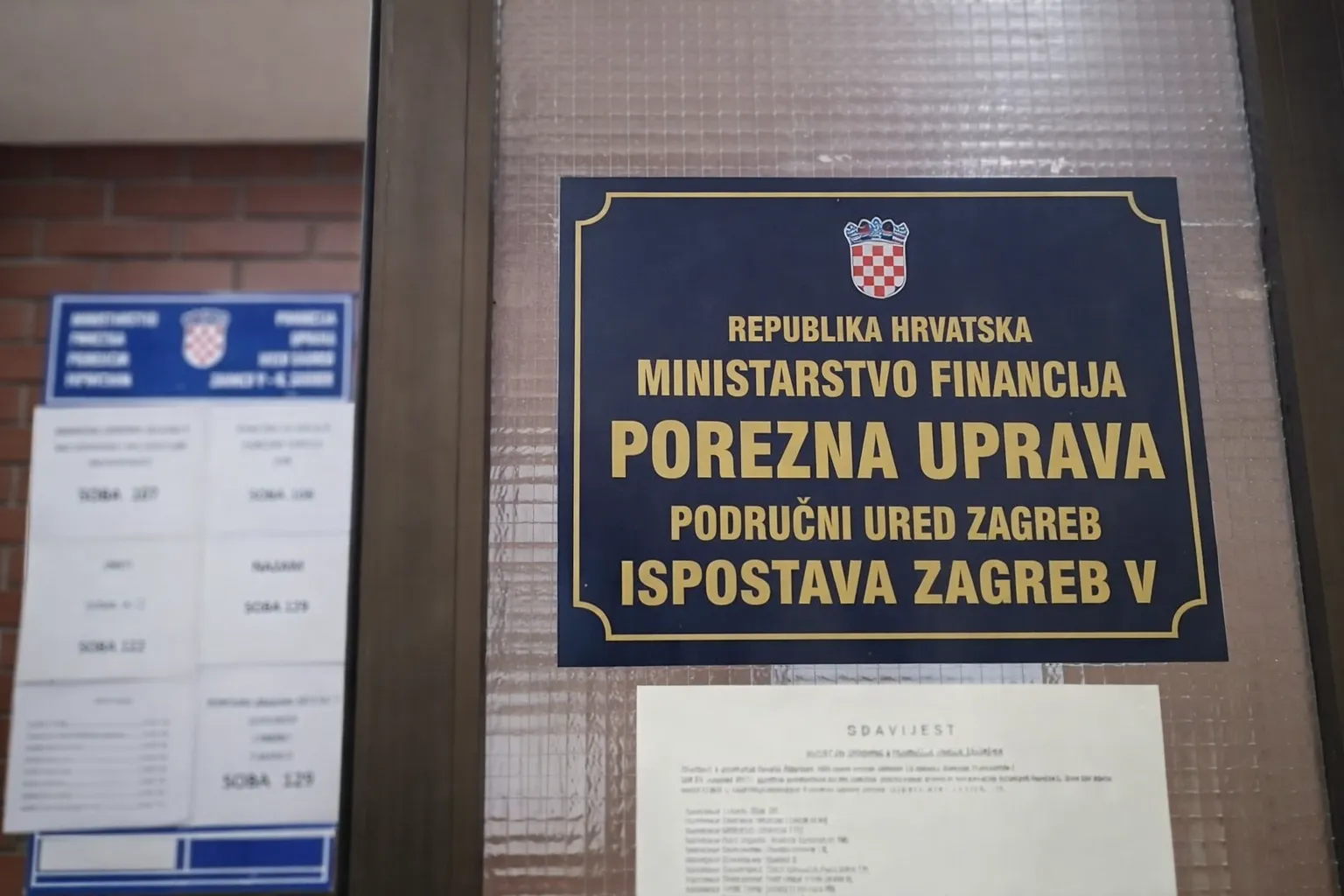
According to guidance published by the Croatian Tax Administration (Porezna uprava), the tax base is the market value at the time the tax liability arises, and the authority may independently assess that value if it differs from the contract price.
If they determine that the contract price is below market value, they can calculate tax on a higher amount.
VAT Transactions Are Excluded
If VAT applies, the 3% transfer tax is not payable.
This is one of the most common misunderstandings among foreign buyers.
Example 1 – New Build
You buy a newly constructed apartment directly from a developer for €300,000.
- VAT (usually included in price)
- No 3% transfer tax
Example 2 – Resale Property
You buy a second-hand apartment for €300,000.
- No VAT
- 3% transfer tax = €9,000
Understanding this difference is fundamental when budgeting total acquisition costs.
Real Estate Transfer Tax Croatia 2026 update
What is the Croatia property transfer tax 2026 rate?
The Croatia property transfer tax 2026 rate is 3% of the market value of the property when VAT does not apply.
There has been no rate increase or structural reform in 2026. The flat rate introduced in 2019 remains in force.
Key points for 2026:
- Rate: 3%
- Tax base: Market value (not necessarily contract price)
- Taxpayer: Buyer
- Applies when: VAT is not charged
- Unchanged from 2025
The Croatia property transfer tax 2026 rate is 3%. The rate remains unchanged from 2025.
2026 Update #2 – Increased Valuation Scrutiny
While the rate has not changed, tax authorities have increased scrutiny regarding:
- Underpriced contracts
- Rapid resale patterns
- Artificial structuring to reduce tax base
This means buyers should ensure:
- Realistic valuation
- Transparent contracts
- Proper documentation
In practice, reassessments most commonly occur when the declared purchase price significantly deviates from comparable transactions in the same municipality.
Croatia Real Estate Transfer Tax Payment Deadline
When is the real estate transfer tax payable in Croatia?
The Croatia real estate transfer tax payment deadline is determined after the Tax Administration issues an official tax assessment decision.
How the process works:
- Sale contract is submitted to the Tax Administration.
- The authority determines the market value.
- A formal tax decision is issued.
- The payment deadline is stated in that decision.
Typical payment timing:
- The deadline is generally 15 days from receipt of the tax decision.
- The tax obligation arises upon transfer of ownership.
Important notes:
- Payment is not made automatically upon signing.
- You must wait for the official tax assessment.
- Late payment may trigger interest and enforcement measures.
Snippet-ready answer:
The Croatia real estate transfer tax payment deadline is typically 15 days after the Tax Administration issues the official tax decision.
How Is Real Estate Transfer Tax Croatia Calculated?
The tax base is:
The market value of the real estate at the time the tax liability arises.
The process:
- Sale contract signed.
- Contract submitted to Tax Administration.
- Tax authority evaluates market value.
- Official tax decision issued.
- Payment deadline provided.
If the authority believes the market value exceeds the contract price, it may adjust the tax base.
Who Is Exempt from Real Estate Transfer Tax Croatia?
Exemptions include:
- Inheritance in direct line (parents → children)
- Gifts between spouses
- Gifts between direct ancestors and descendants
- Certain social or restitution cases
- Property transfers in divorce settlements (in specific cases)
Each exemption has strict legal criteria.
Real Estate Transfer Tax Croatia for Foreigners
Foreign buyers frequently ask:
Do foreigners pay property transfer tax in Croatia?
Yes.
Foreigners pay the same 3% rate when VAT does not apply.
For a detailed explanation of VAT treatment, see our analysis of the Croatian VAT framework: Croatia VAT Rate (2026): Registration, Reduced Rates & Foreign Business Rules
EU Citizens
- Generally treated the same as Croatian nationals
- No additional tax rate
Non-EU Citizens
- Subject to reciprocity principle
- May require Ministry approval
- Same tax rate (3%)
If you want a broader overview of the tax environment, see our guide to the Croatia tax system and detailed explanation of tax in Croatia for foreigners to understand how property tax fits into the wider framework.
Other Property-Related Taxes in Croatia
Real estate transfer tax is not the only tax to consider.
Capital Gains Tax
If you sell property within 2 years of acquisition:
- Croatia capital gains tax is at the personal income tax rate of 24% (plus surtax where applicable).
Exceptions apply if:
- Property was used as primary residence
- Held longer than 2 years
Taxation rules align with EU principles on property income taxation.
Holiday Home Tax
Properties used occasionally or seasonally may be subject to a municipal tax.
Range typically:
€0.66 – €1.99 per m² annually
(depending on municipality)
Ongoing Property Taxation
Croatia does not currently have a classic annual real estate ownership tax like many Western countries, but discussions periodically arise.
For more context, see our article on Croatia property tax to understand long-term holding costs.
Cost Example (Full Breakdown)
Scenario: Resale Apartment in Split
Purchase price: €350,000
| Cost Item | Amount |
|---|---|
| Transfer tax (3%) | €10,500 |
| Notary & registration | ~€1,500 |
| Legal advisory | ~€2,000 |
| Total additional costs | ~€14,000 |
Scenario: New Build Apartment
Purchase price: €350,000 (VAT included)
| Cost Item | Amount |
|---|---|
| VAT | Included |
| Transfer tax | €0 |
| Other costs | Similar |
Understanding whether VAT applies significantly changes your total acquisition cost.
Common Mistakes Buyers Make
1. Assuming tax is based strictly on contract price
Market value may be reassessed.
2. Confusing VAT and transfer tax
They are mutually exclusive in most cases.
3. Not budgeting transfer tax in resale purchases
3% can represent a substantial amount in high-value properties.
4. Ignoring capital gains implications
Short-term resale can trigger 24% taxation.
5. Improper transaction structuring
Certain acquisitions may benefit from corporate structuring or VAT planning.
Strategic Considerations for Investors
For investors, the key question is not only:
“What is the rate?”
But also:
“How is the acquisition structured?”
Depending on whether you purchase:
- As an individual
- Through a Croatian company
- Through an EU holding entity
Tax implications may vary.
Understanding the broader Croatia tax system is essential before committing capital.
FAQ – Real Estate Transfer Tax Croatia
What is the real estate transfer tax rate in Croatia?
The rate is 3% of the market value of the property when VAT does not apply.
Do foreigners pay the same rate?
Yes. Foreigners pay the same 3% rate.
Is transfer tax paid if VAT applies?
No. If VAT is charged on the transaction, transfer tax is not payable.
How long do I have to pay the tax?
After the Tax Administration issues its decision, a payment deadline is specified.
Is the tax based on the contract price?
Not necessarily. It is based on market value, which may differ from the contract price.
Final Summary
To summarise:
- The Croatia property transfer tax 2025 rate is 3%.
- The property transfer tax Croatia 2025 rate remains unchanged.
- In 2026, the rate remains 3%, with stricter valuation scrutiny.
- VAT transactions are excluded from the 3% tax.
- Foreigners are taxed at the same rate as locals.
- Capital gains and municipal taxes may also apply.
When purchasing property in Croatia, clarity around tax structure is critical. While the rate itself appears simple, the interaction between VAT, market valuation, exemptions, and capital gains can significantly impact your total exposure.
Proper planning before signing the contract is always more efficient and less costly than correcting issues after acquisition.
This article is for informational purposes only and does not constitute tax or legal advice. Specific transactions may require individualized analysis.