When people research retirement abroad, the cost to retire in Croatia is usually the deciding factor, before lifestyle or scenery. The reality is that Croatia remains affordable by European standards, but where you live has a major impact on your monthly budget.
Below is a cost-first guide to retiring in Croatia: first the overall numbers, then a breakdown of the best places to retire in Croatia based on what retirees actually spend.
Key Takeaways
- Yes, it’s possible to retire in Croatia on $1,500/month for two people, but only with careful budgeting.
- This budget works best outside major tourist centers and with long-term rentals.
- A local, modest lifestyle is essential; expat-style living requires a higher budget.
- Costs rise quickly with central locations, dining out often, or seasonal housing.

Can You Retire in Croatia on $1,500 per Month?
The short answer is: yes, it is possible, but only under specific conditions. Retiring in Croatia on $1,500 per month for 2 people requires disciplined choices around housing, location, and lifestyle. It is not a universal or guaranteed outcome, and it does not reflect how most retirees ultimately live, but it can be realistic for some.
What a $1,500 Retirement Budget in Croatia Looks Like
A $1,500 monthly budget generally aligns with a lean but comfortable local lifestyle, not an international or tourist-oriented one. At this level, spending closely resembles the lower-budget example outlined earlier.
Typical conditions include:
- Long-term rental (not Airbnb or short-term stays)
- Non-central or non-tourist neighborhood
- Cooking at home most days
- Limited but intentional dining out
- Walking and public transport instead of owning a car
- Minimal discretionary spending
Under these conditions, a monthly breakdown may look like:
- Housing (long-term rent): ~$600–$1200
- Fixed utilities & municipal expenses: €200 – €250 (water, electricity, heating/AC, garbage collection, internet, mobile phone, basic municipal fees)
- Groceries: ~$300–$350
- Restaurants (limited): ~$150–$200
- Public transport: ~$40–$60
- Health & incidental costs: ~$50–$100
This places core monthly expenses in the $1,300–$1,500 range, leaving a small buffer for modest entertainment or incidental costs.
Healthcare on a $1,500 Retirement Budget in Croatia
Healthcare is often the deciding factor when evaluating whether retiring in Croatia on $1,500 per month is realistic.
At this budget level, retirees typically rely on a hybrid approach: basic public coverage combined with selective private care.
Public Healthcare (HZZO)
Croatia has a universal public healthcare system (HZZO), which permanent or long-term residents can access after registering and paying monthly contributions.
- Monthly contribution (approximate): €80–€100 per person
- Covers essential doctor visits, hospital care, and emergency treatment
- Downsides: long waiting times for specialists and non-urgent procedures
For retirees on a tight budget, public healthcare provides financial predictability, but not speed.
Private Healthcare (Out-of-Pocket)
Many retirees supplement public coverage with private clinics for faster access. Typical costs:
- GP visit: €30–€50
- Specialist consultation: €60–€100
- Basic diagnostics: relatively affordable compared to Western Europe
Retirees on a $1,500 budget usually do not carry full private insurance, but instead pay privately when needed.
Healthcare can fit into a $1,500 monthly budget, It requires:
- No major chronic conditions
- Comfort with public healthcare for serious issues
- Occasional private visits paid out-of-pocket
This budget does not support premium private insurance or frequent specialist care. Retirees with ongoing medical needs should plan for a higher monthly budget.
Hidden Costs to Retire in Croatia (Often Missed in Averages)

When people research the cost to retire in Croatia, most articles focus almost exclusively on monthly living expenses such as rent, groceries, and utilities. While these figures are important, they represent only part of the financial reality.
In practice, retirees in Croatia must also plan for non-monthly, semi-fixed, and annual costs that vary significantly depending on lifestyle choices, residency strategy, health needs, and travel habits. These costs are often overlooked in national averages but can meaningfully impact your overall retirement budget, especially in the first year.
Understanding these hidden costs leads to more accurate planning and fewer surprises after relocation.
1. Healthcare Costs (Flexible, but Not Zero)
Croatia operates a mixed public–private healthcare system, and most foreign retirees rely primarily on private healthcare, particularly during their first years in the country.
While it is possible to access the public system under certain residency conditions, many retirees prefer private care due to:
- Shorter wait times
- Easier access to English-speaking doctors
- Greater flexibility in choosing providers
Typical healthcare costs include:
- Private general practitioner visits: approximately €30-€80 per visit
- Specialist consultations, imaging, and diagnostics: higher than GP visits but still significantly more affordable than in the US, UK, or Canada
- Prescription medications are generally lower in cost, especially for common conditions
Healthcare strategies vary widely:
- Some retirees choose to self-insure, paying out of pocket for routine care
- Others purchase international private health insurance, especially those with chronic conditions or higher risk tolerance
Estimated average healthcare cost:
€100–€300 per month, depending on age, health profile, and insurance choices
Healthcare should be treated as a recurring budget category, not an occasional or emergency-only expense. Even healthy retirees typically incur consistent medical costs over time.
2. Residency & Administrative Costs (Annual or Periodic)
Croatia does not offer a dedicated retirement visa for non-EU citizens. As a result, most non-EU retirees rely on temporary residence permits linked to housing arrangements, property ownership, or other legal grounds.
These permits involve administrative processes that generate recurring costs, including:
- Government residence permit application fees
- Certified translations of official documents
- Notarizations and apostilles
- Optional legal or immigration agent assistance (commonly used for first applications)
Estimated annual administrative cost:
€300-€1,000 per year, depending on application complexity and whether professional assistance is used
Although these costs are not paid monthly, they recur regularly and should be included in annual retirement planning, particularly for non-EU retirees.
3. One-Time Setup Costs (First-Year Only)
First-year relocation expenses are among the most underestimated costs of retiring abroad. While they do not repeat annually, they significantly affect the initial cost to retire in Croatia.
Common one-time setup expenses include:
- Rental security deposit, typically equal to 1–2 months’ rent
- Initial household setup (kitchen items, bedding, small furnishings)
- SIM cards, internet installation, and local service registrations
- Minor apartment upgrades depending on condition and furnishing level
Estimated one-time setup range:
€1,000–€3,000 or more, depending on housing choice and lifestyle expectations
While these costs disappear after the first year, they should be budgeted upfront to avoid financial pressure during the transition period.
4. Travel Buffer (Often Overlooked but Essential)
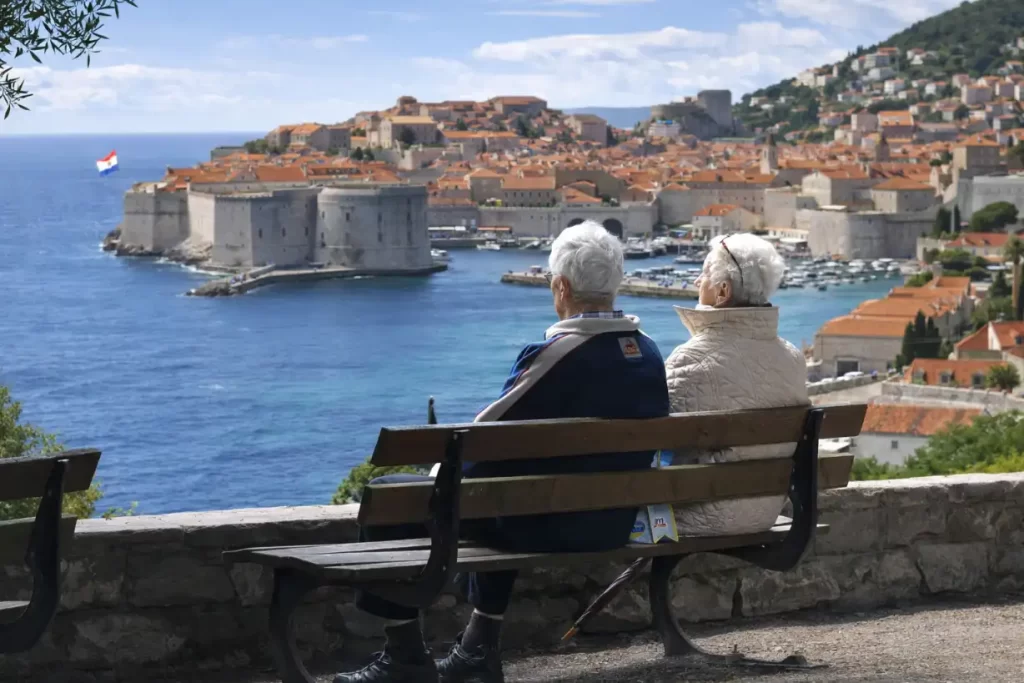
Most international retirees continue to travel regularly, even after settling in Croatia. Travel-related expenses are rarely reflected in cost-of-living tables but represent a real and recurring part of retirement life.
Typical travel-related spending includes:
- Flights to visit family and friends abroad
- Required exits from the Schengen Area, depending on residency status
- Regional travel within Europe for leisure or seasonal breaks
- Short-term accommodation during trips
These expenses vary widely based on distance, frequency, and personal travel preferences.
Estimated travel buffer:
€1,500–€4,000 per year, depending on travel patterns
This is not a luxury category; it reflects the practical realities of maintaining international connections and complying with visa or residency requirements.
Quick Cost Comparison: Best Places to Retire in Croatia
| Location | Lifestyle | Healthcare | Typical Monthly Cost |
|---|---|---|---|
| Istria | Calm, refined | Very good | €1,600-€2,300 |
| Split | Coastal, active | Excellent | $1,450-$2,500 |
| Zagreb | Practical, stable | Best nationwide | €1,400-€2,000 |
To see how lifestyle, climate, healthcare access, and cost differences play out city by city, explore our full guide to the best places to retire in Croatia, covering who each location is best suited for, realistic budgets, and long-term living considerations.
What are the benefits of retirement in Croatia
Lower Cost of Living: Compared with Western Europe and the US, the cost to retire in Croatia is notably lower. Many couples live comfortably on €1,200 – €2,000/month, depending on region and lifestyle.
Mediterranean Climate & Lifestyle: Coastal areas offer mild winters and sunny summers; inland regions bring four seasons. Fresh food, outdoor living, and clean air support healthy aging.
Safety & Stability: Croatia is consistently low-crime and politically stable as an EU and Schengen member.
Healthcare Access: Residents can register for public healthcare; private care is affordable and high quality, often far less expensive than in the US.
FAQ: Cost to Retire in Croatia
How much does it cost to retire in Croatia per month?
Most retirees spend between $1,400 and $2,500 per month, depending on rent location and lifestyle. You can view
What is the cheapest place to retire in Croatia?
Inland cities like Zagreb and smaller towns are typically the most affordable, often 20–40% cheaper than coastal hotspots.
Is healthcare expensive for retirees in Croatia?
No. Both public and private healthcare are affordable, and private care costs far less than in the US or Western Europe.
Does the cost to retire in Croatia vary by season?
Yes. Coastal areas can be more expensive in summer, especially for short-term rentals. Long-term leases reduce seasonal price swings
What sort of extended stay visa is available to foreign retirees in Croatia?
Foreign retirees from non-EU countries can apply for a Temporary Residence Permit in Croatia, which allows them to live in the country long-term beyond the 90-day visa-free period. This permit is typically issued for one year at a time and can be renewed annually. After five consecutive years of approved temporary residence, retirees may apply for permanent residence, provided they continue to meet the requirements.
What are the financial requirements for retiring in Croatia?
To qualify for temporary residence, retirees must show proof of sufficient financial means to support themselves without working in Croatia. In practice, this usually means demonstrating stable income from a pension, savings, or investment income.
As a general guideline, authorities expect retirees to show funds roughly aligned with the cost to retire in Croatia, often in the range of €1,200-€1,500 per month per person, though this can vary by year and by local police office. Additional proof may be required if dependents are included.
This requirement is designed to ensure retirees can comfortably cover housing, healthcare, and daily living costs without relying on the Croatian social system.